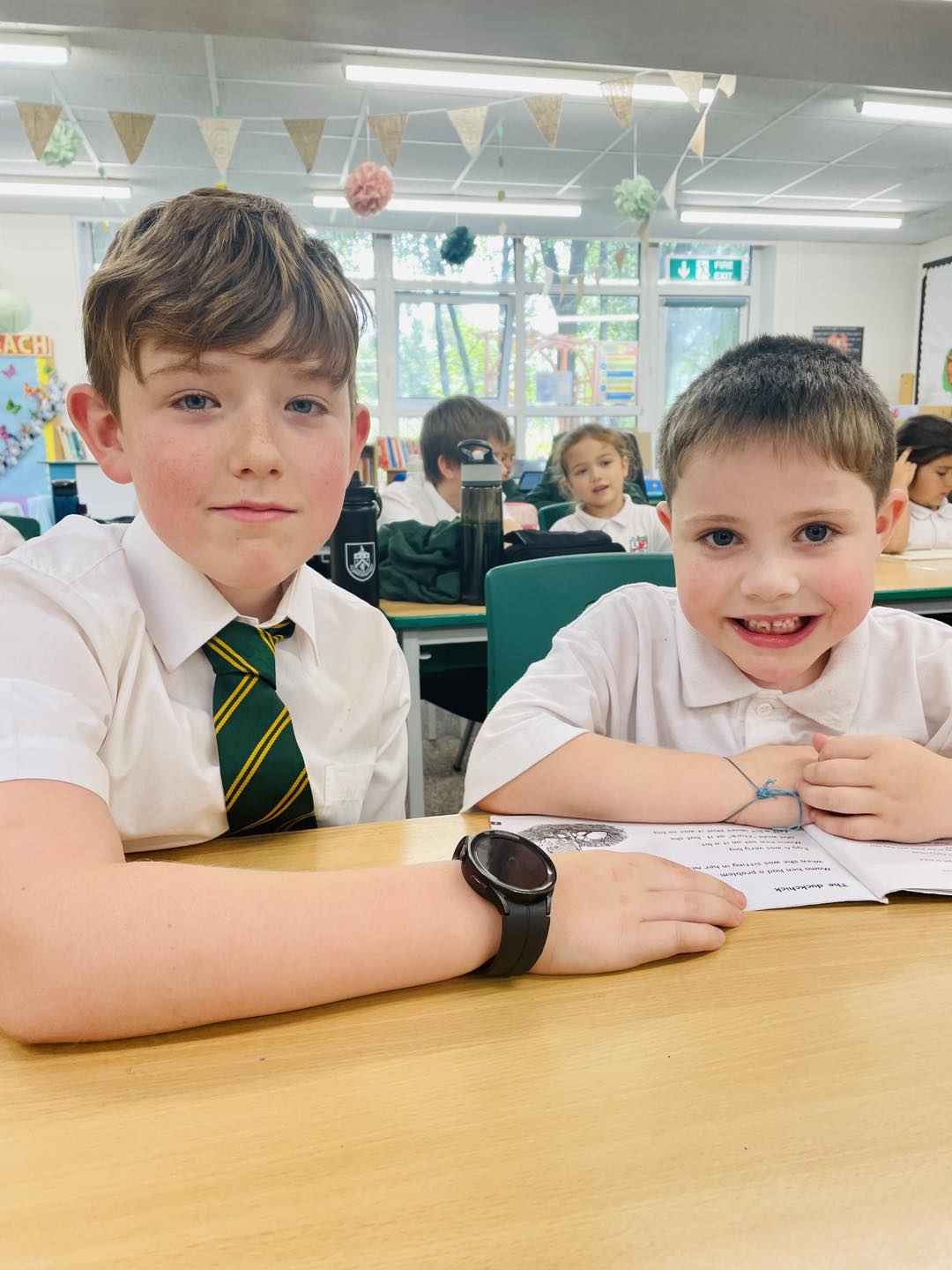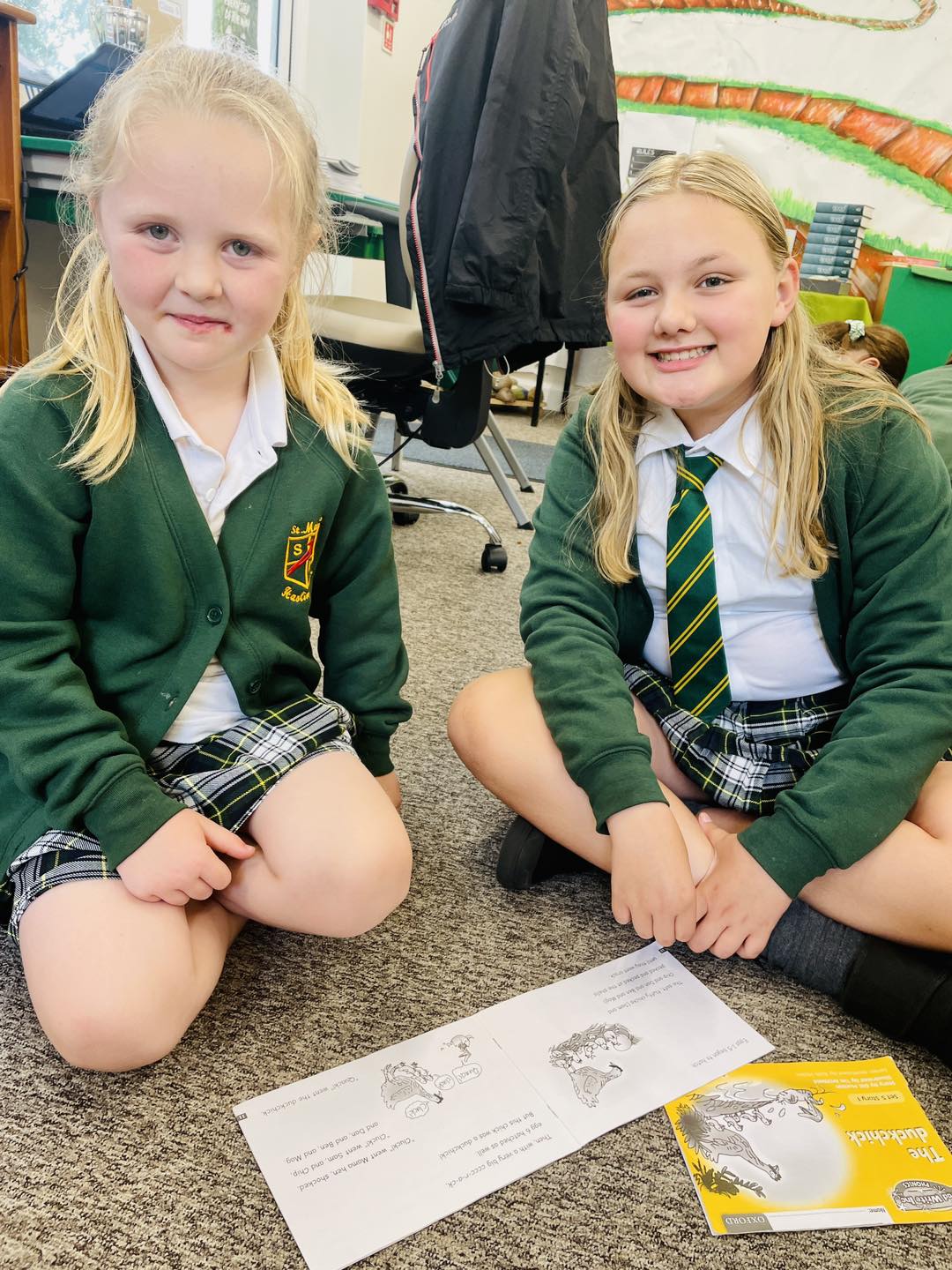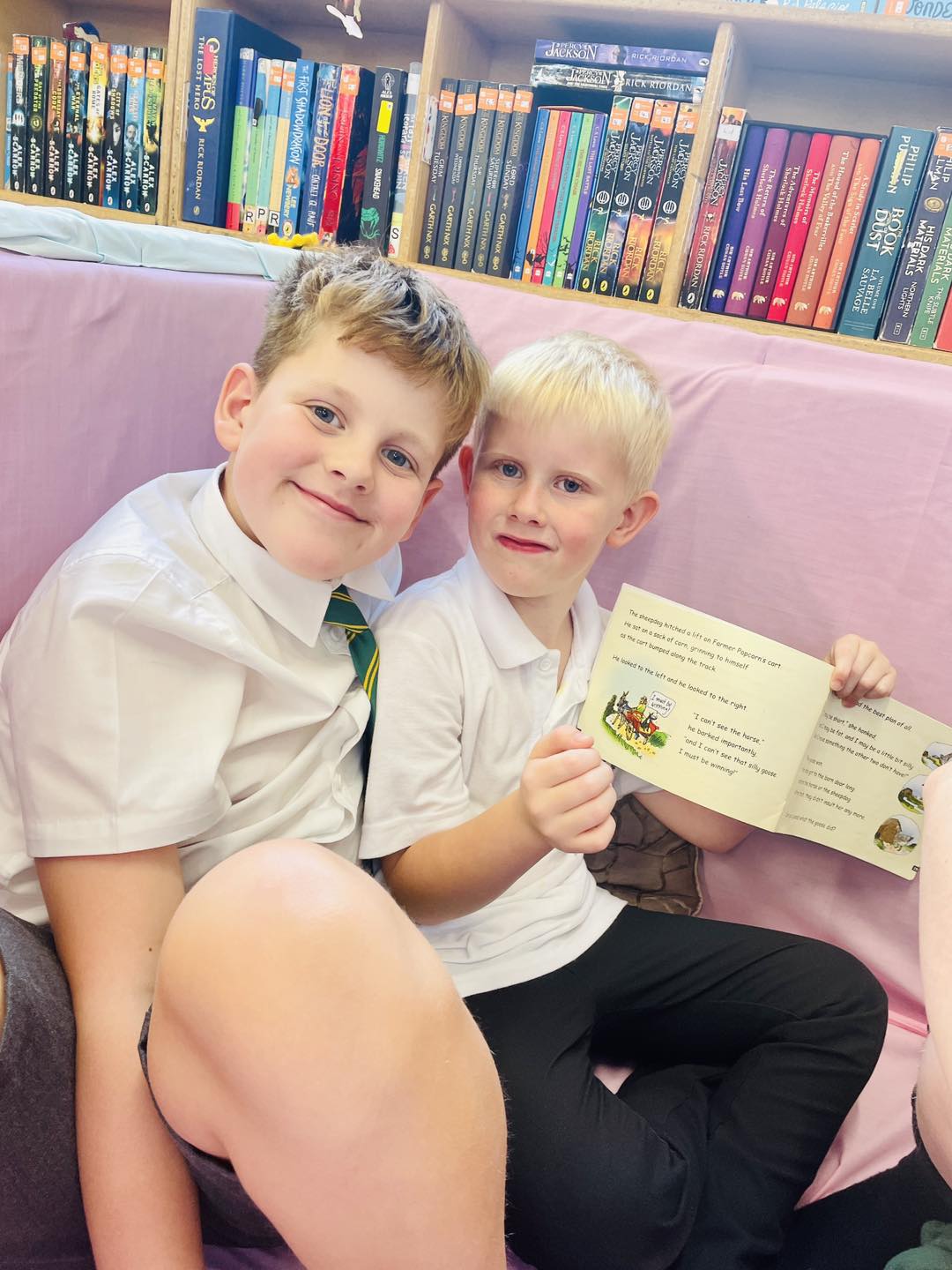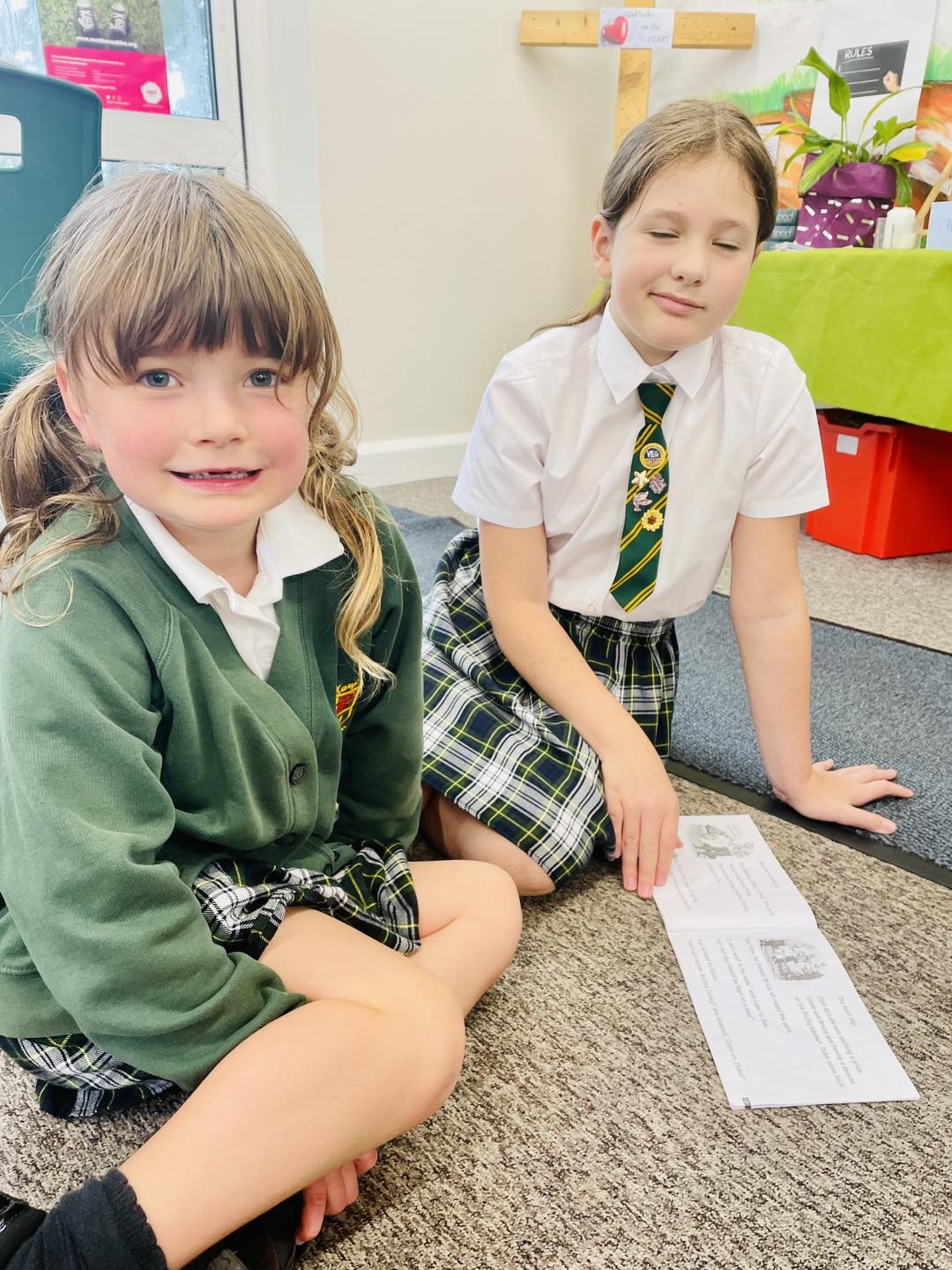
Reading and Phonics
READING AND PHONICS
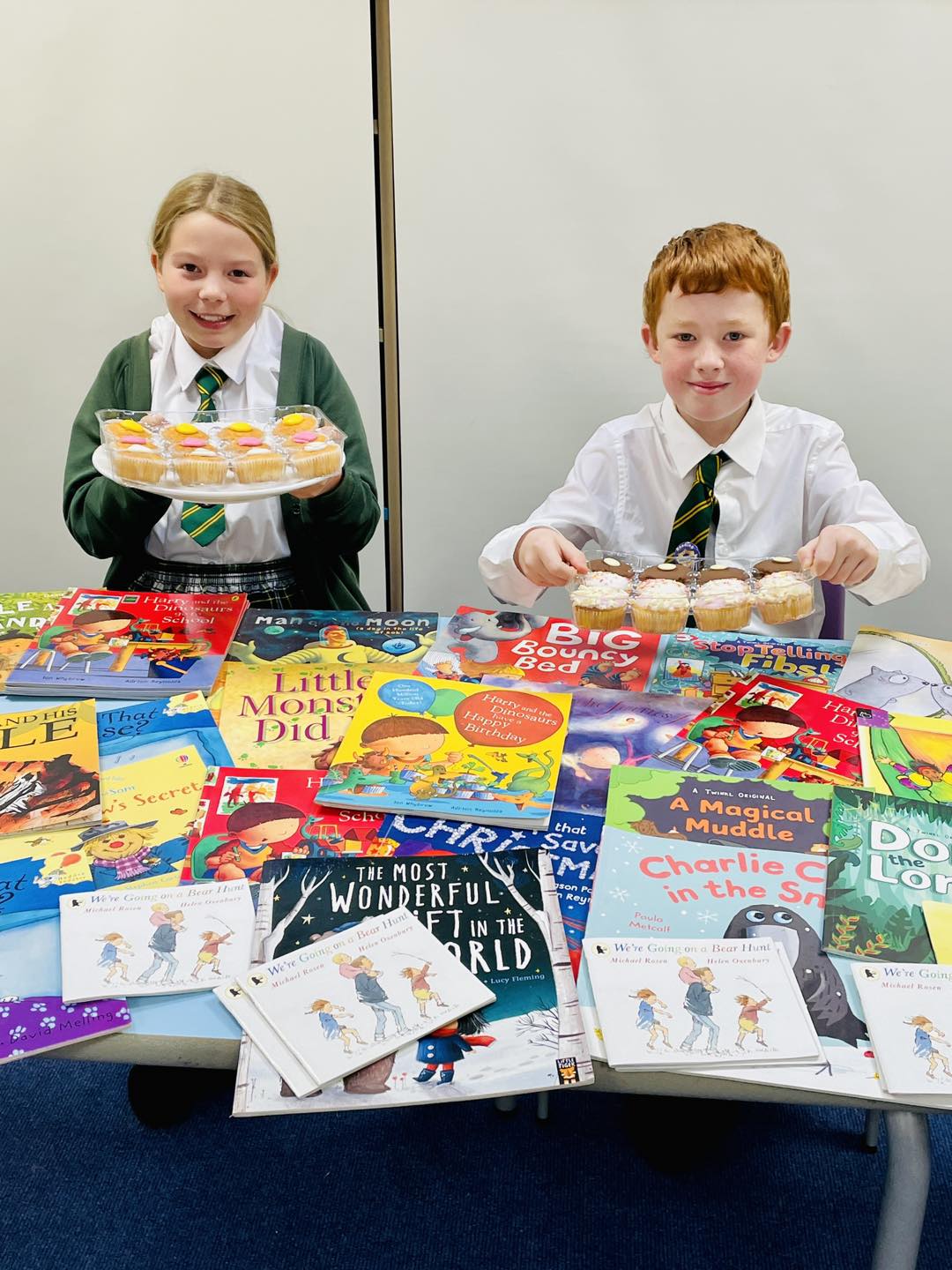
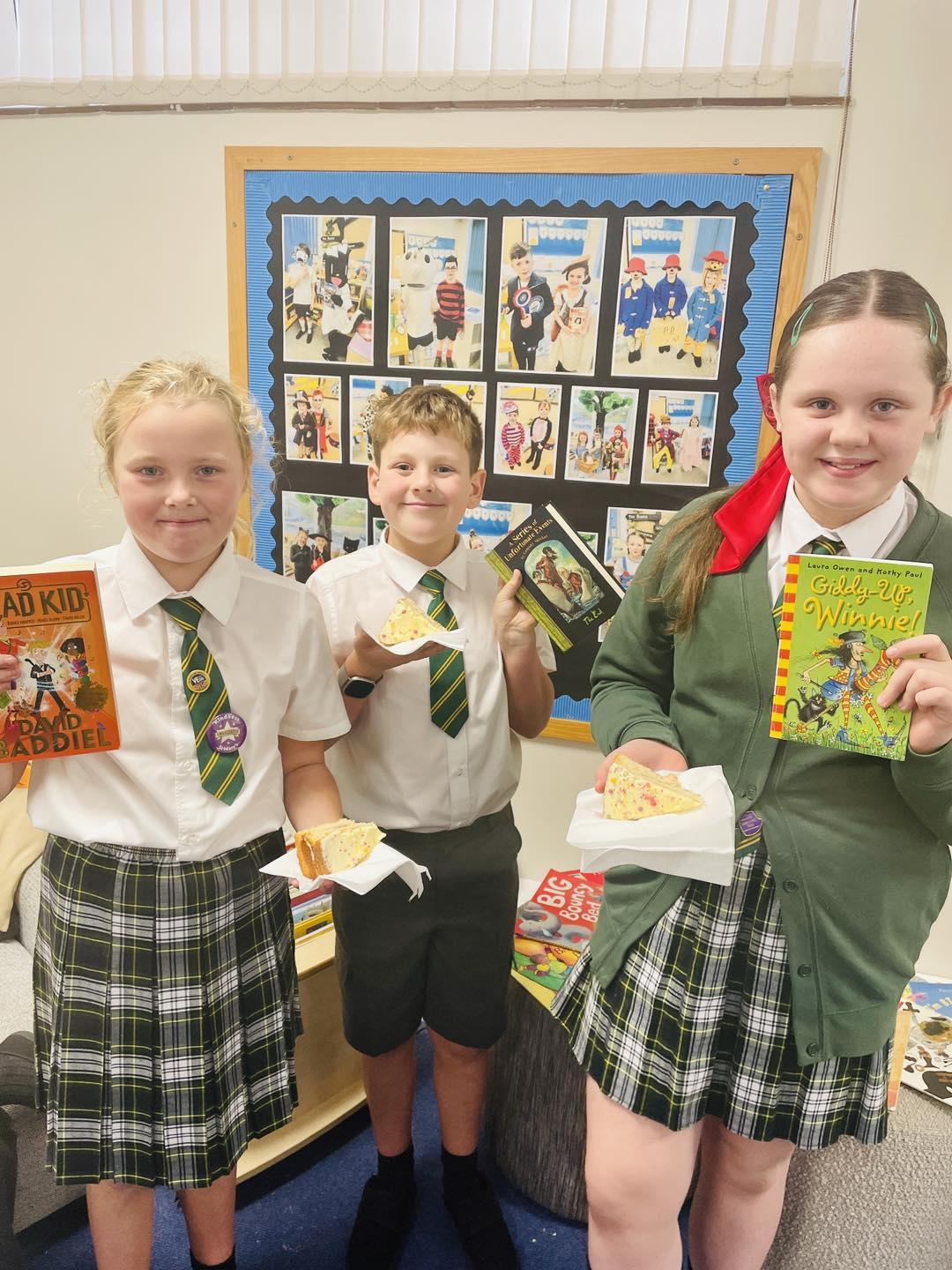
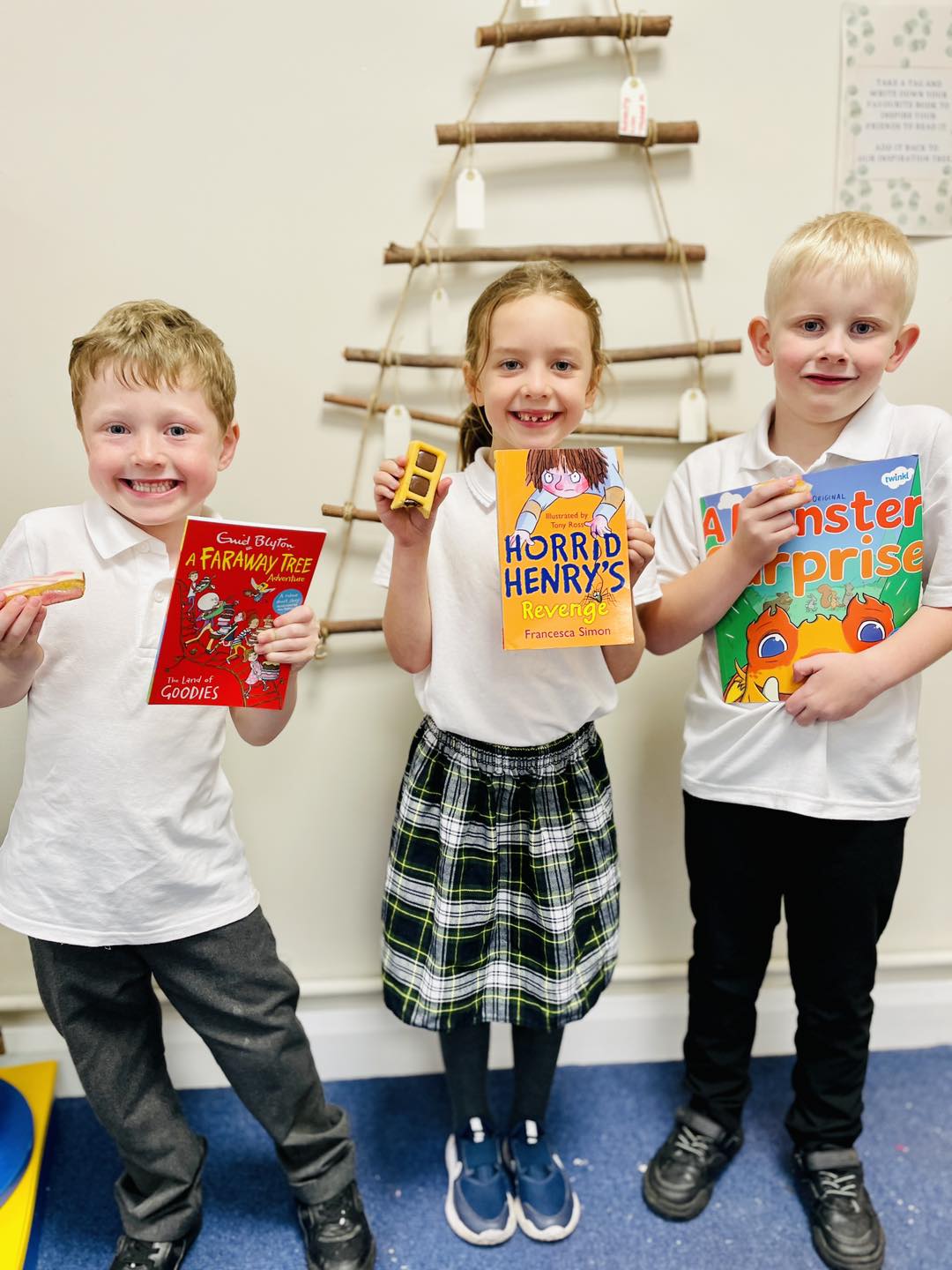
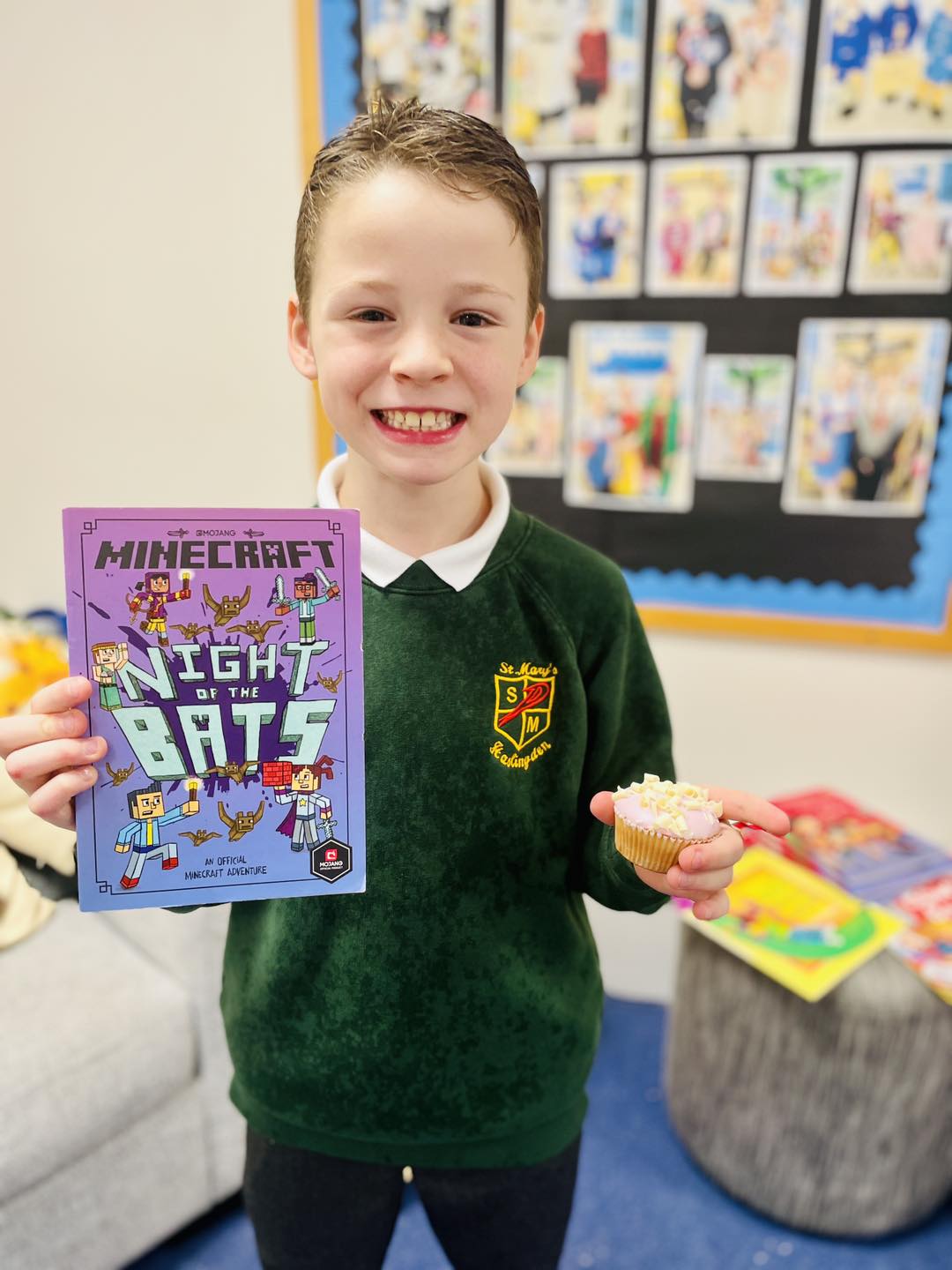
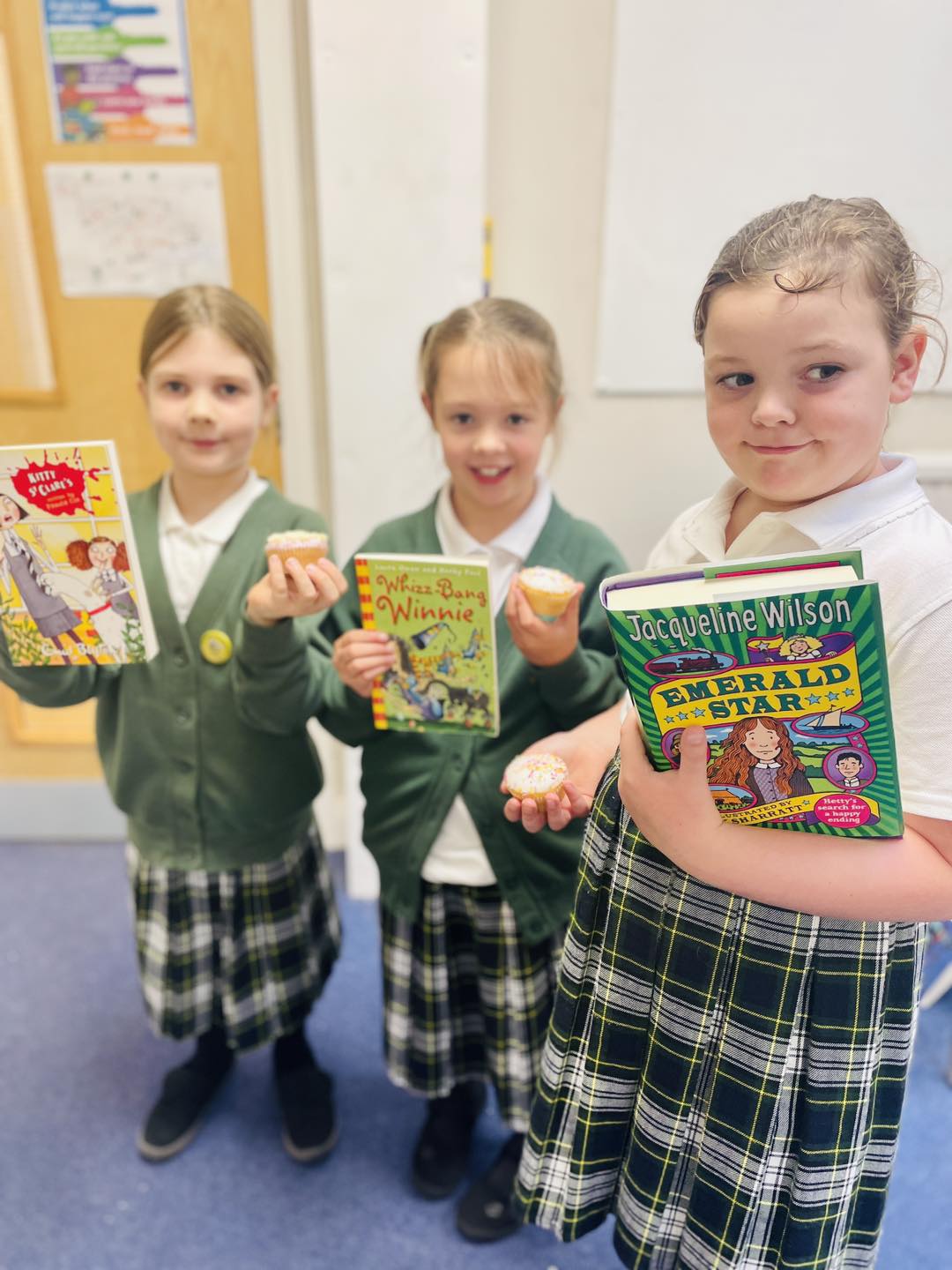
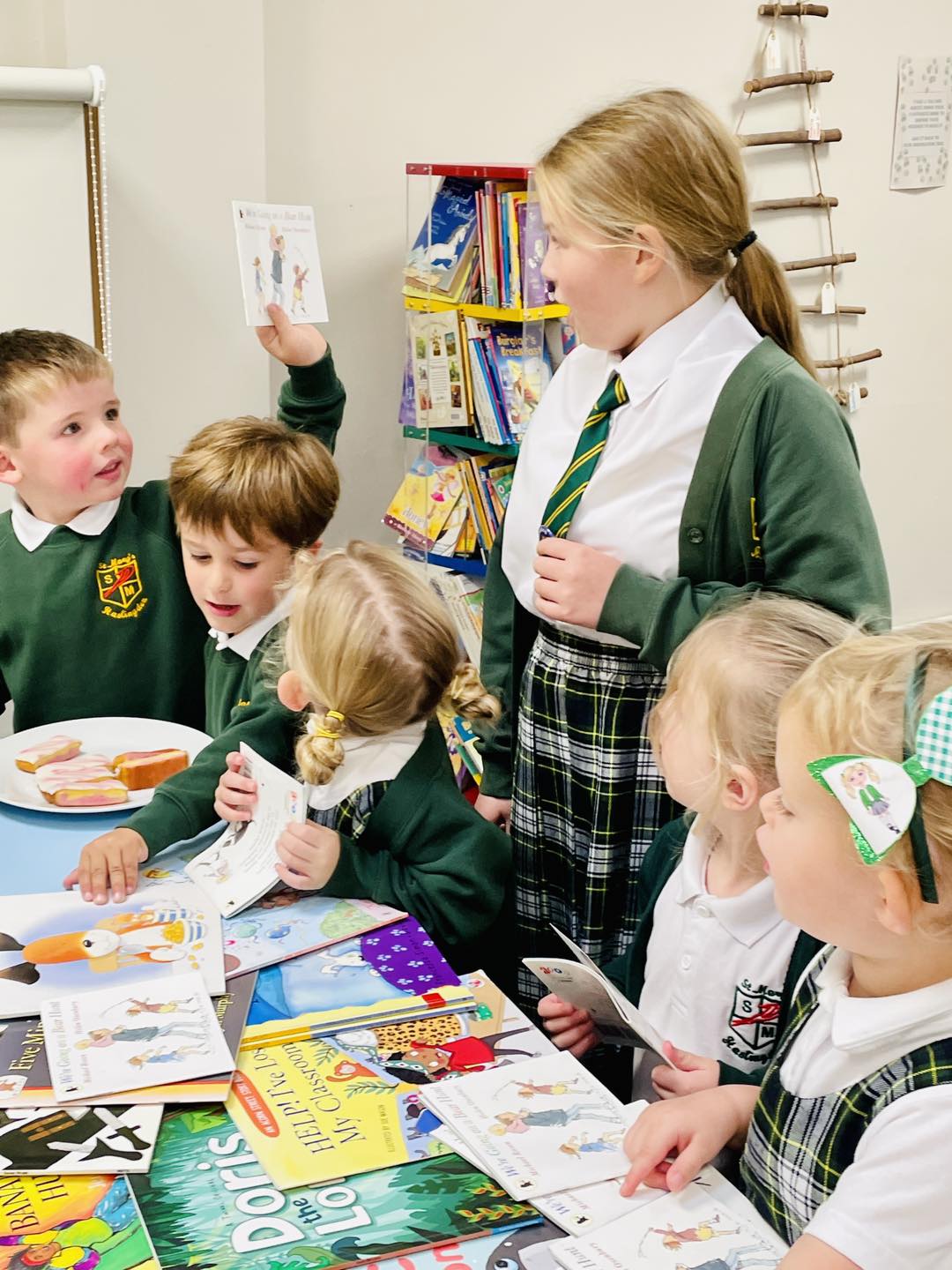
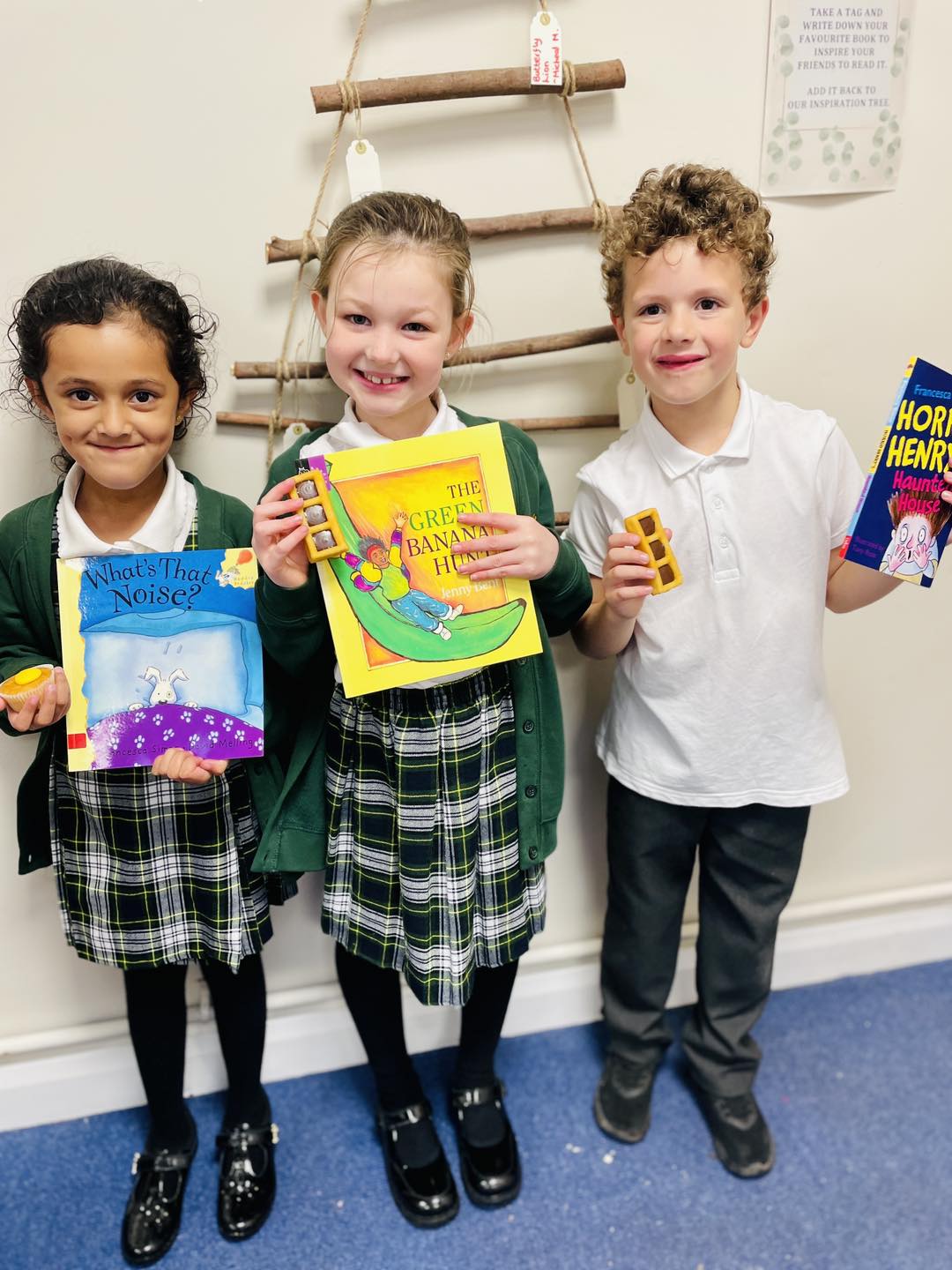
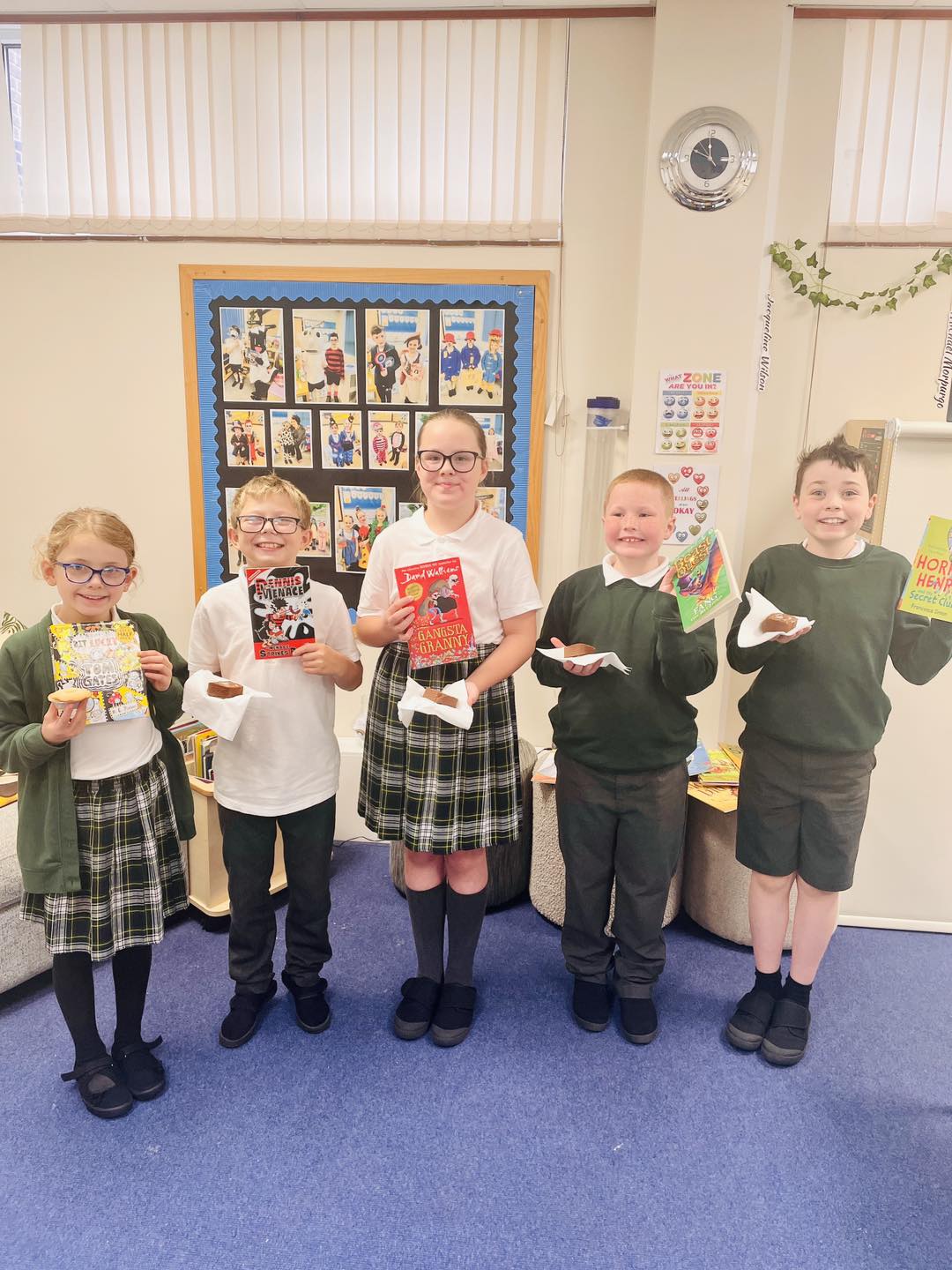
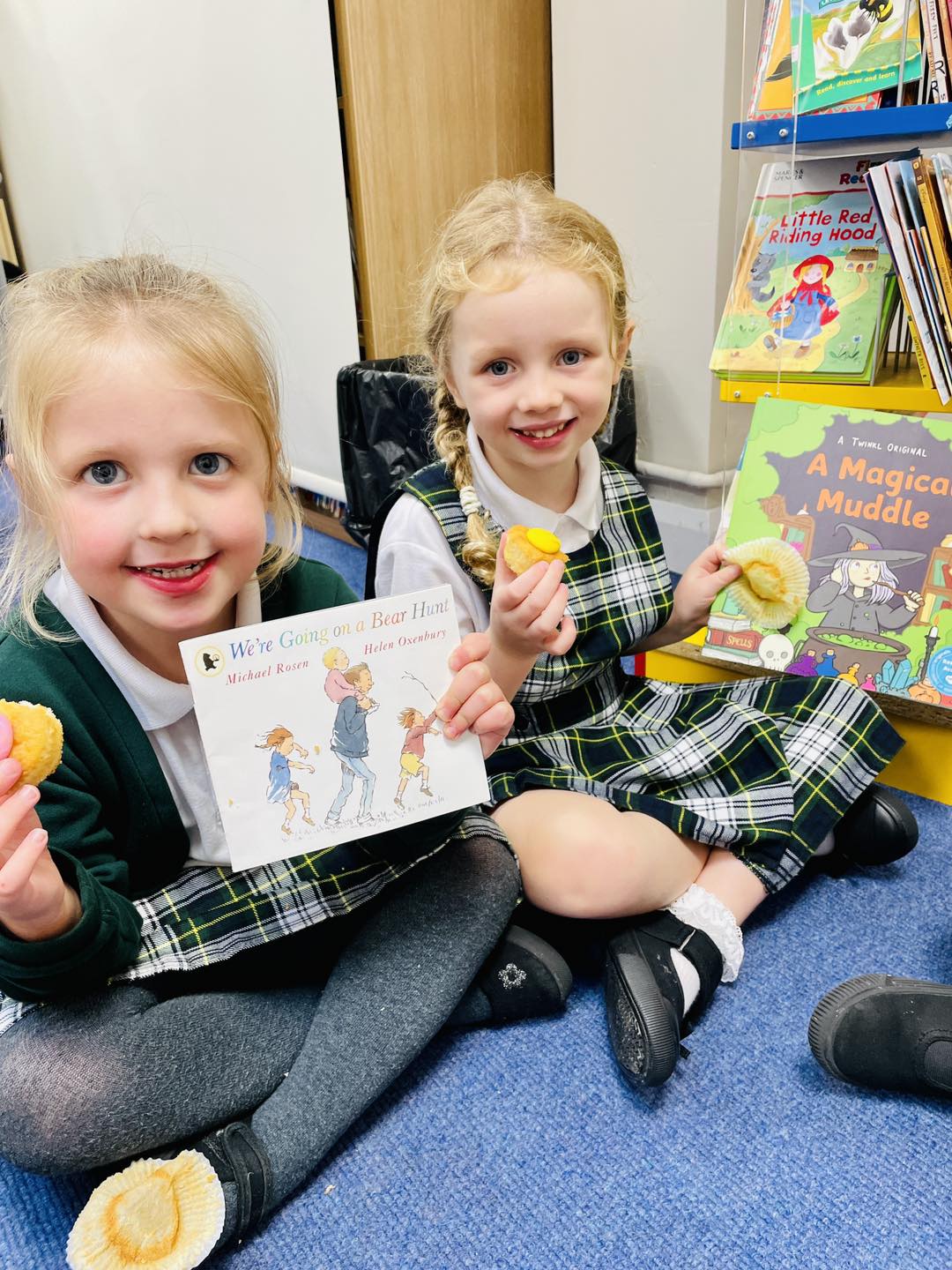
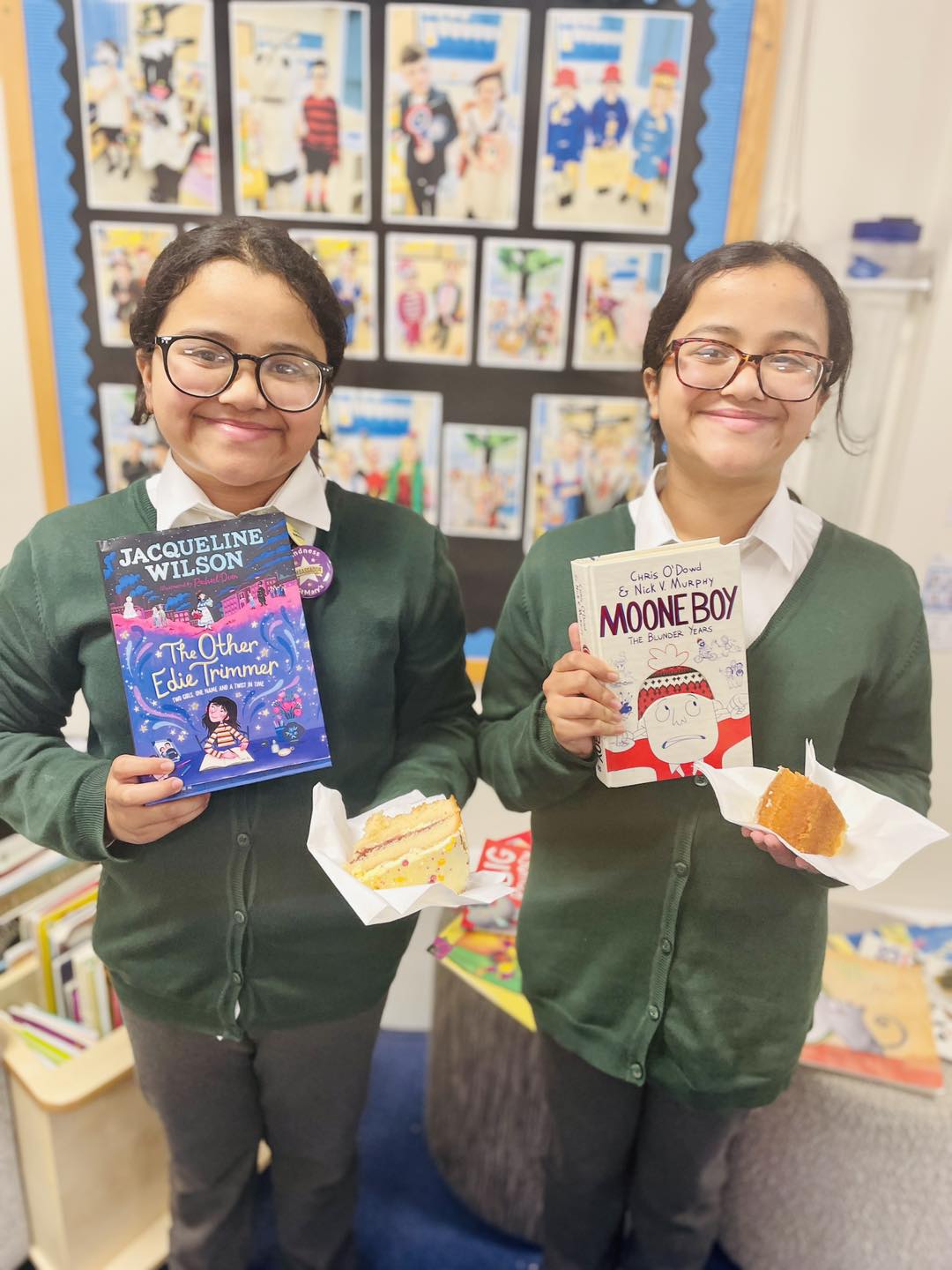
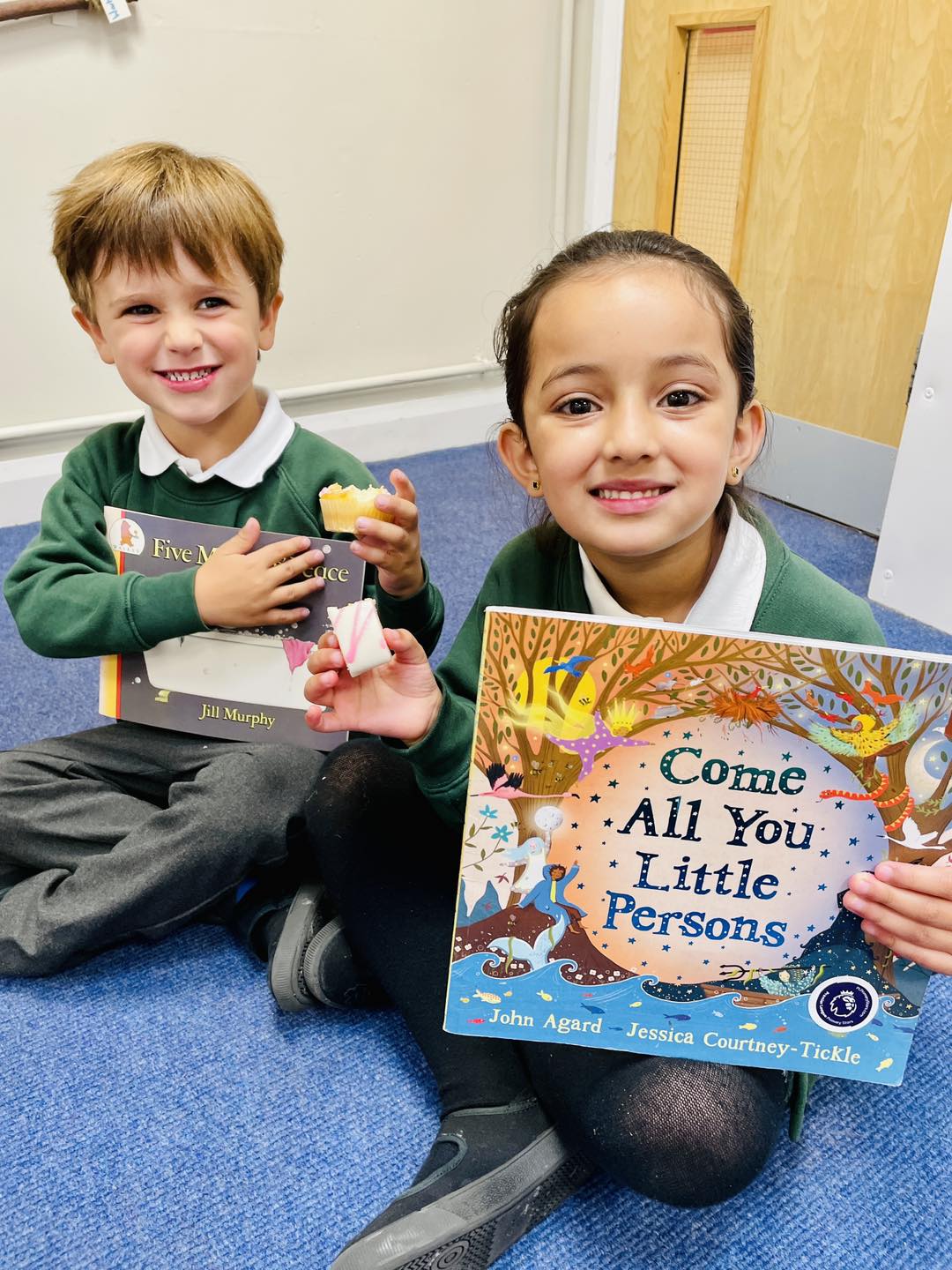
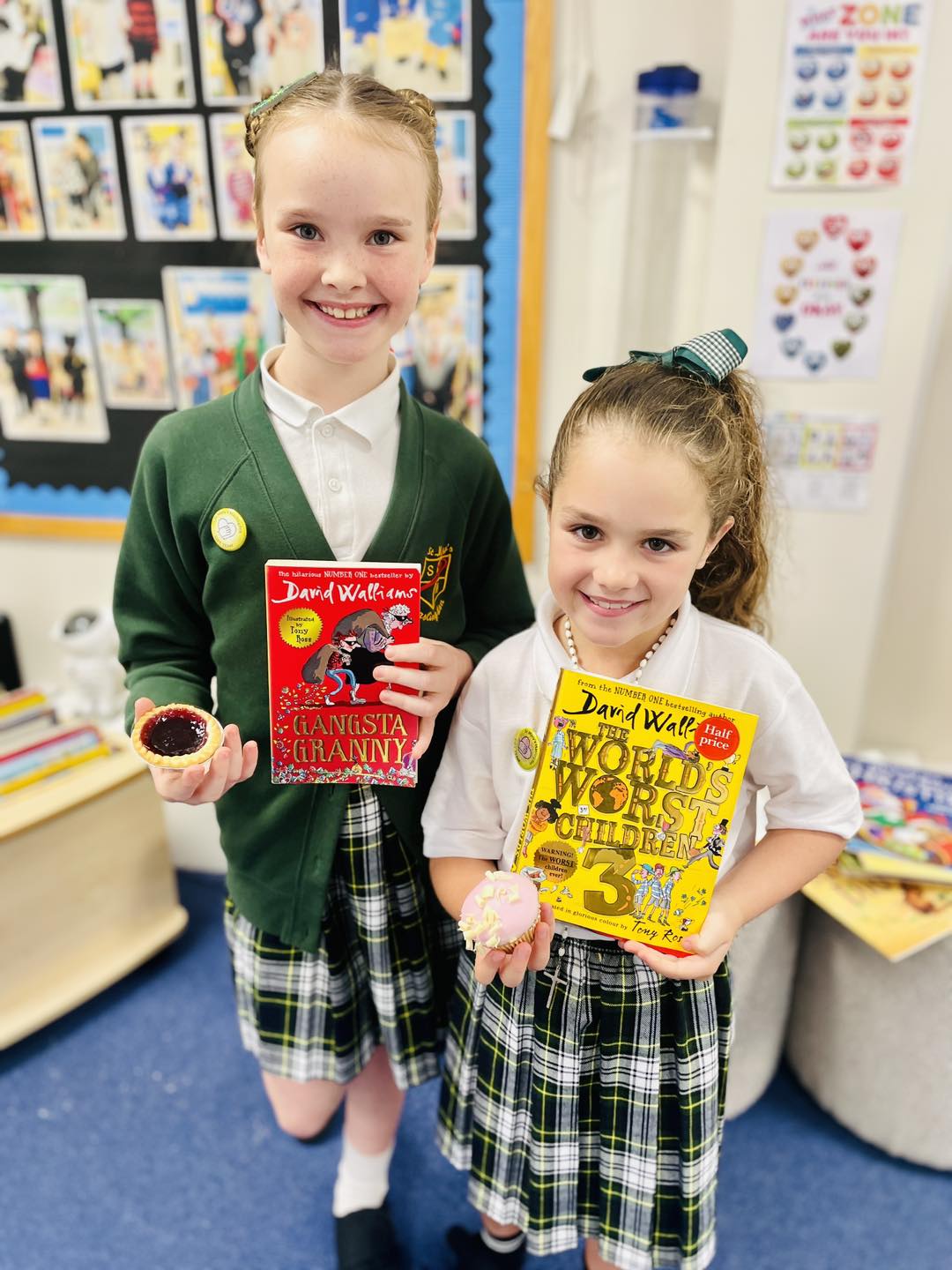
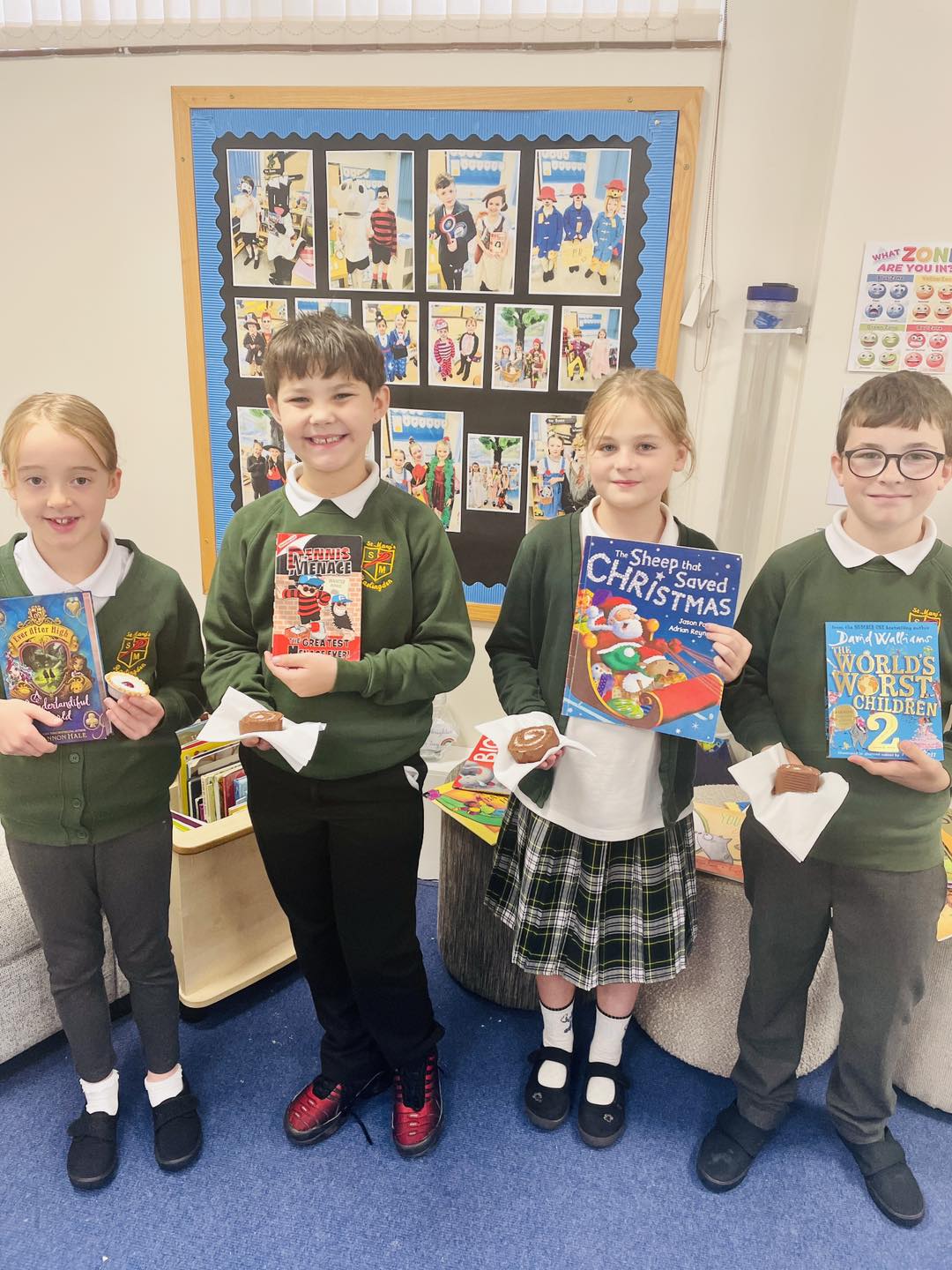
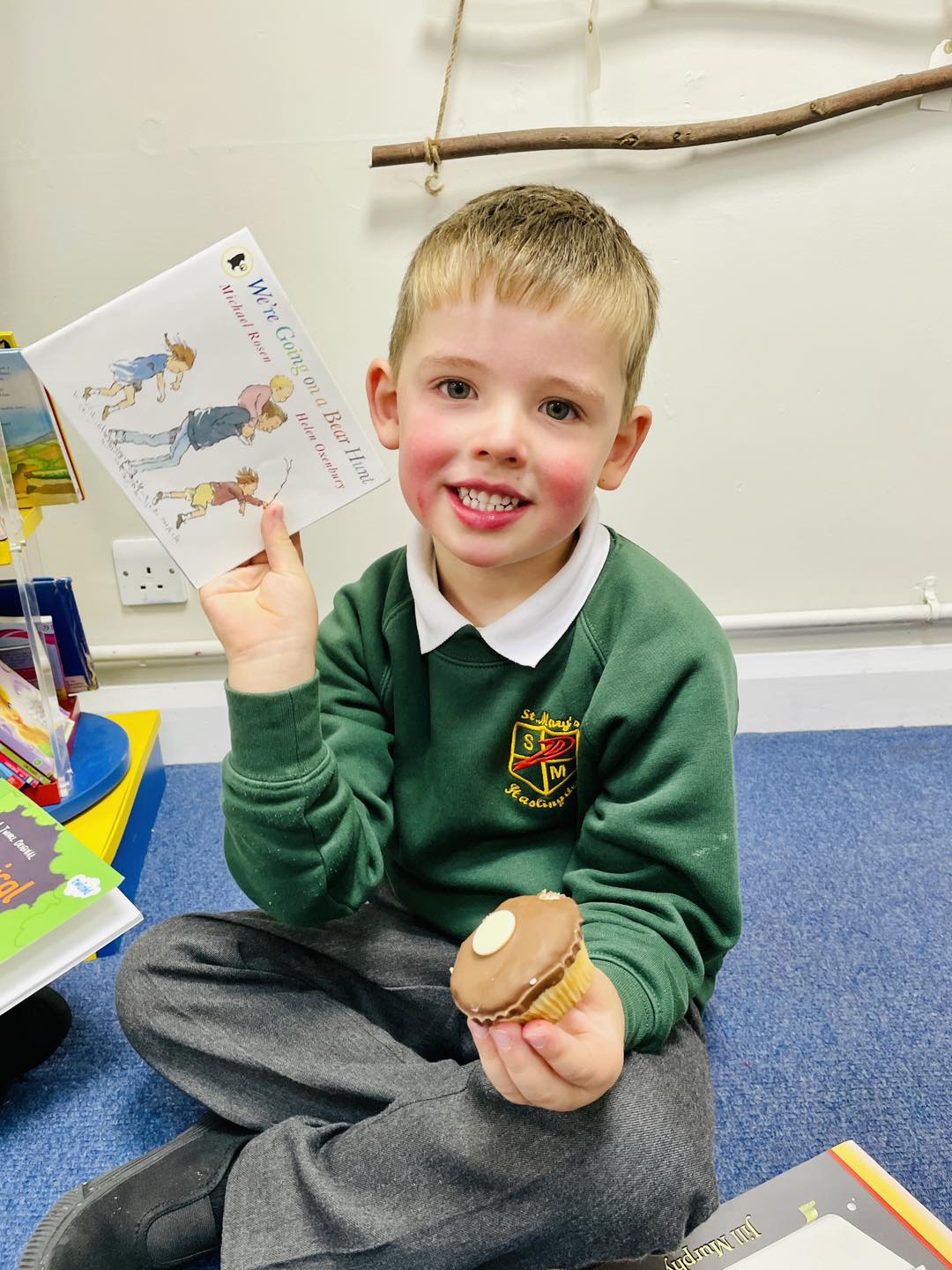
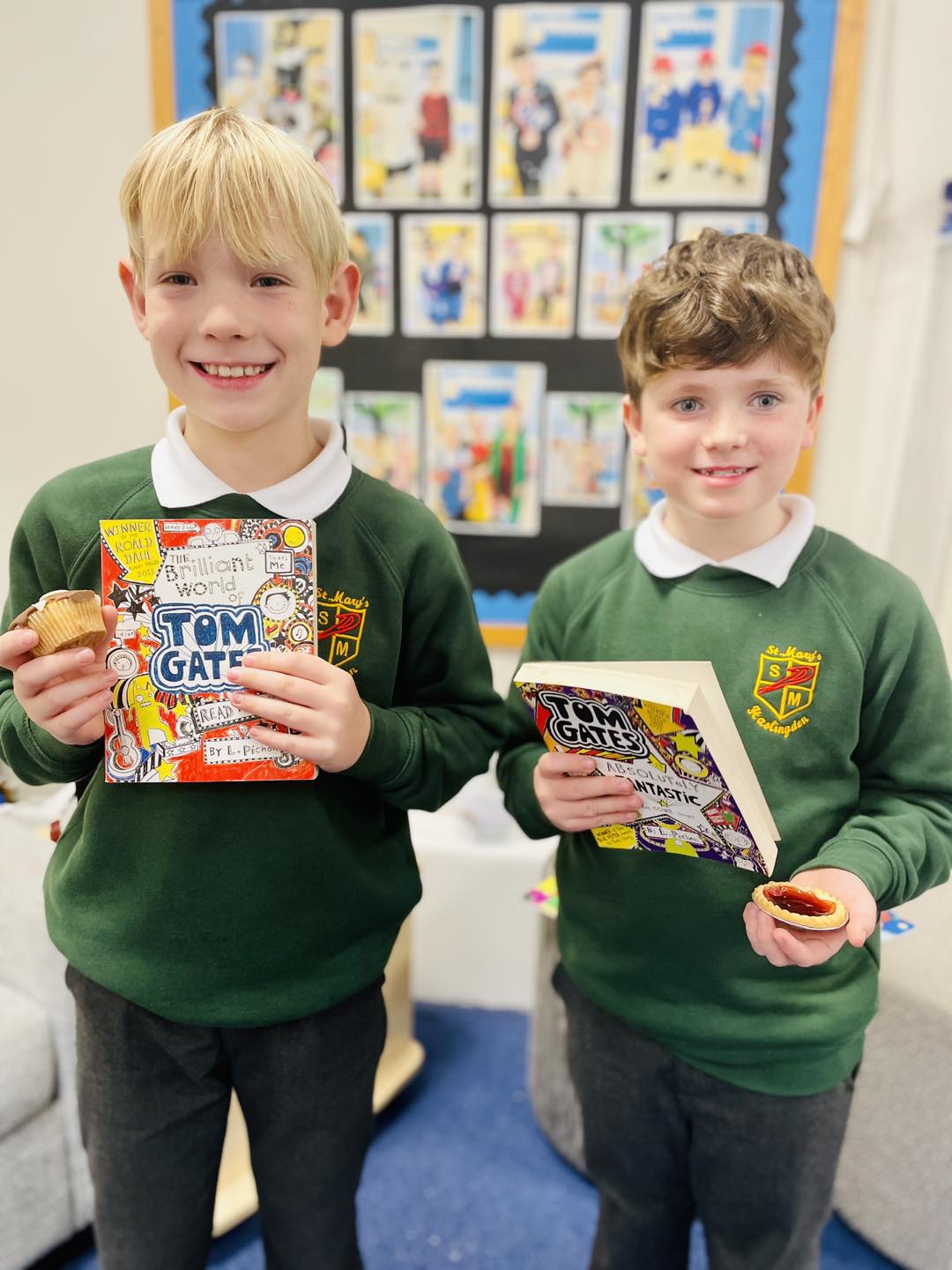
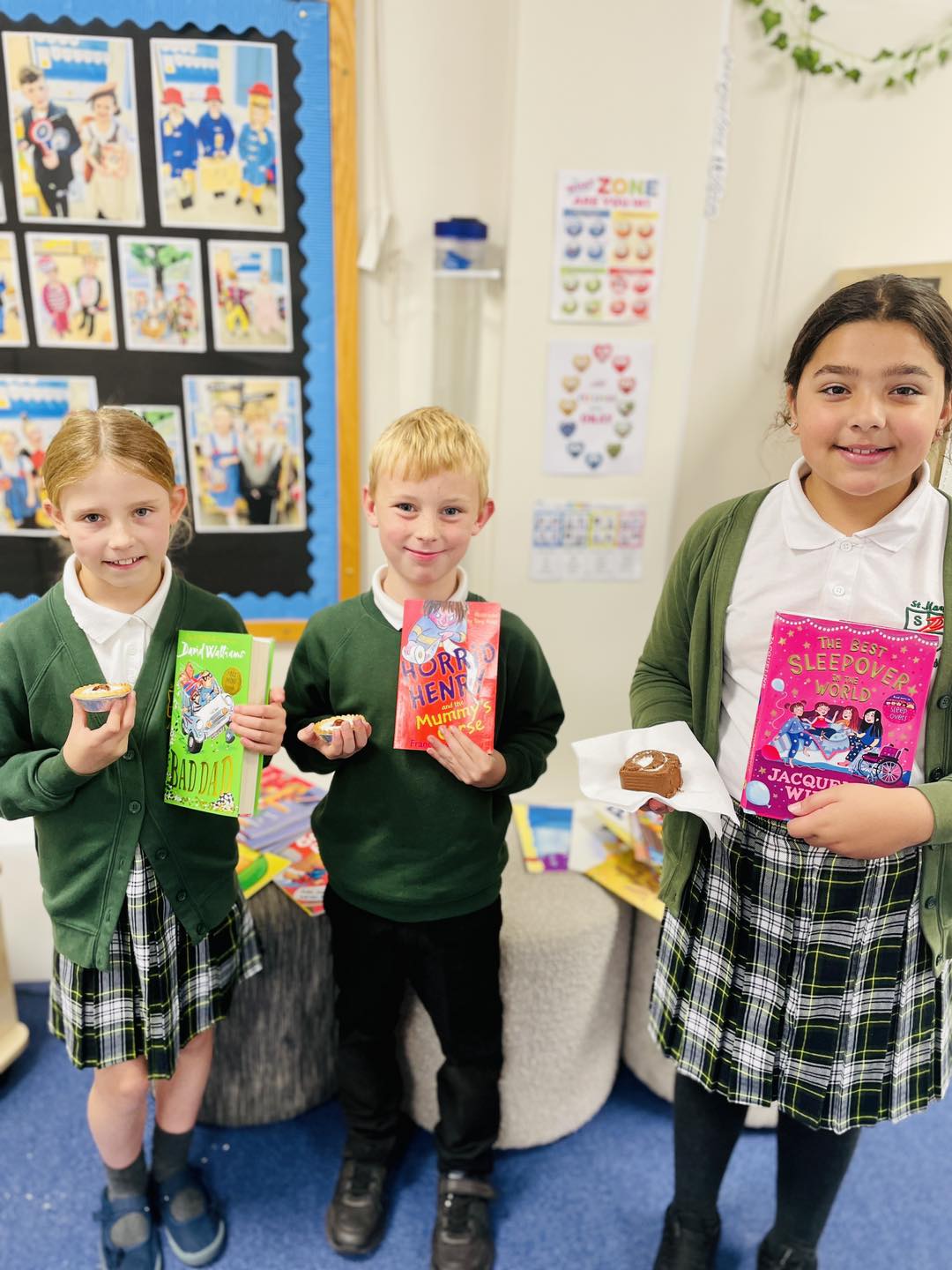
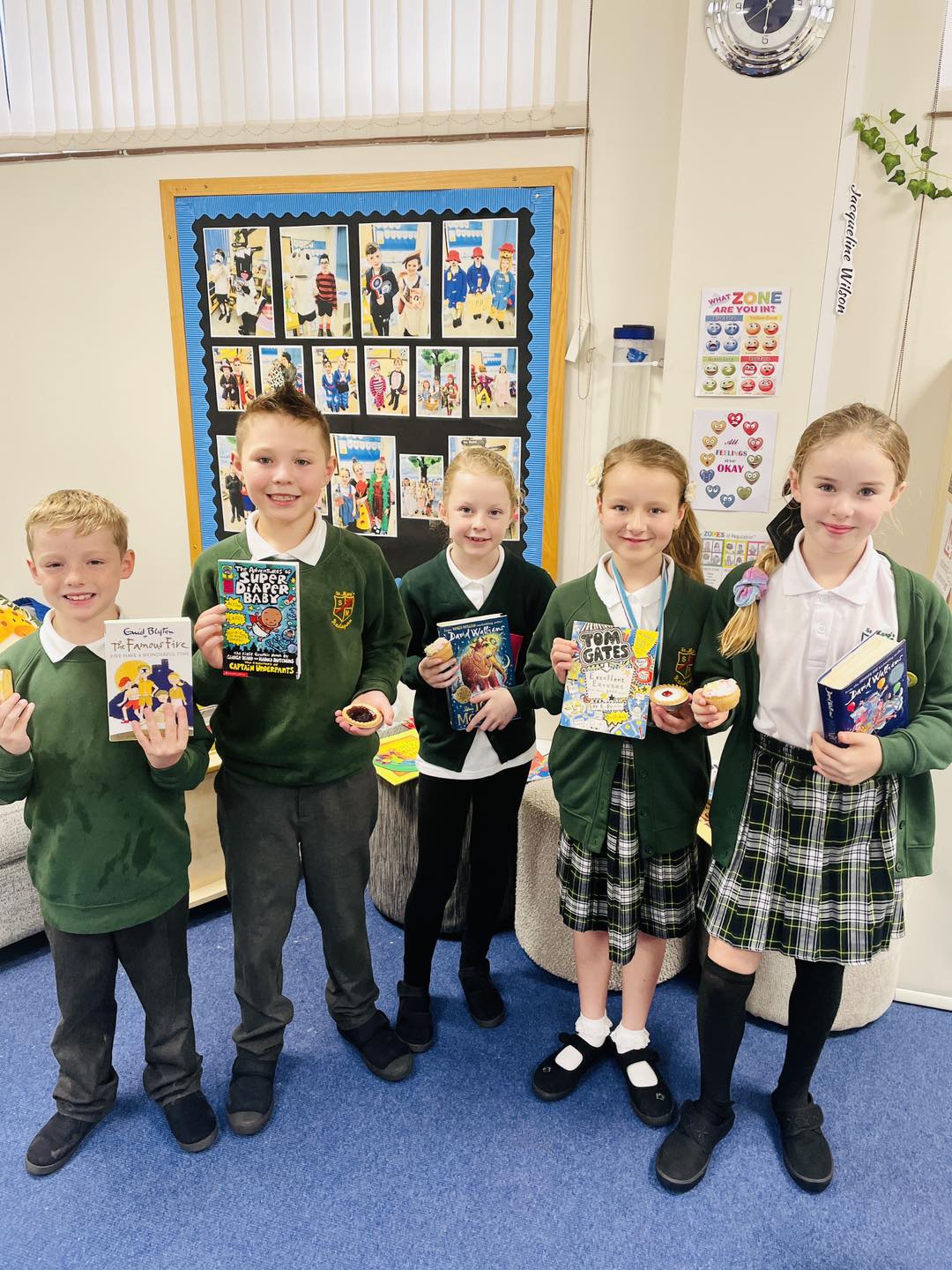
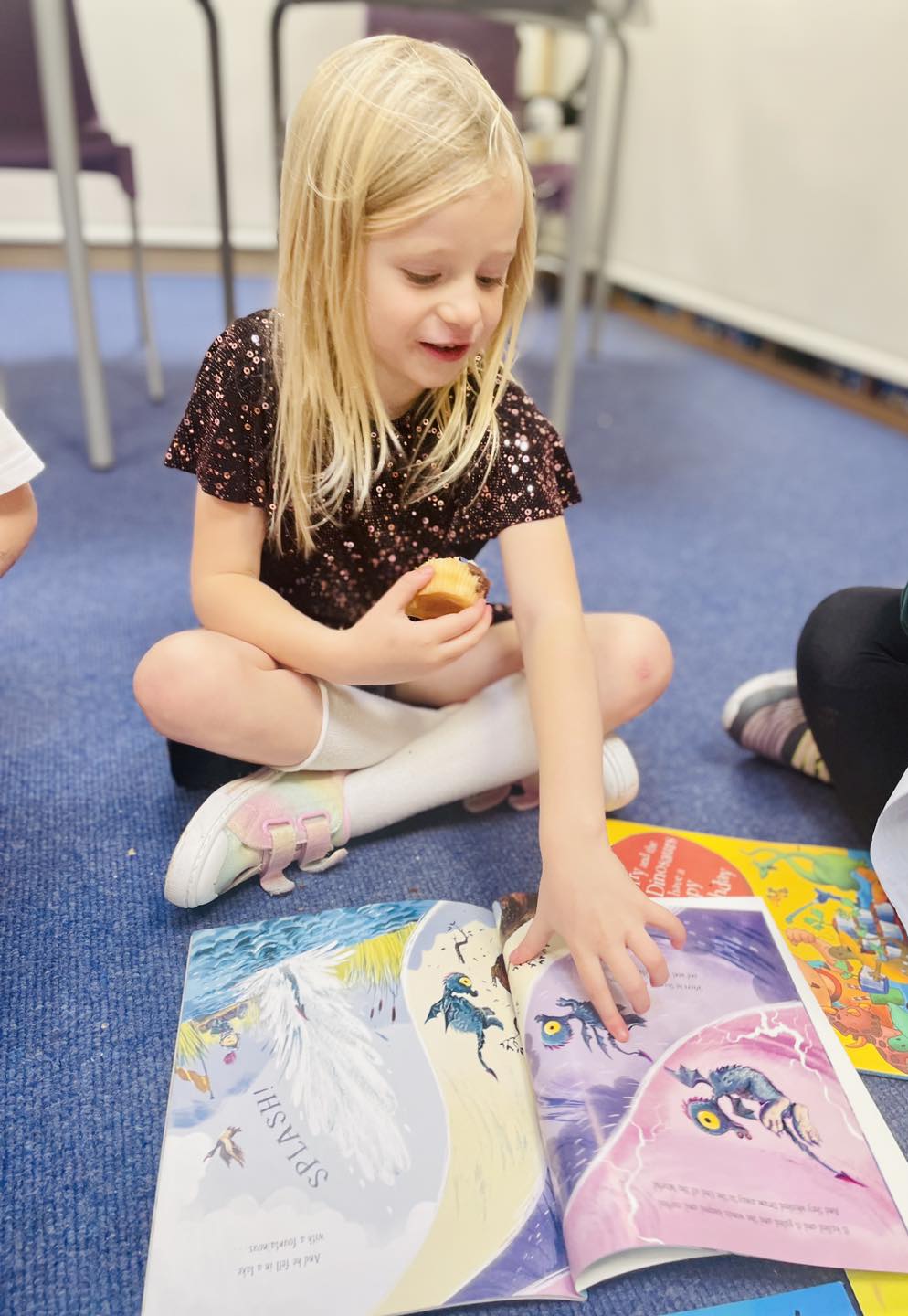
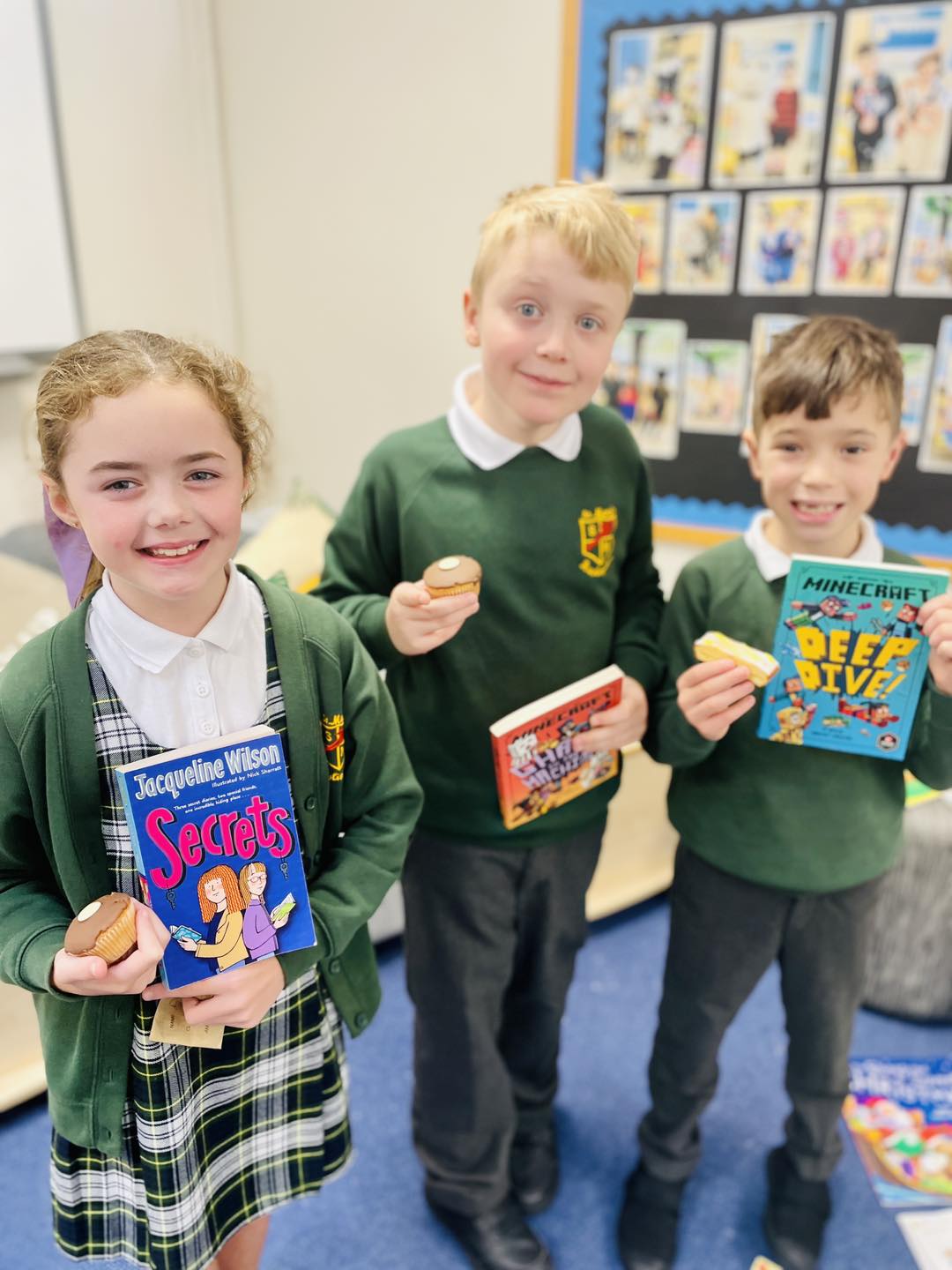
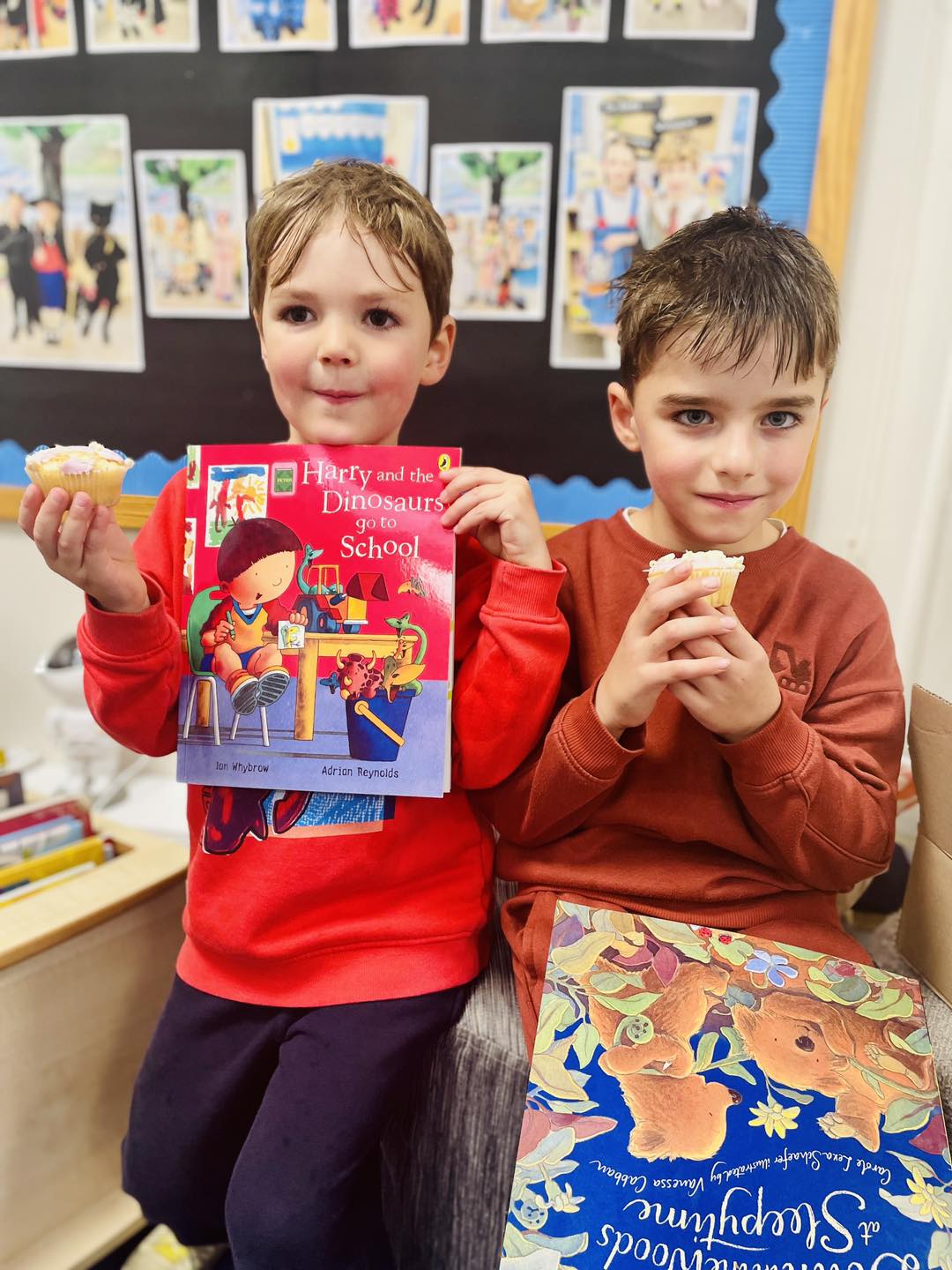
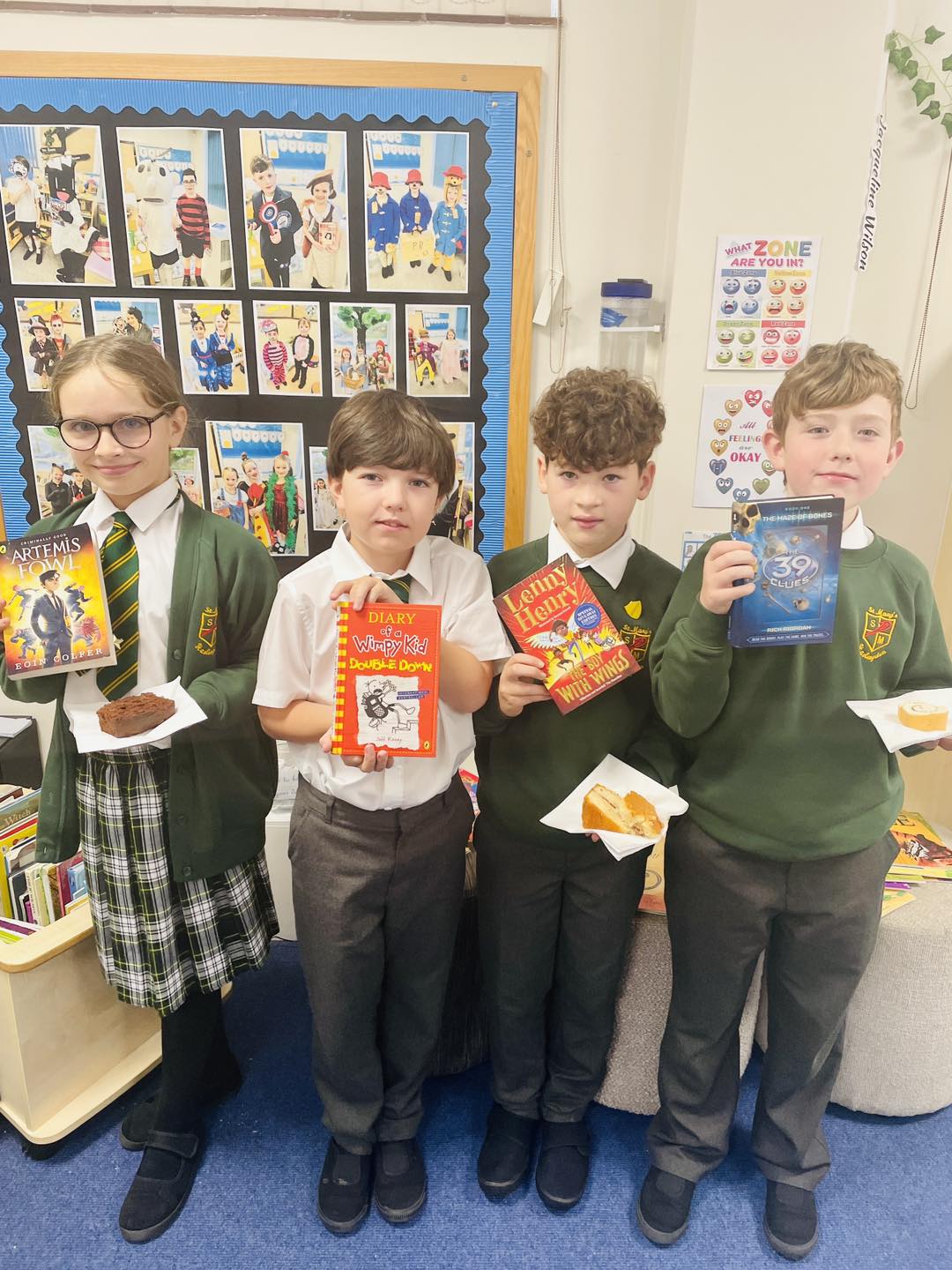
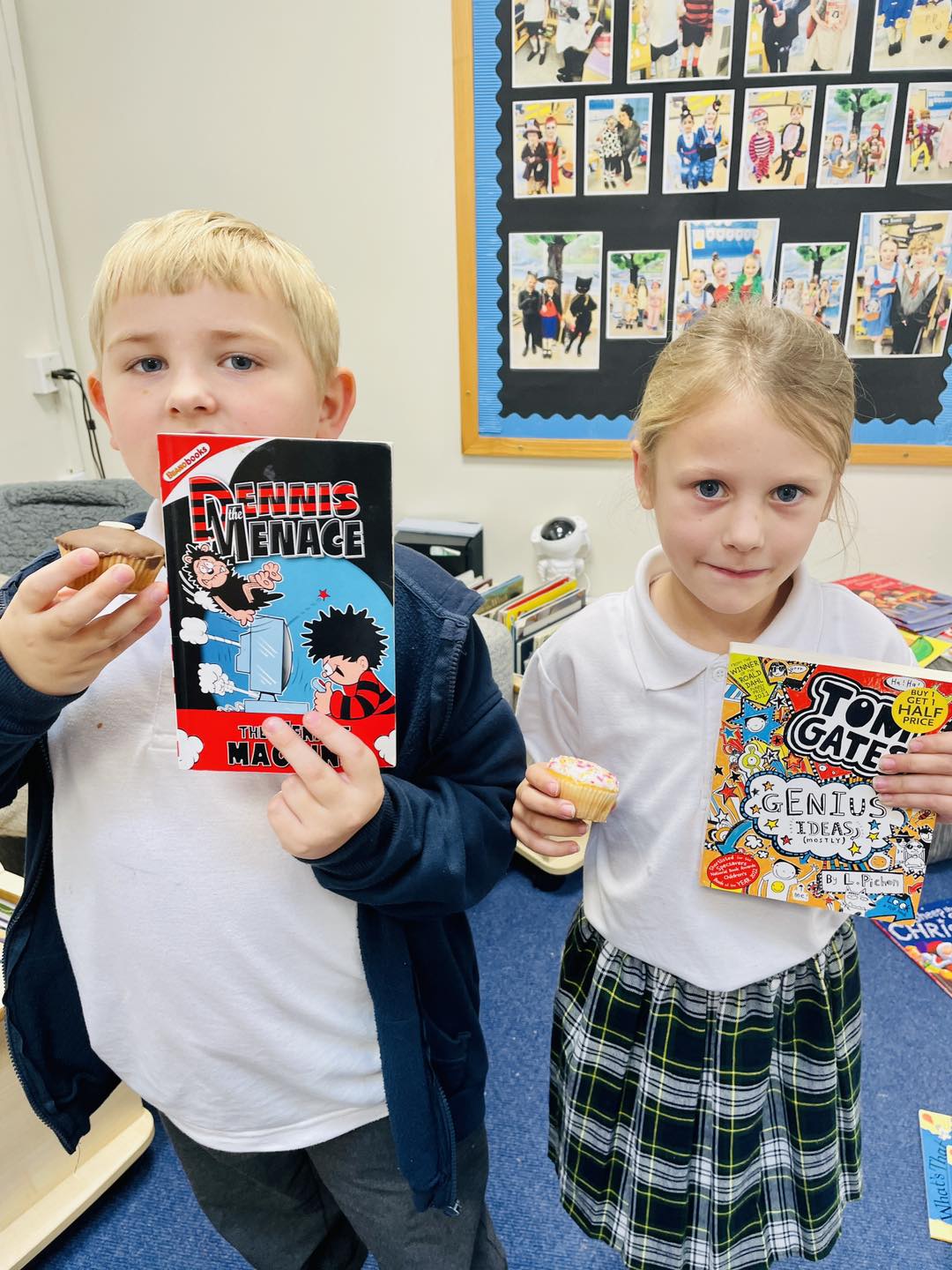
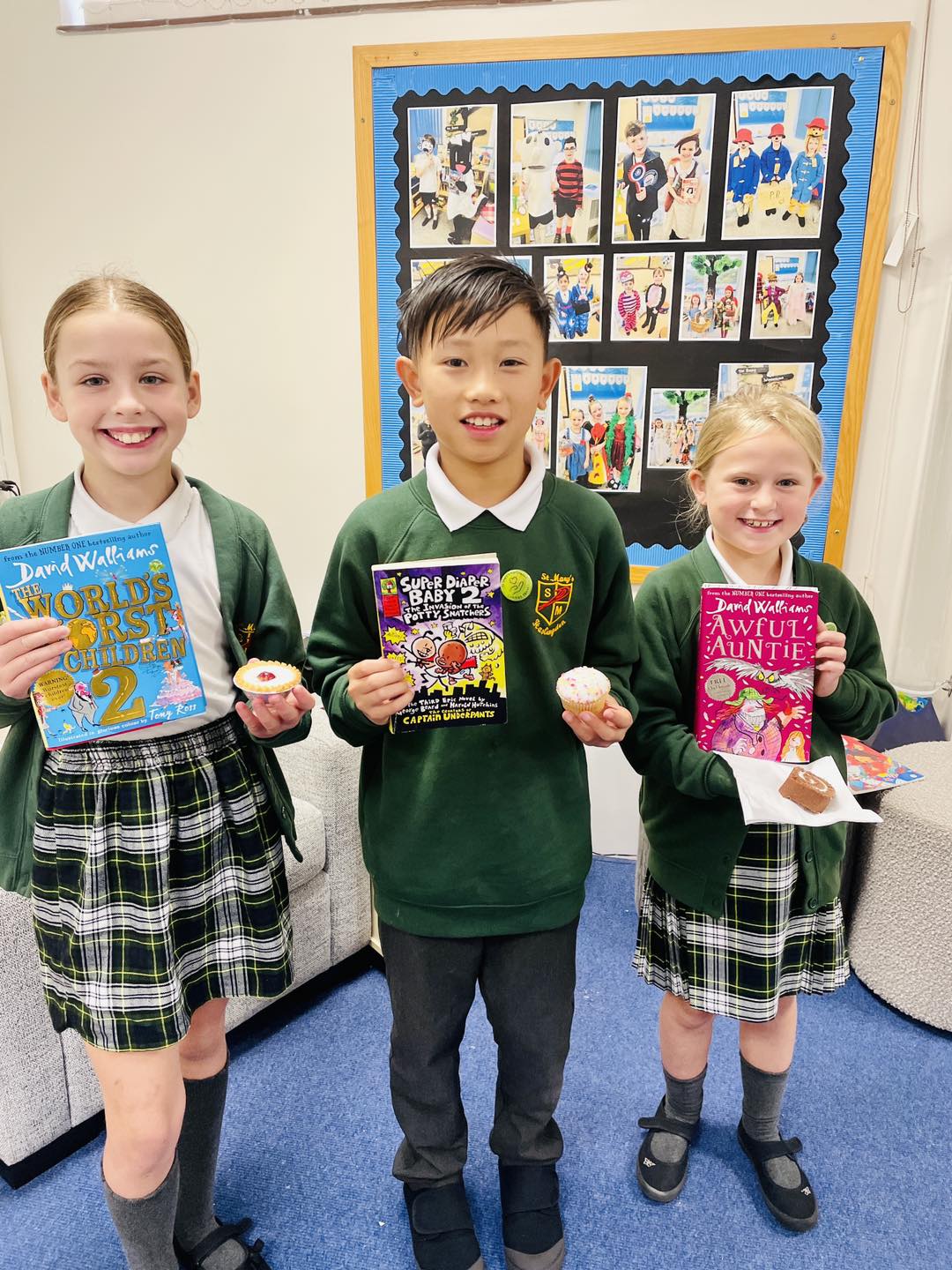
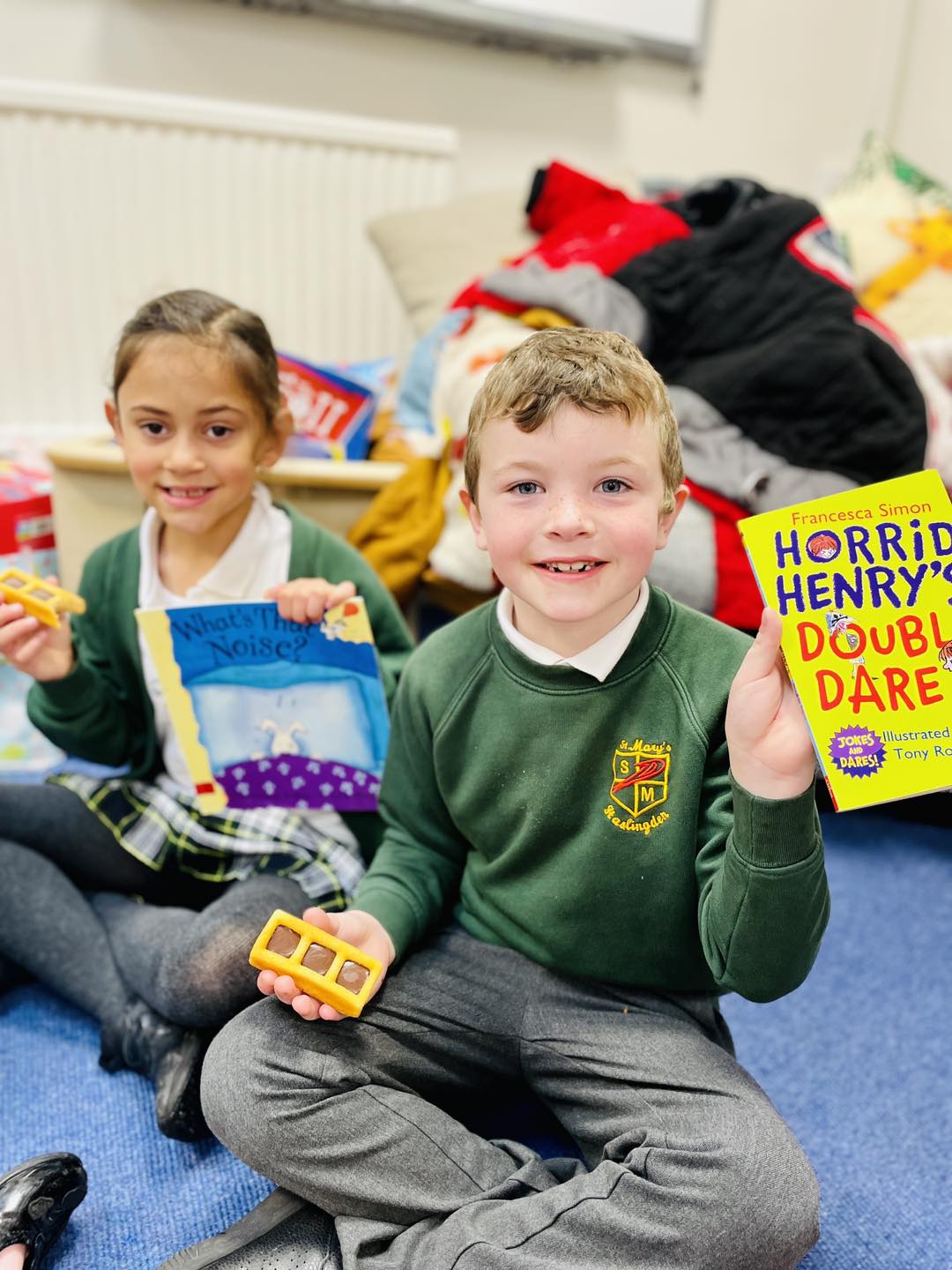
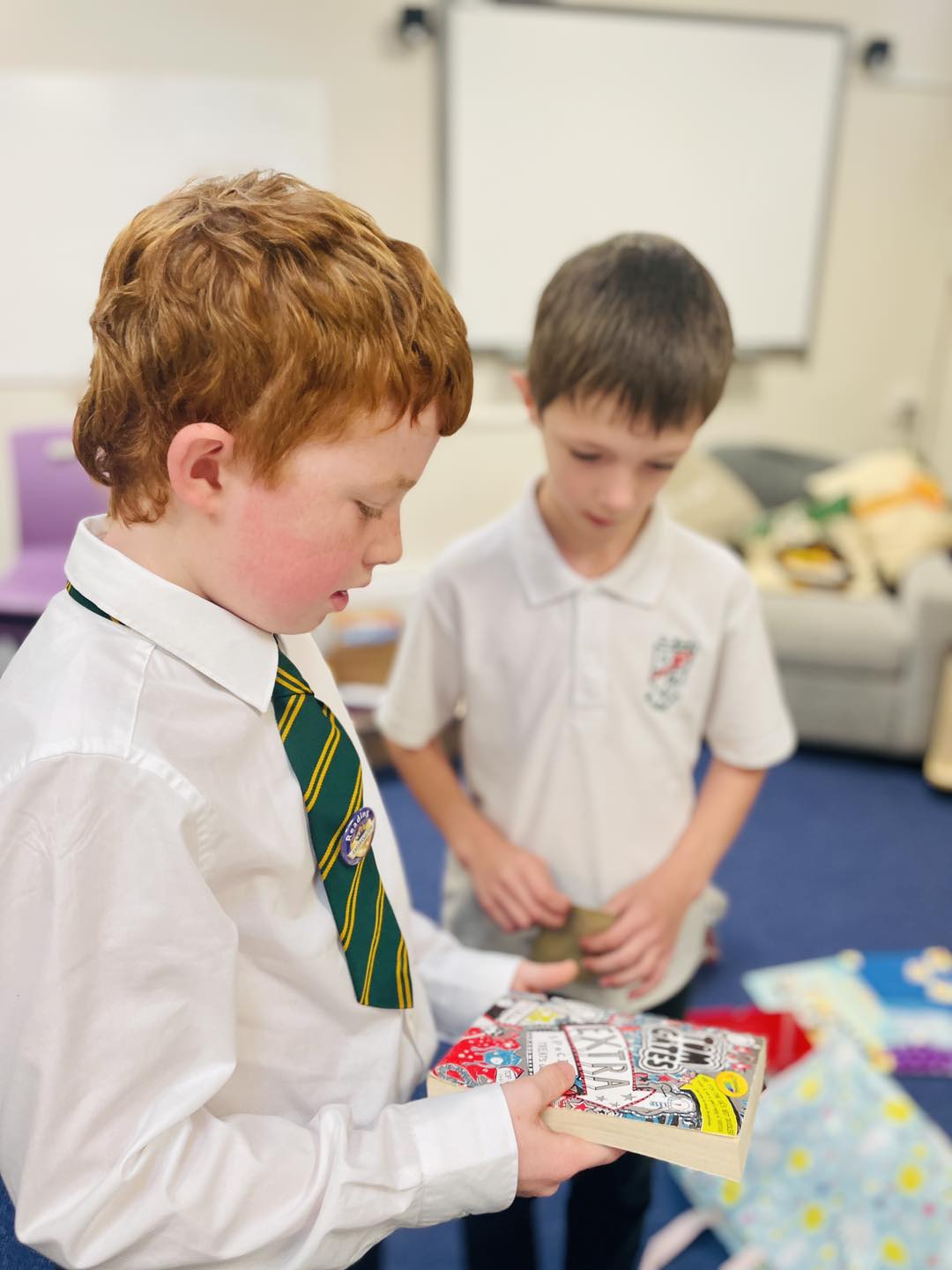
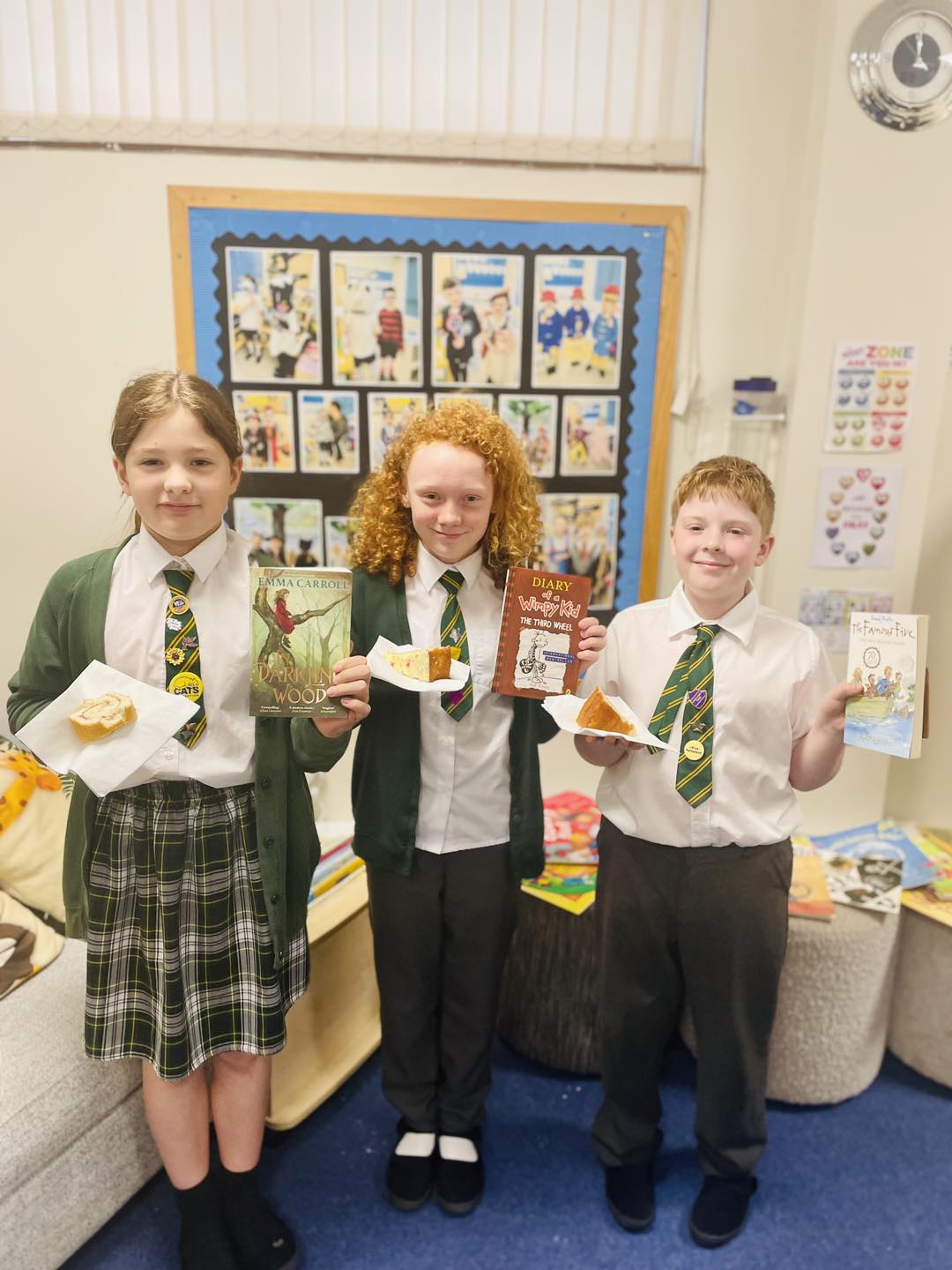
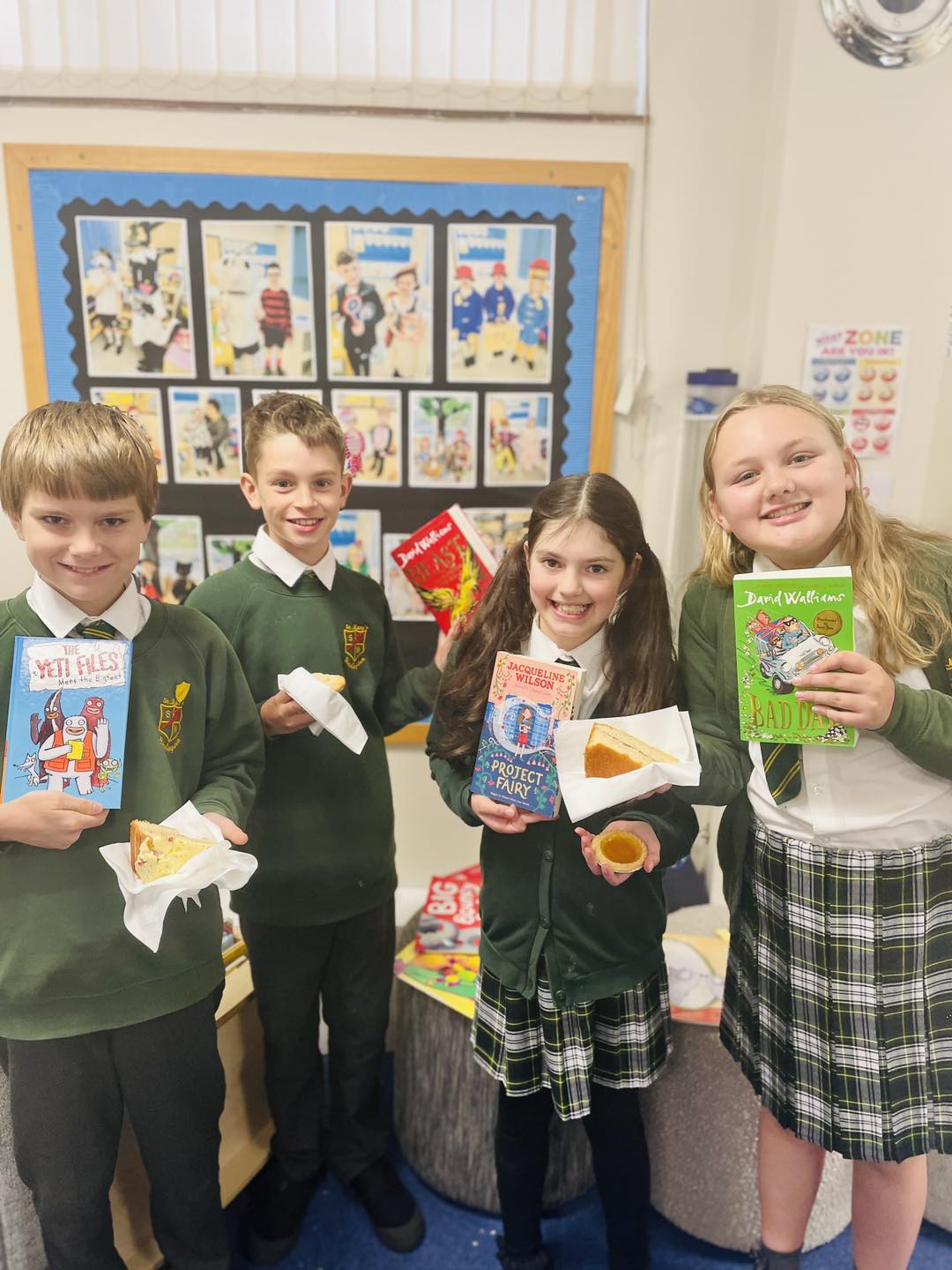
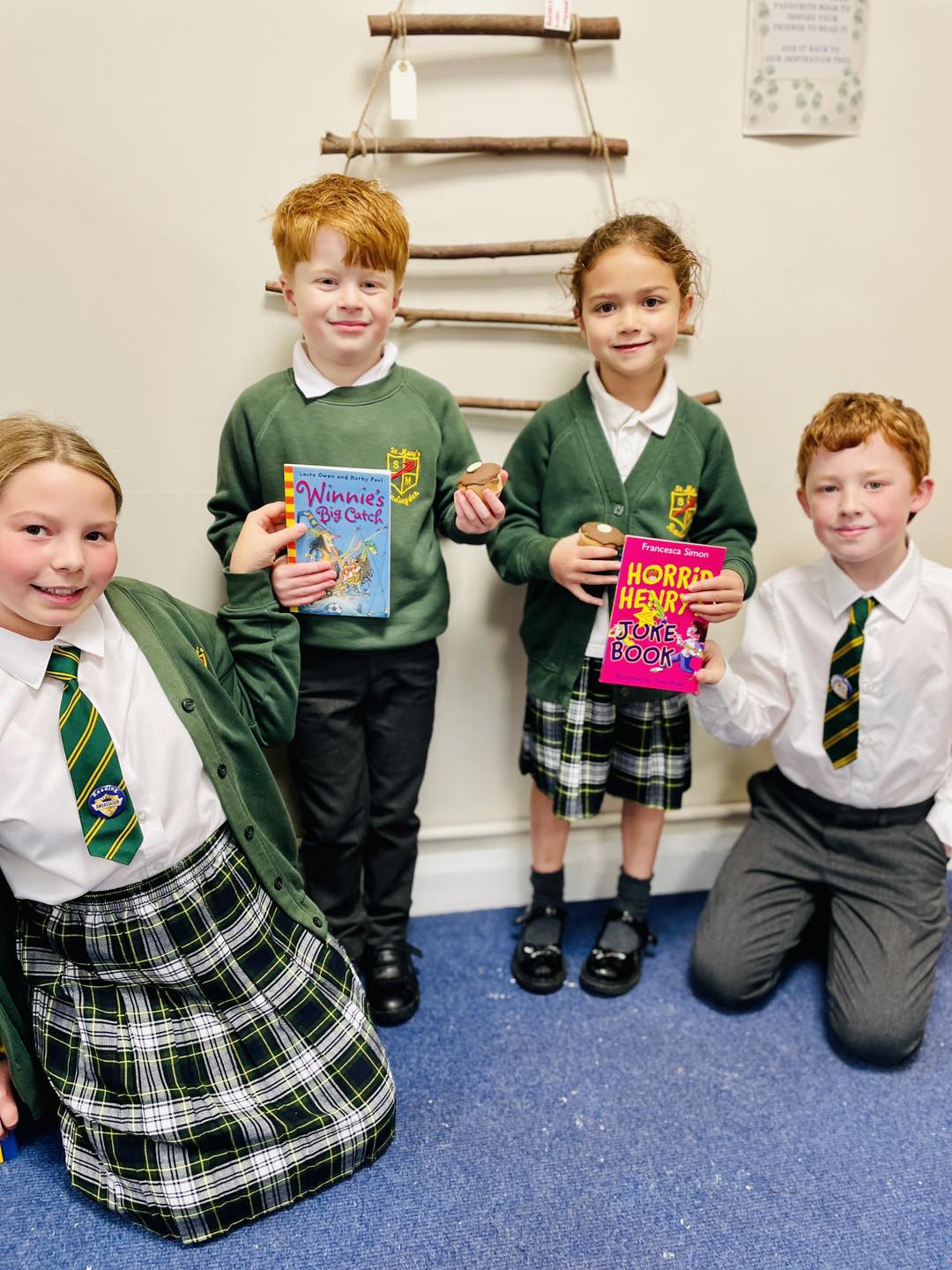
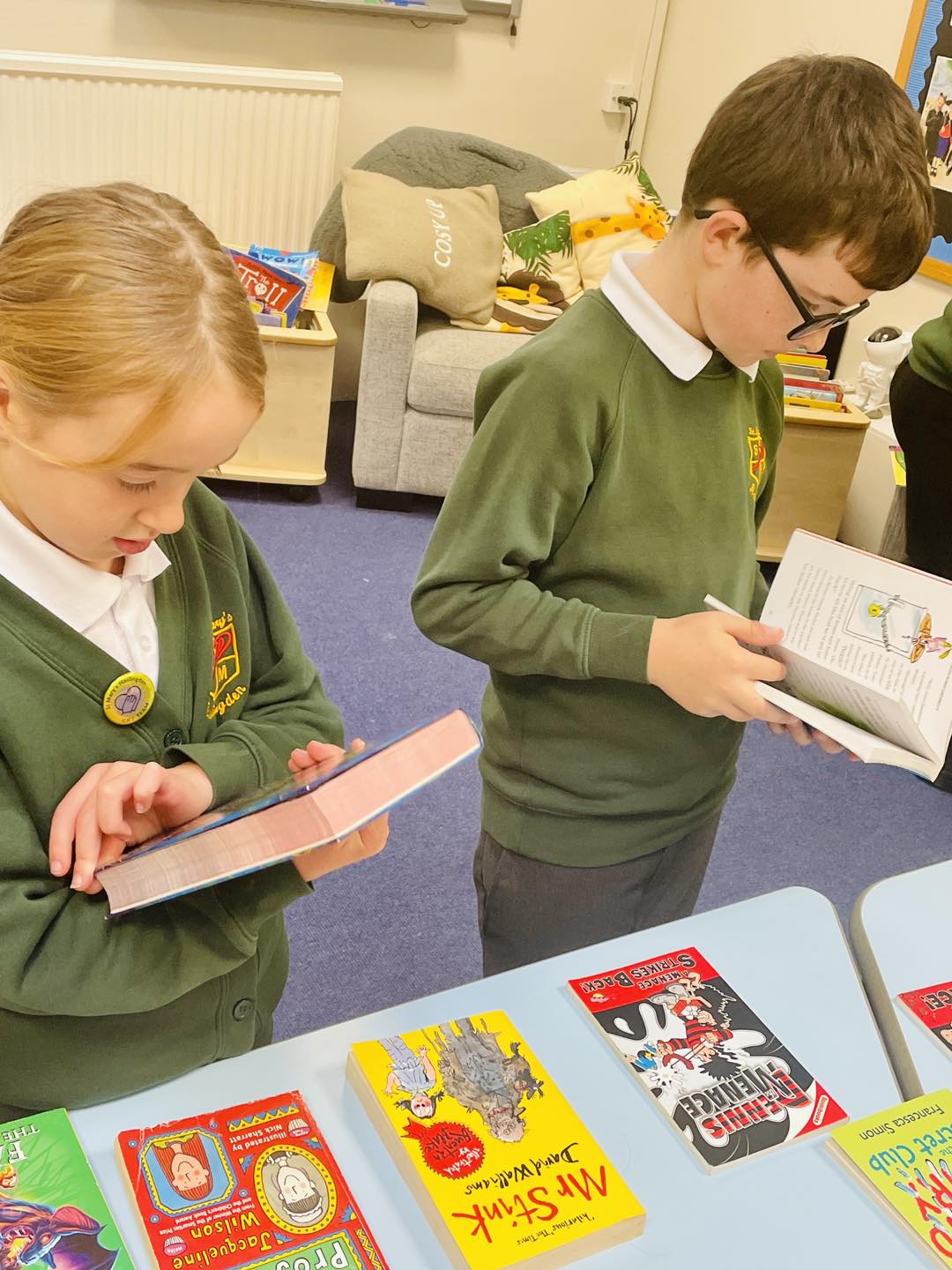
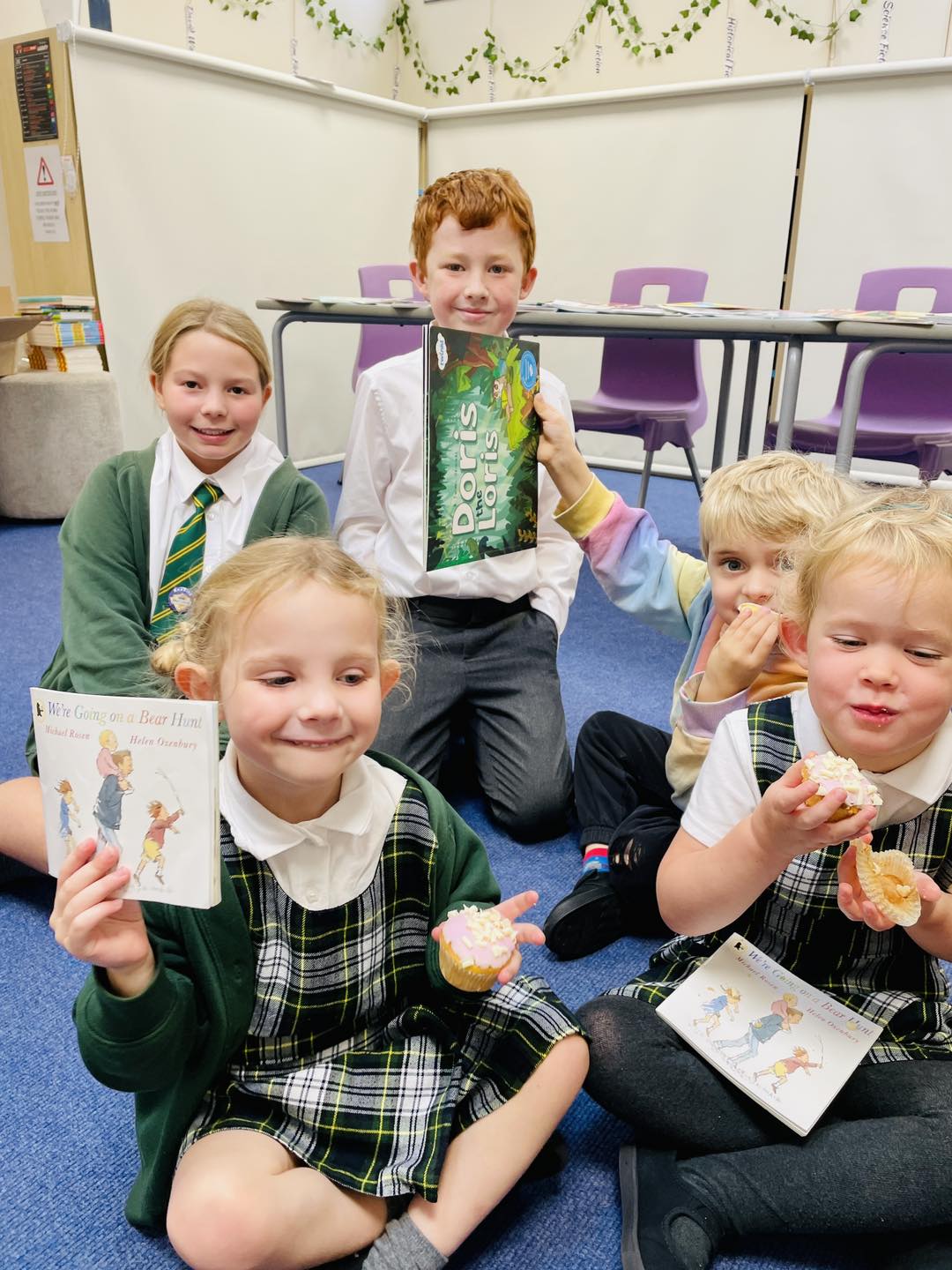
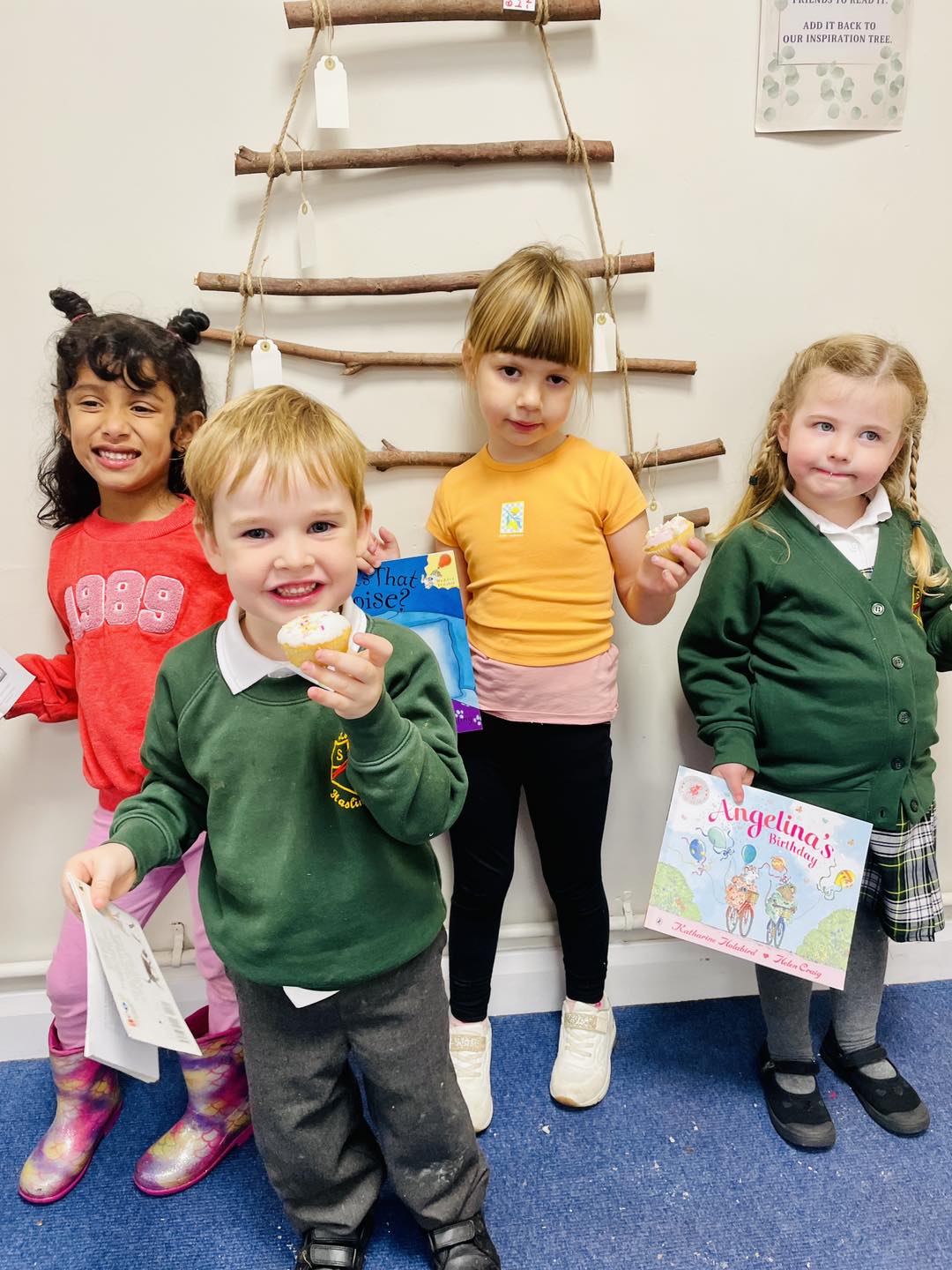
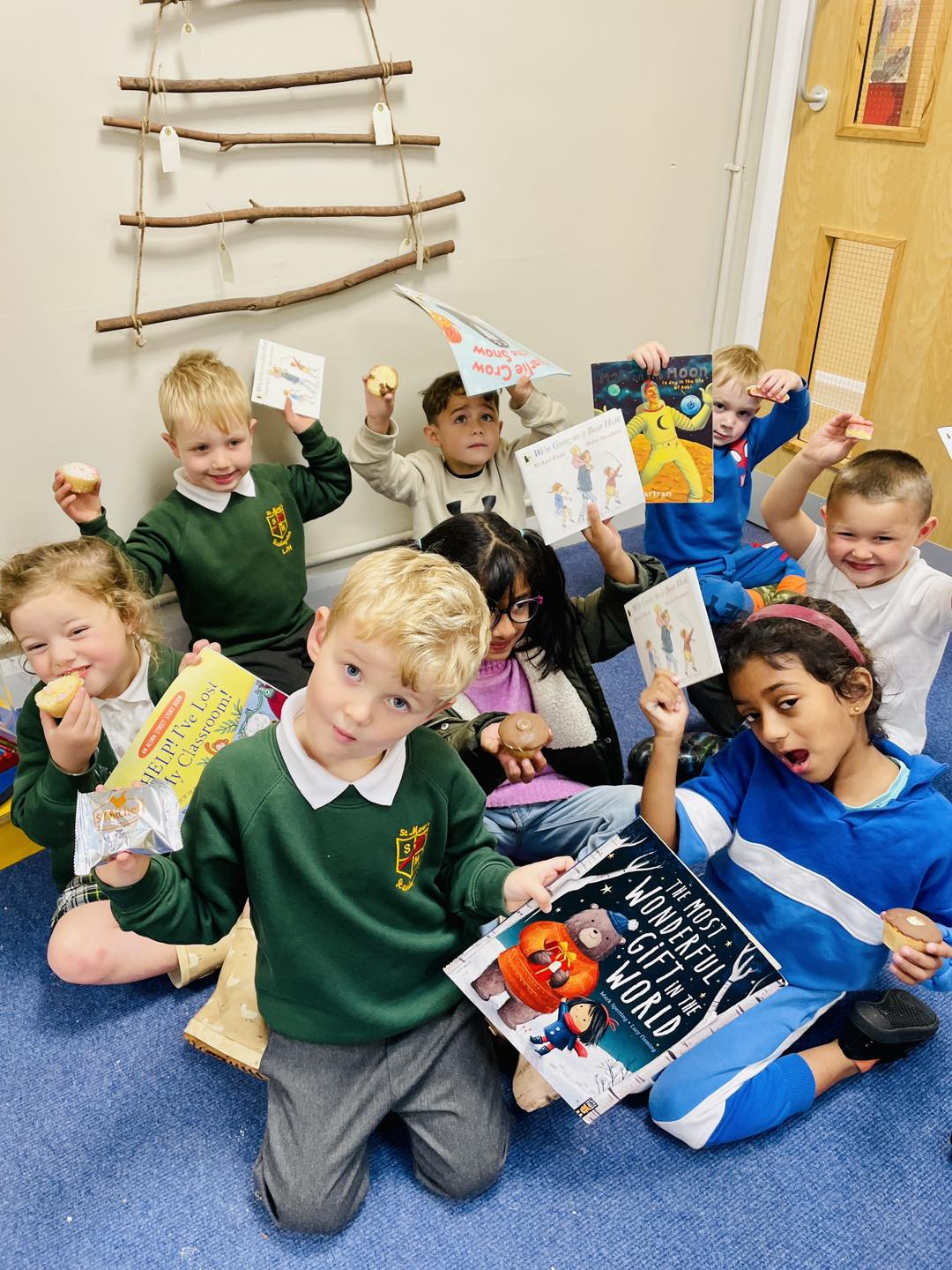
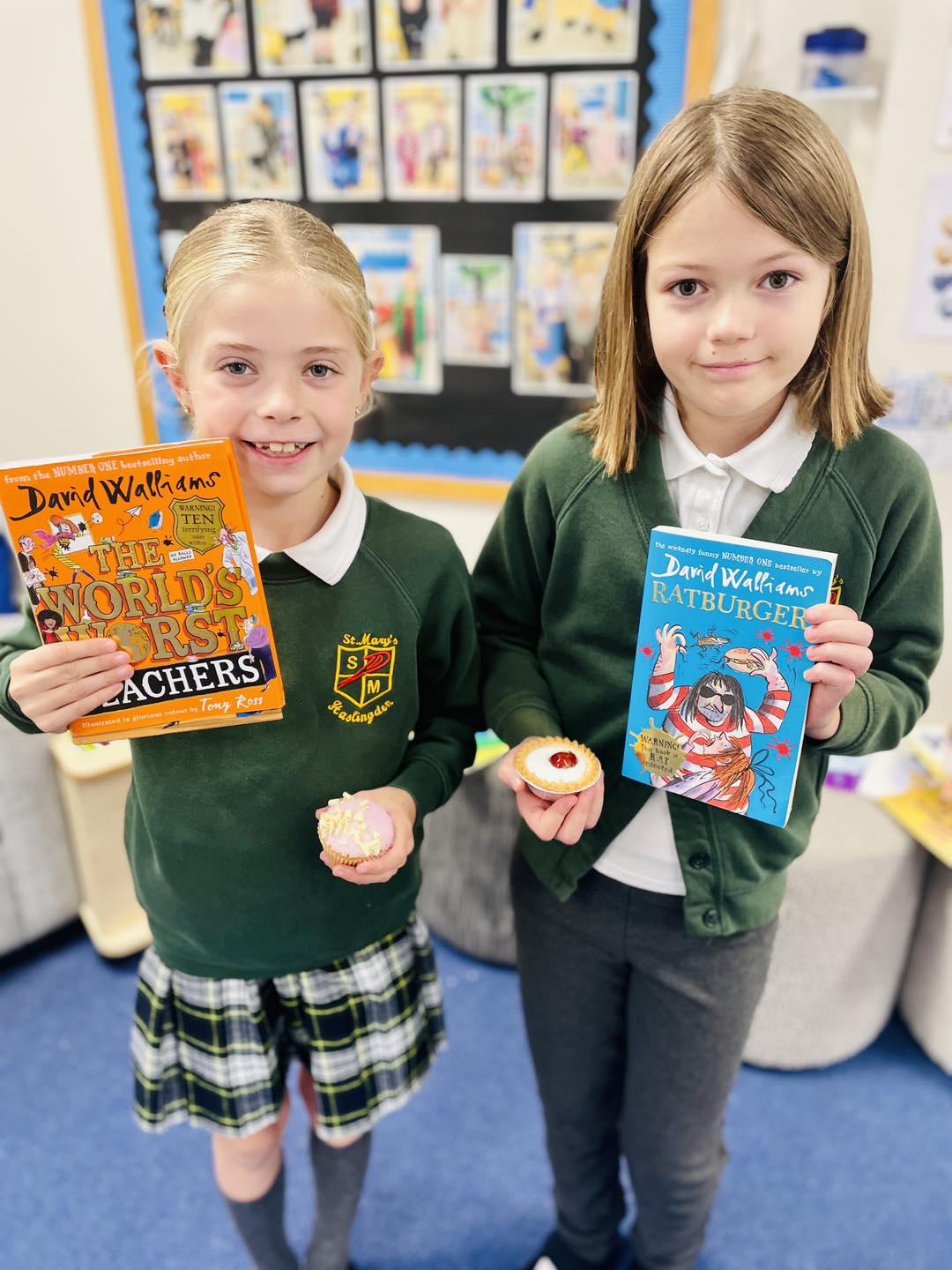
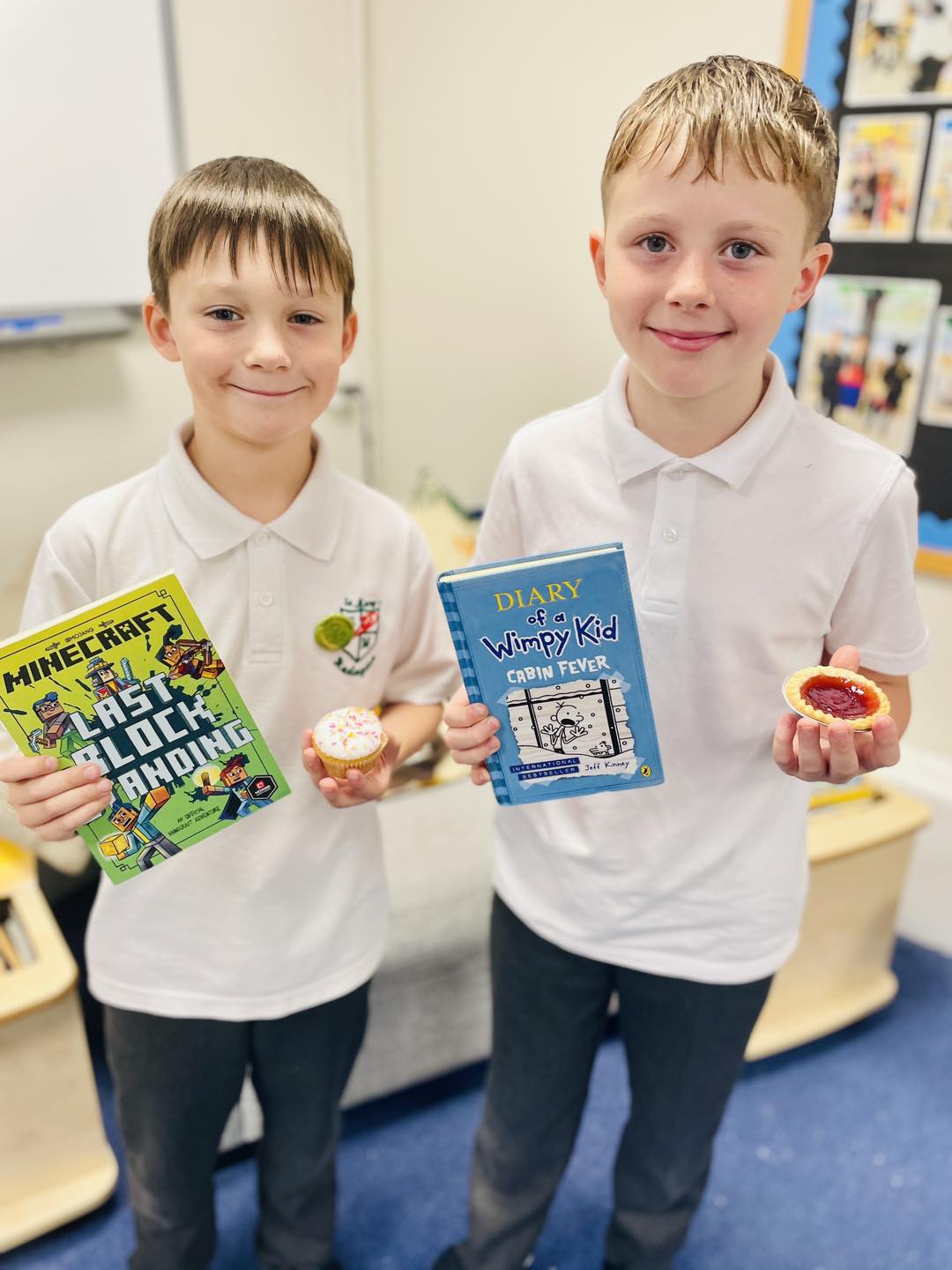
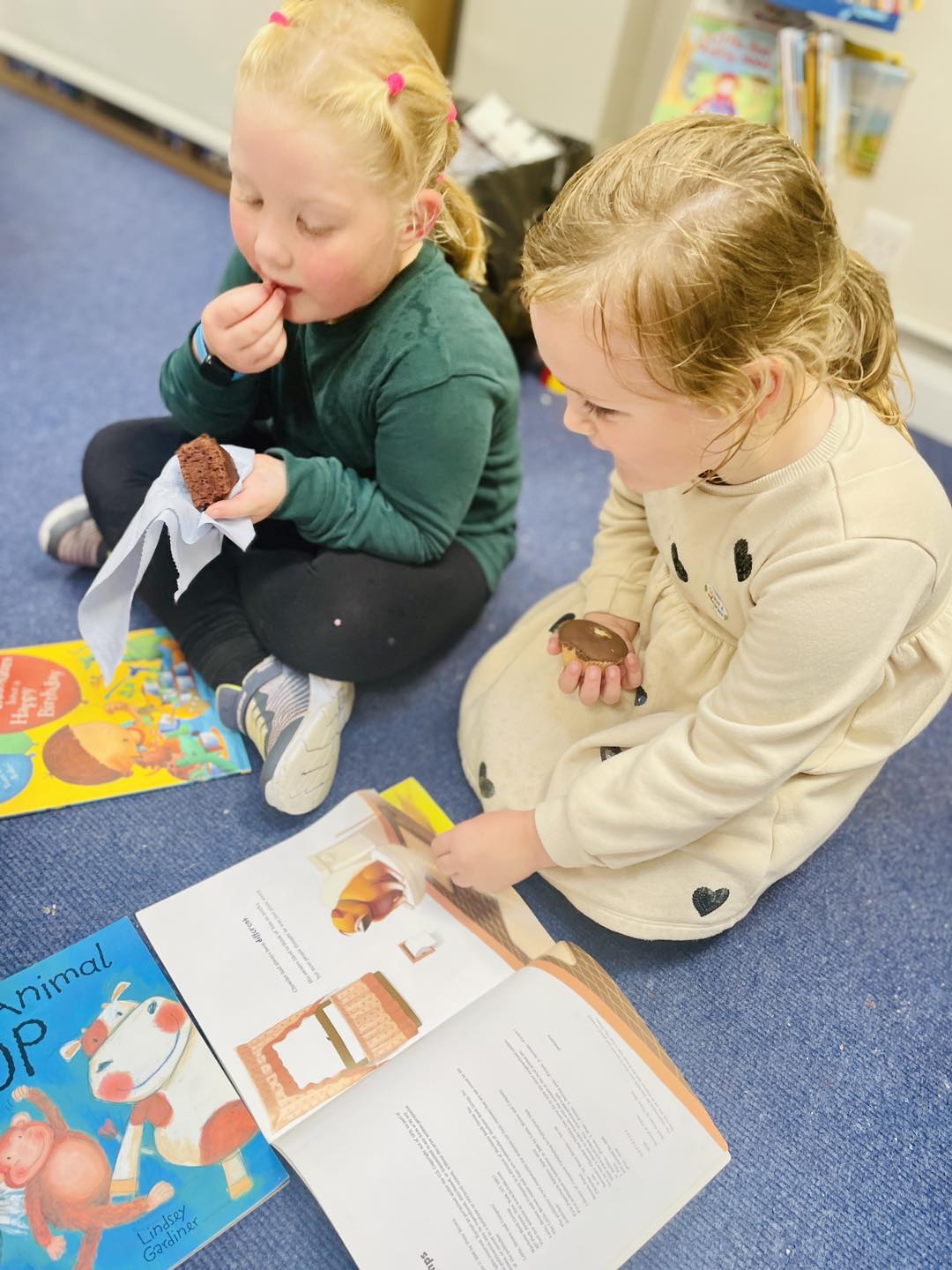
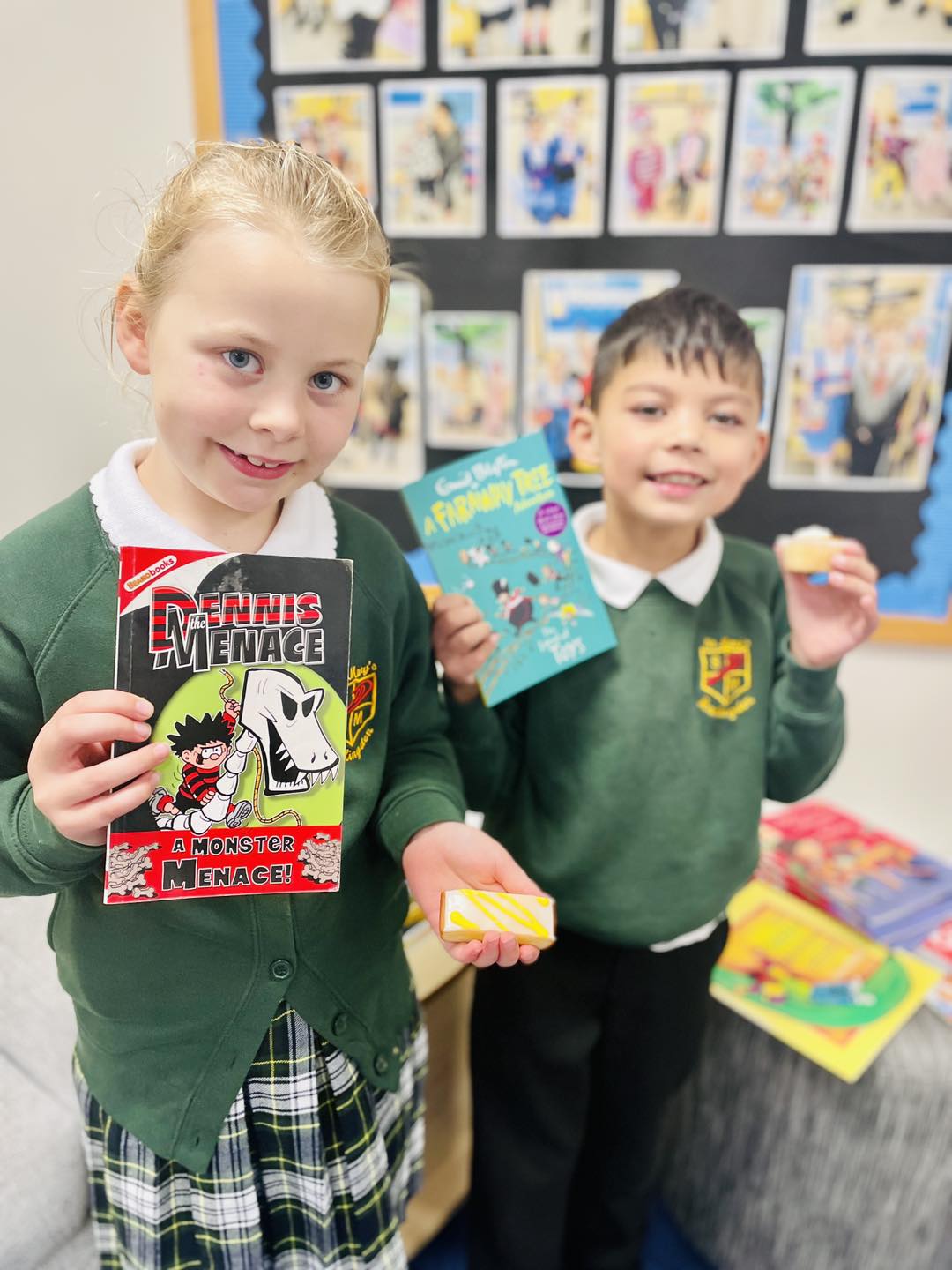
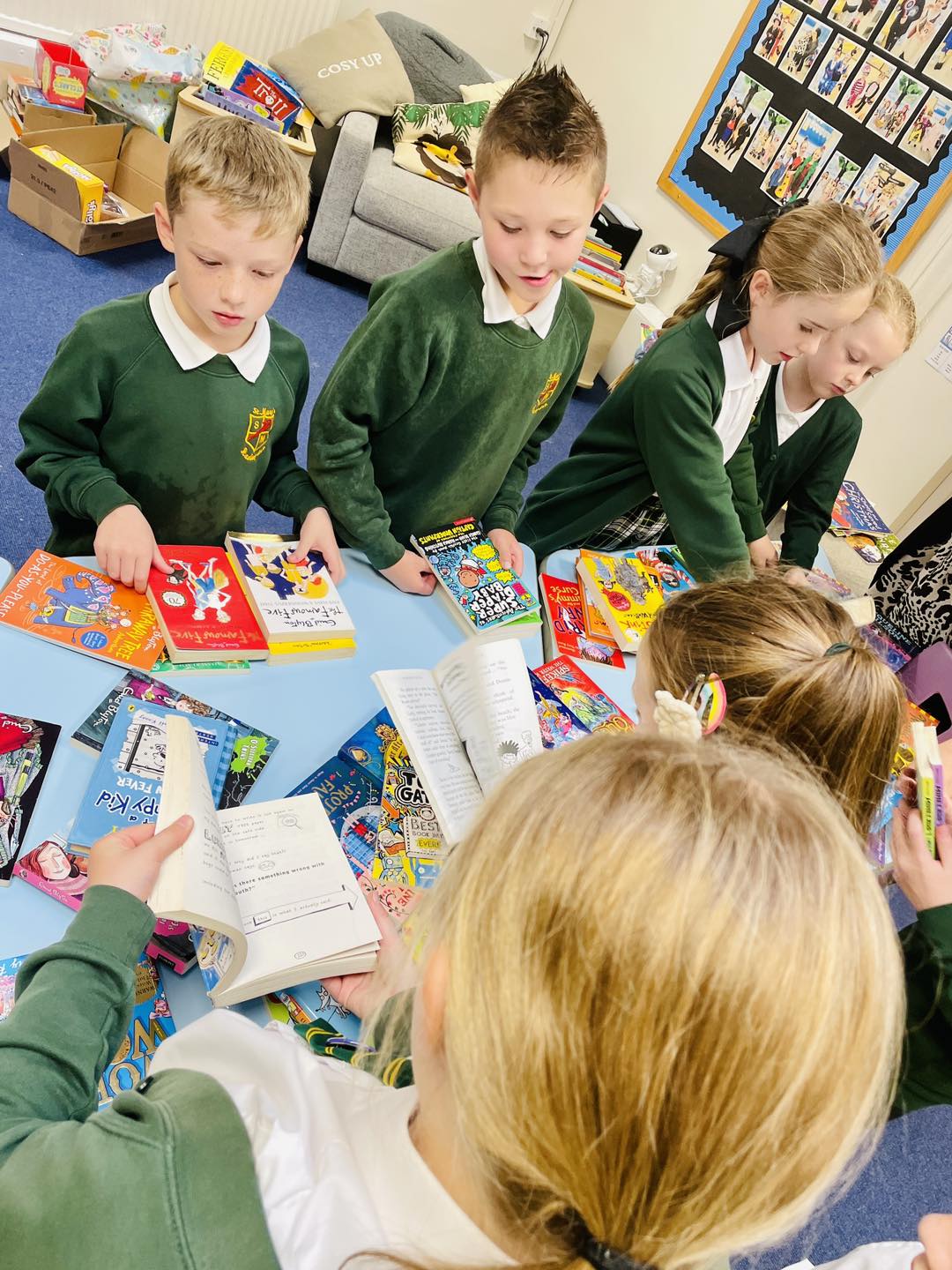
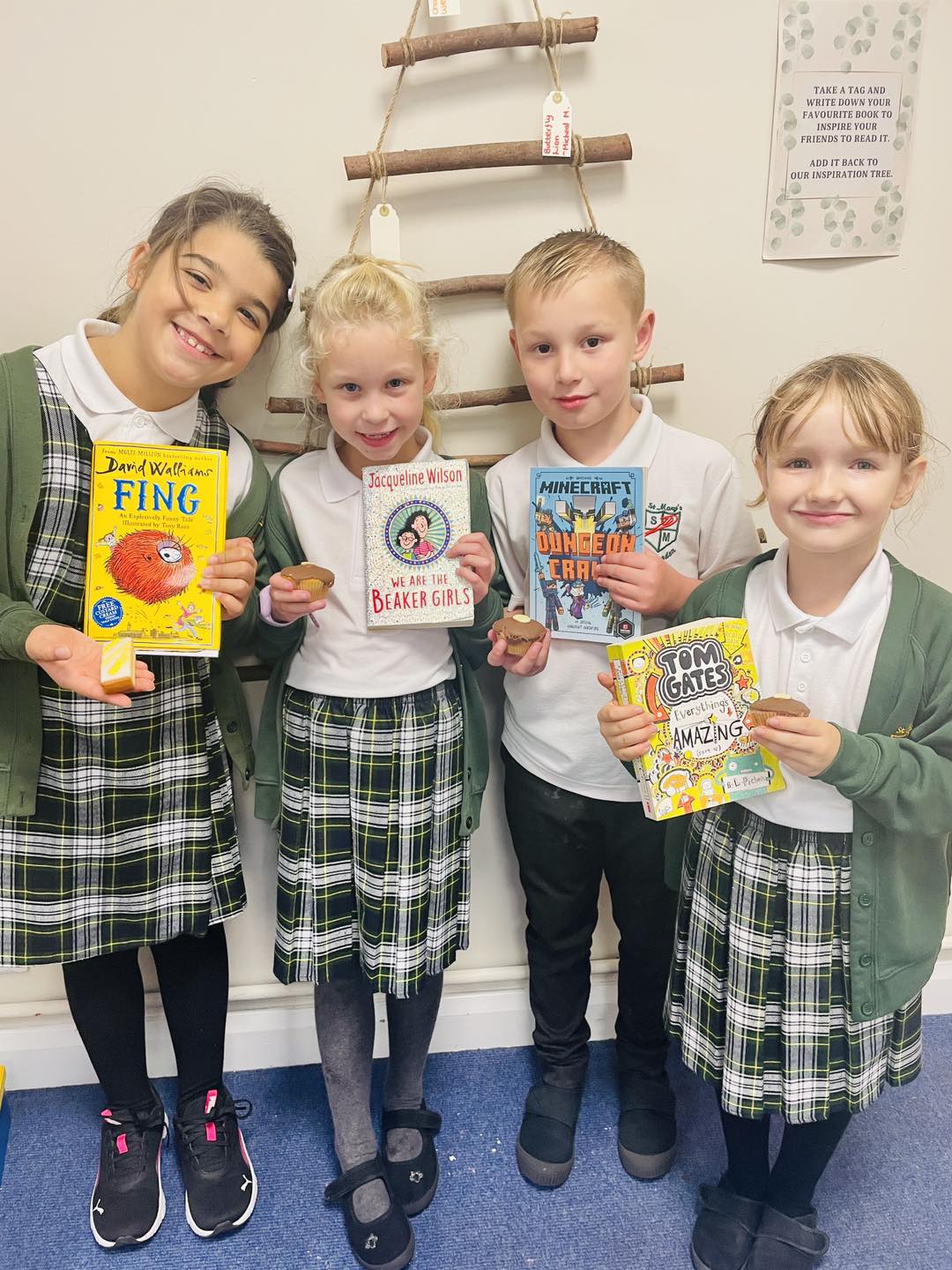
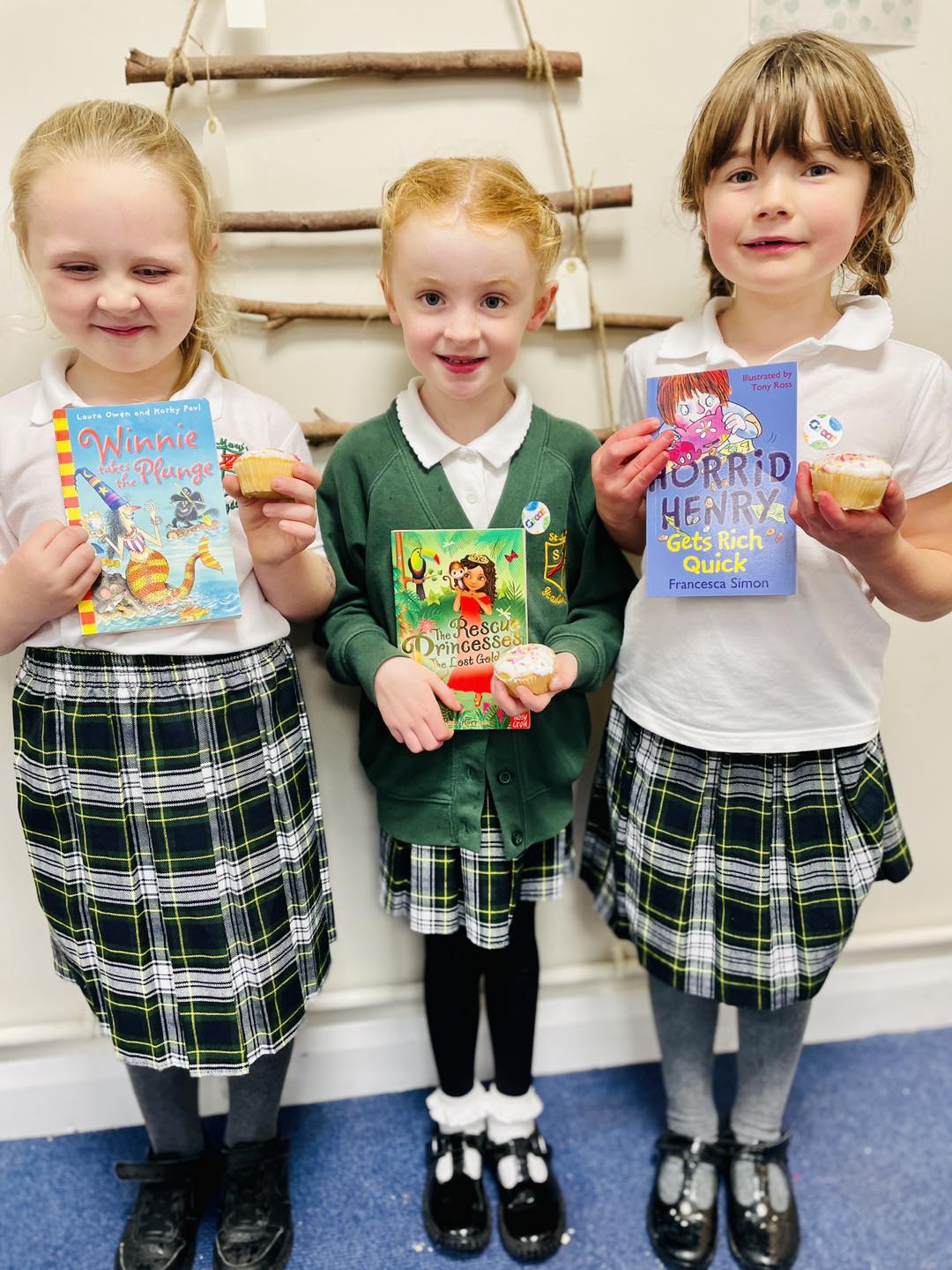
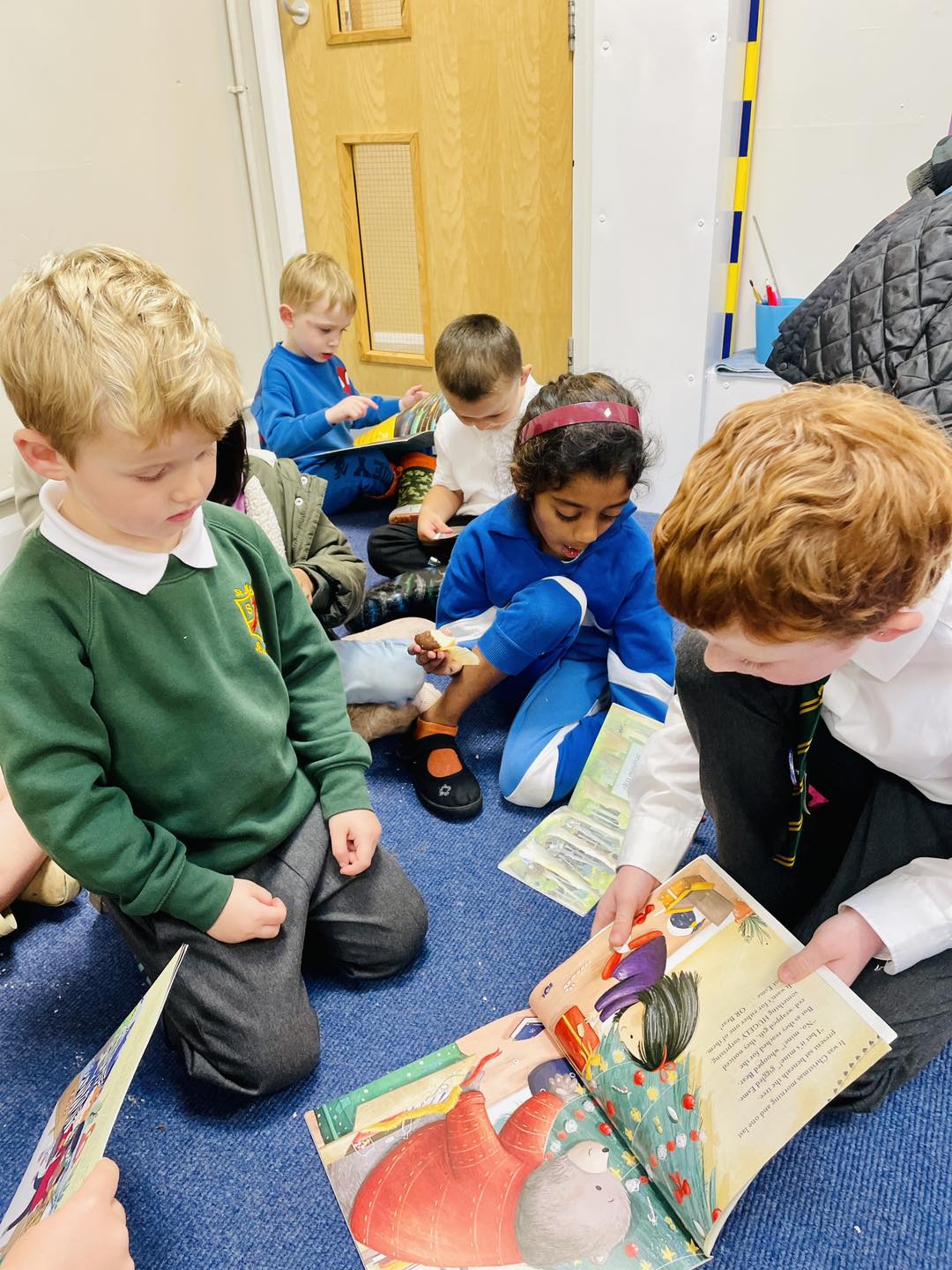
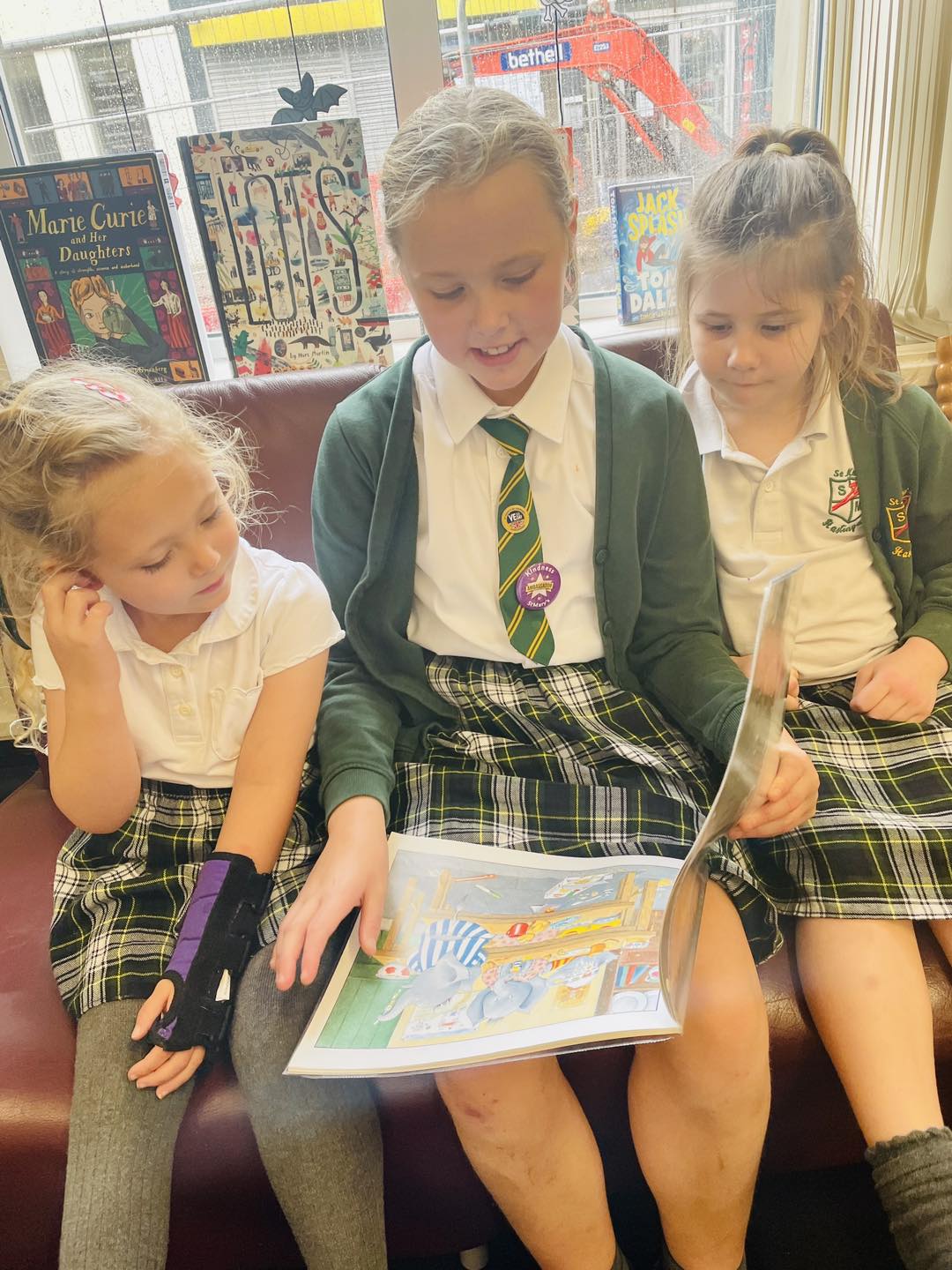
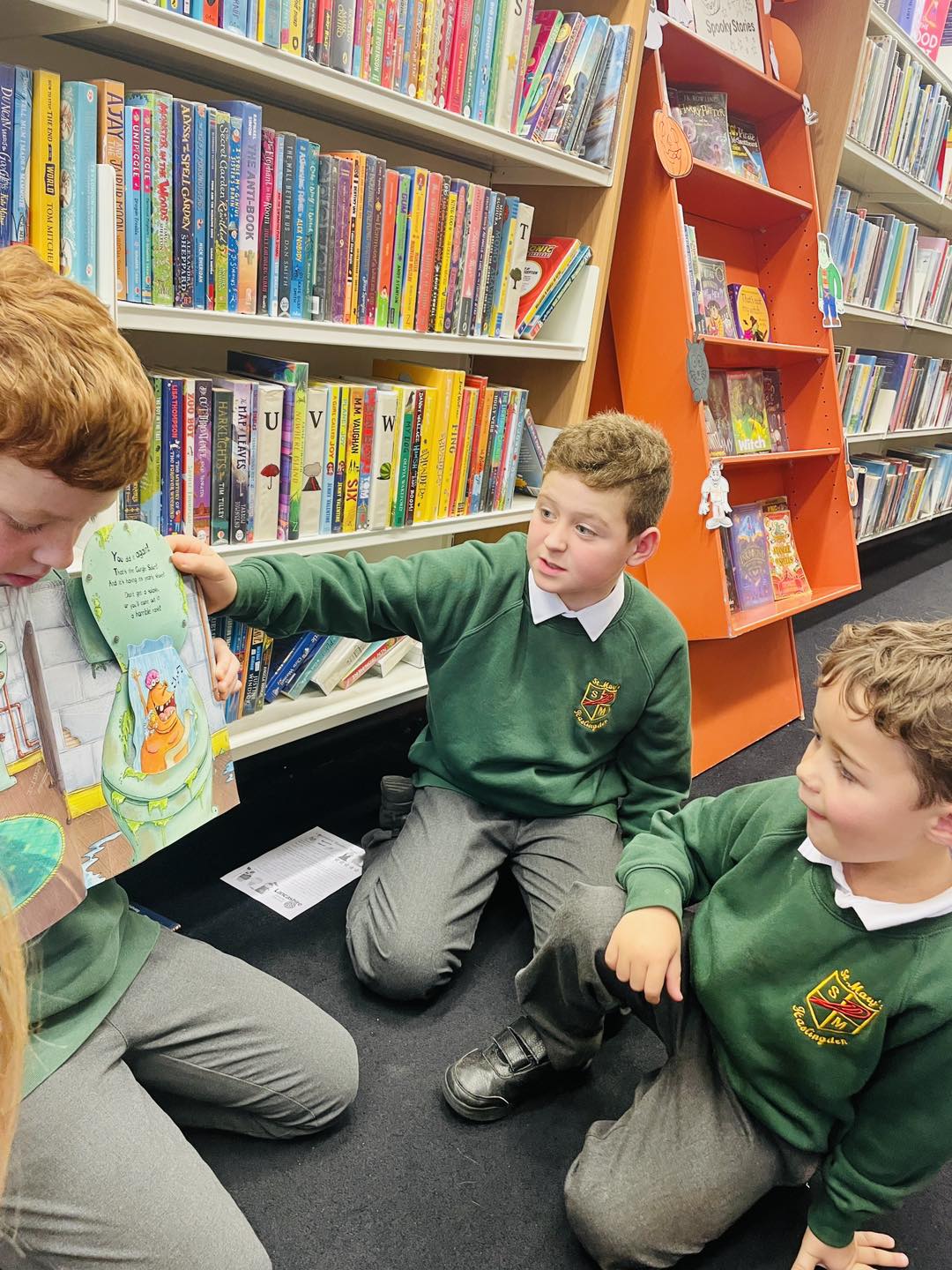
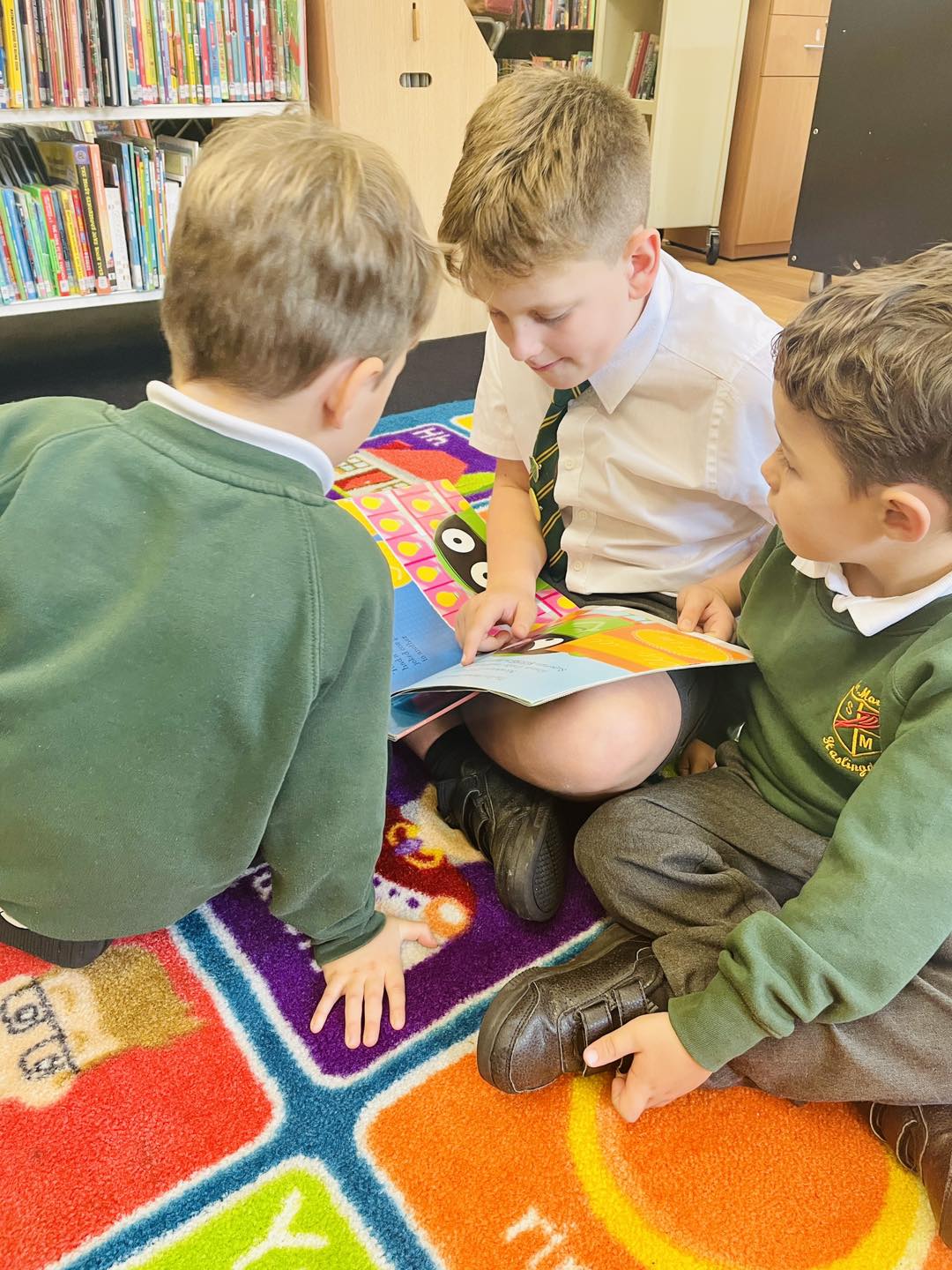
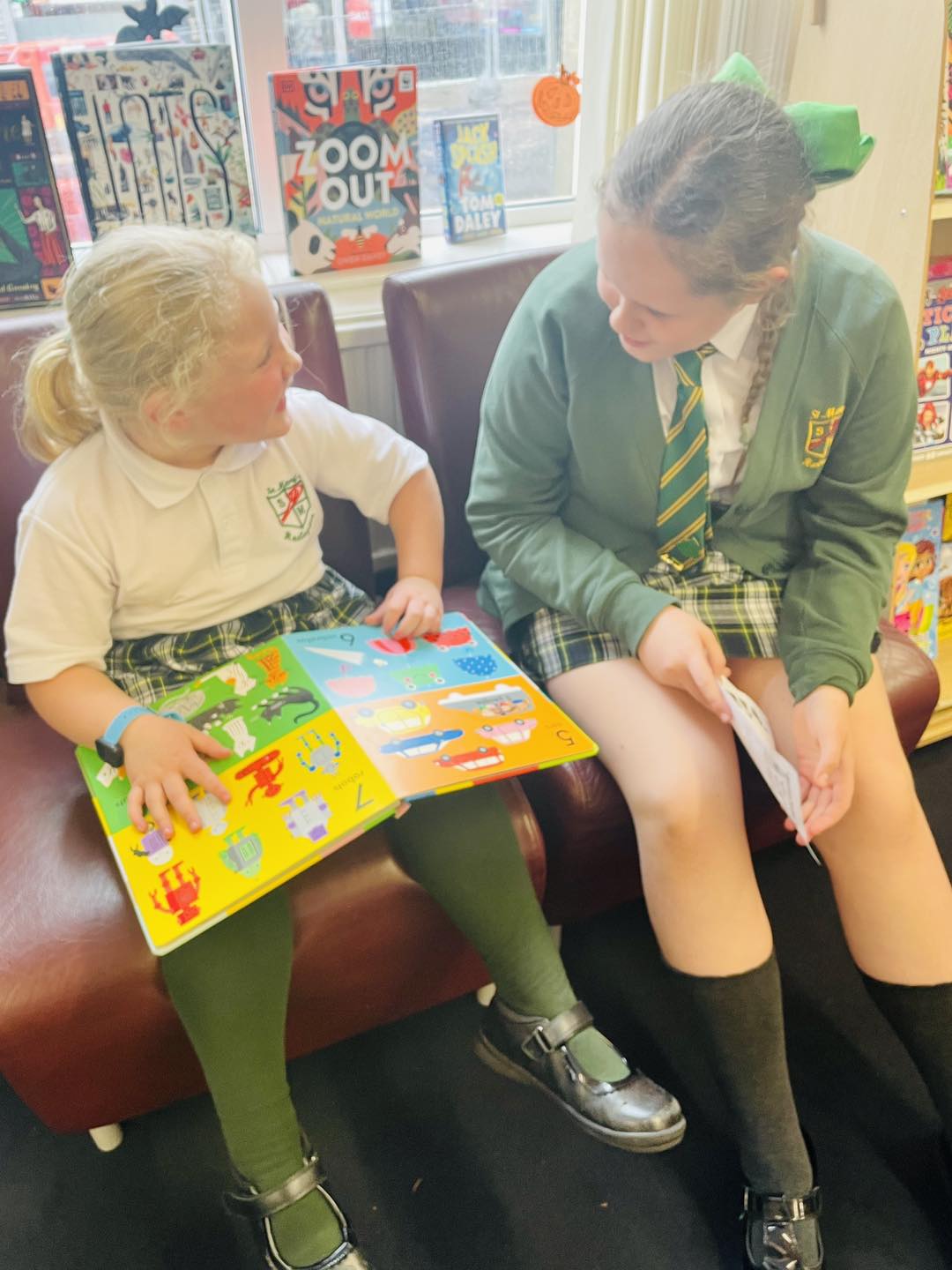
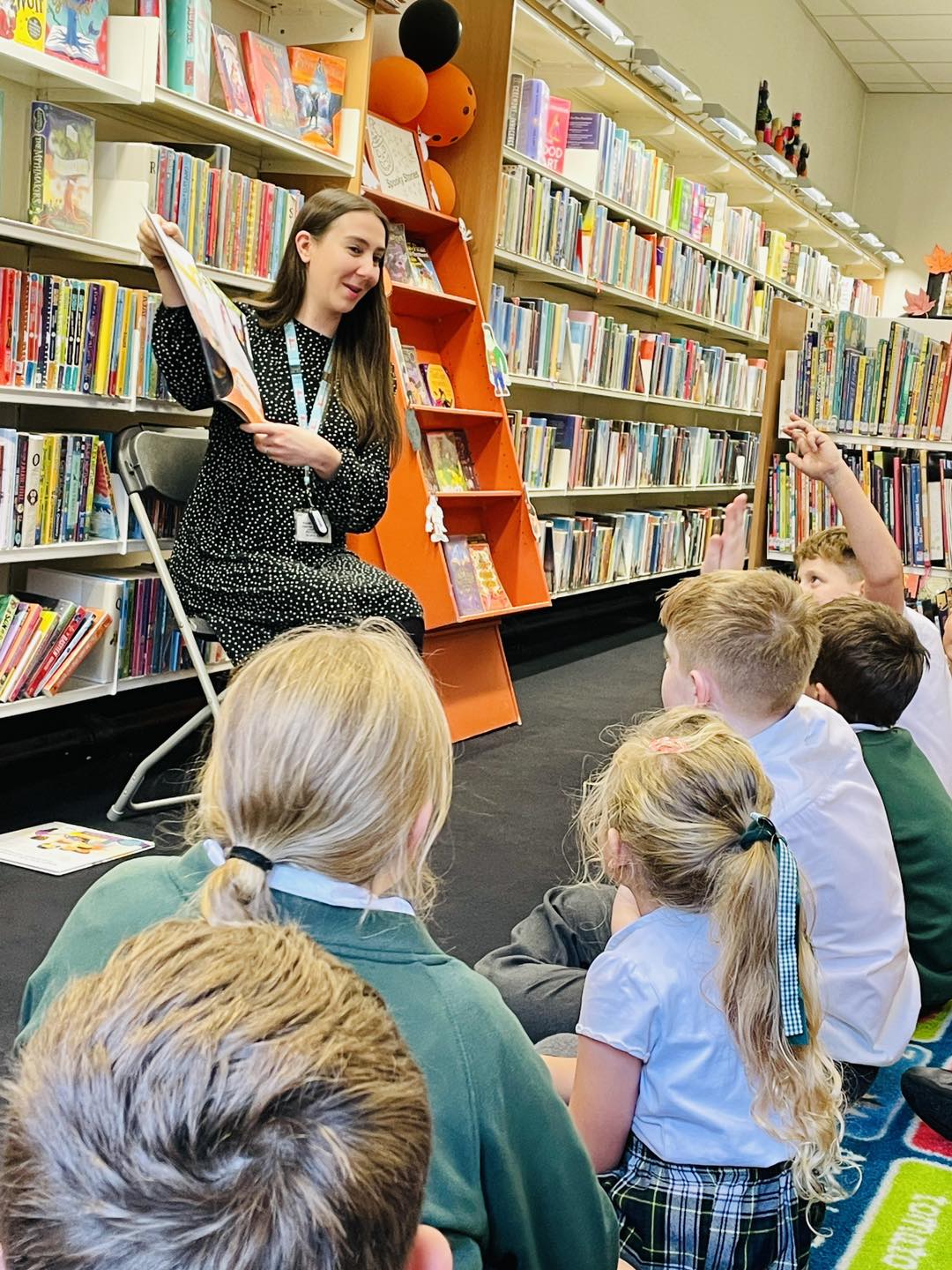
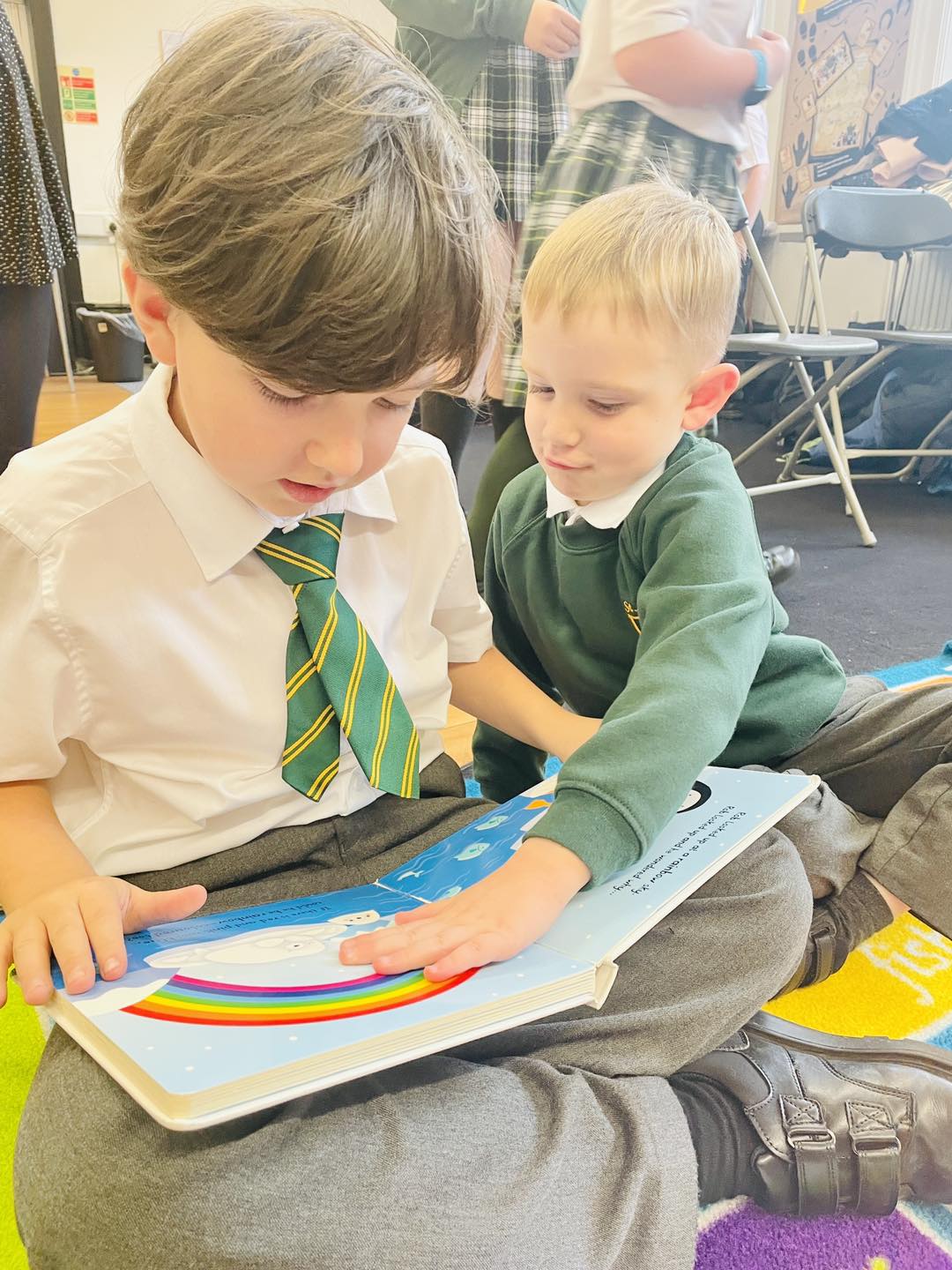
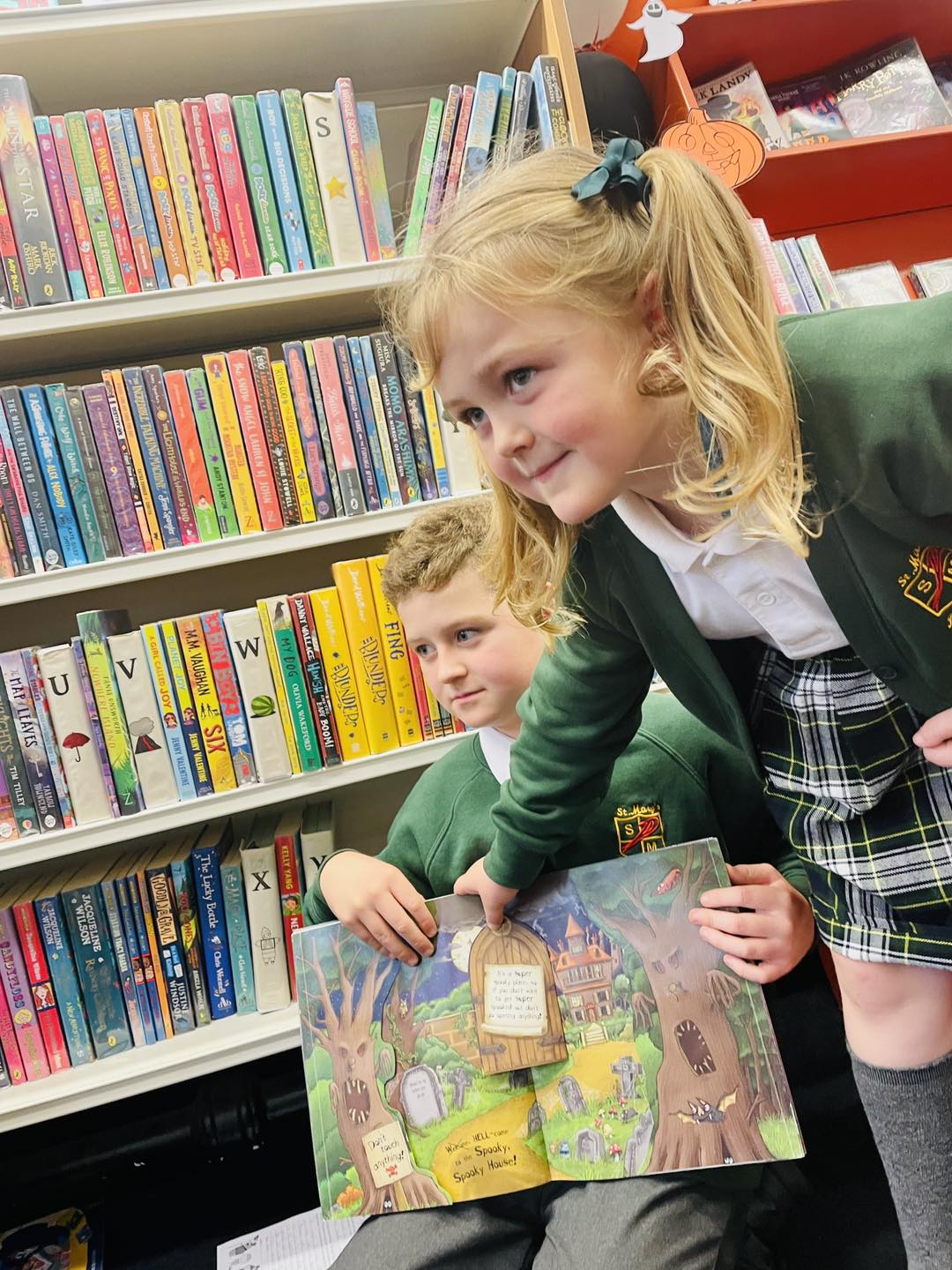
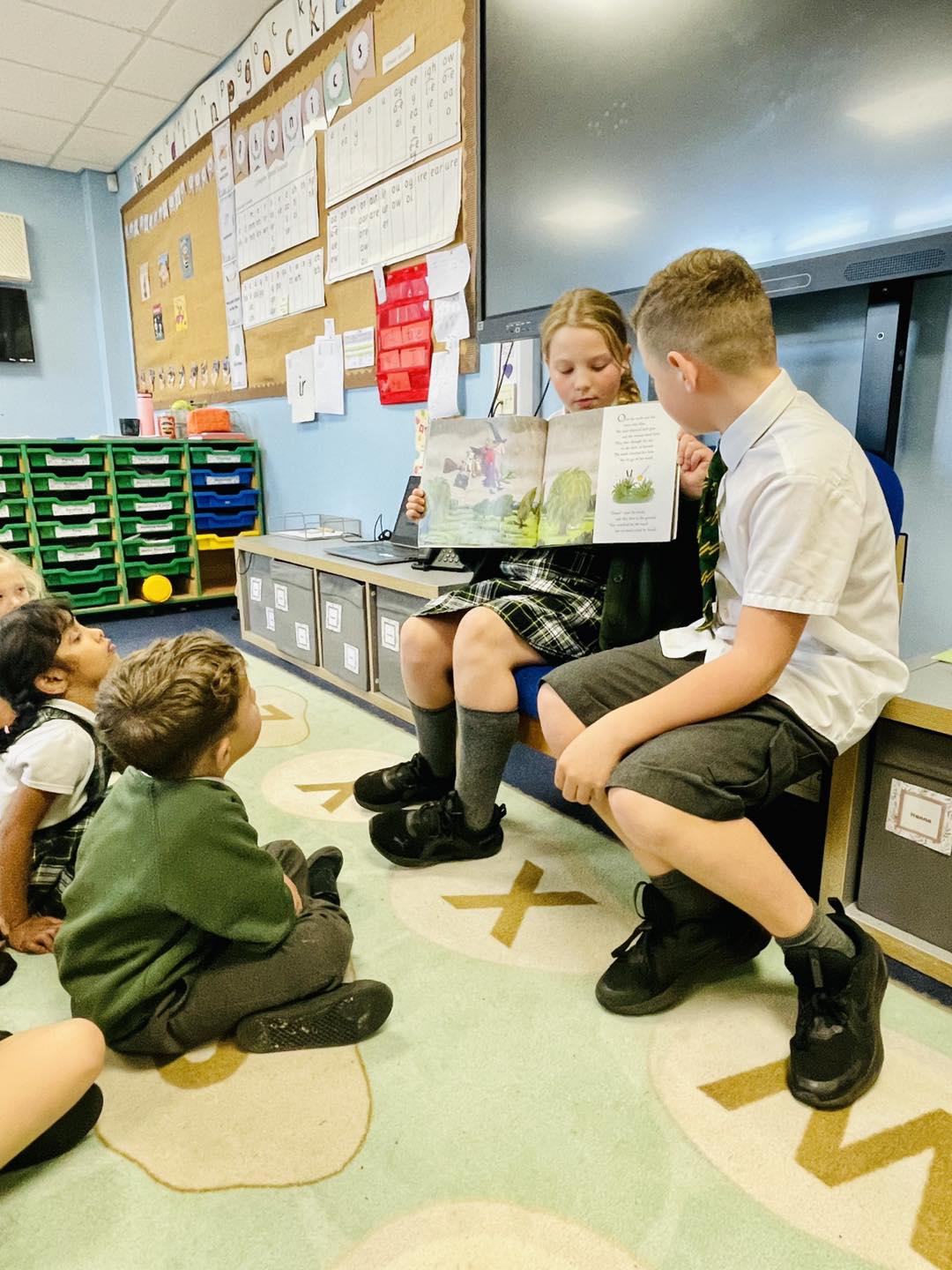
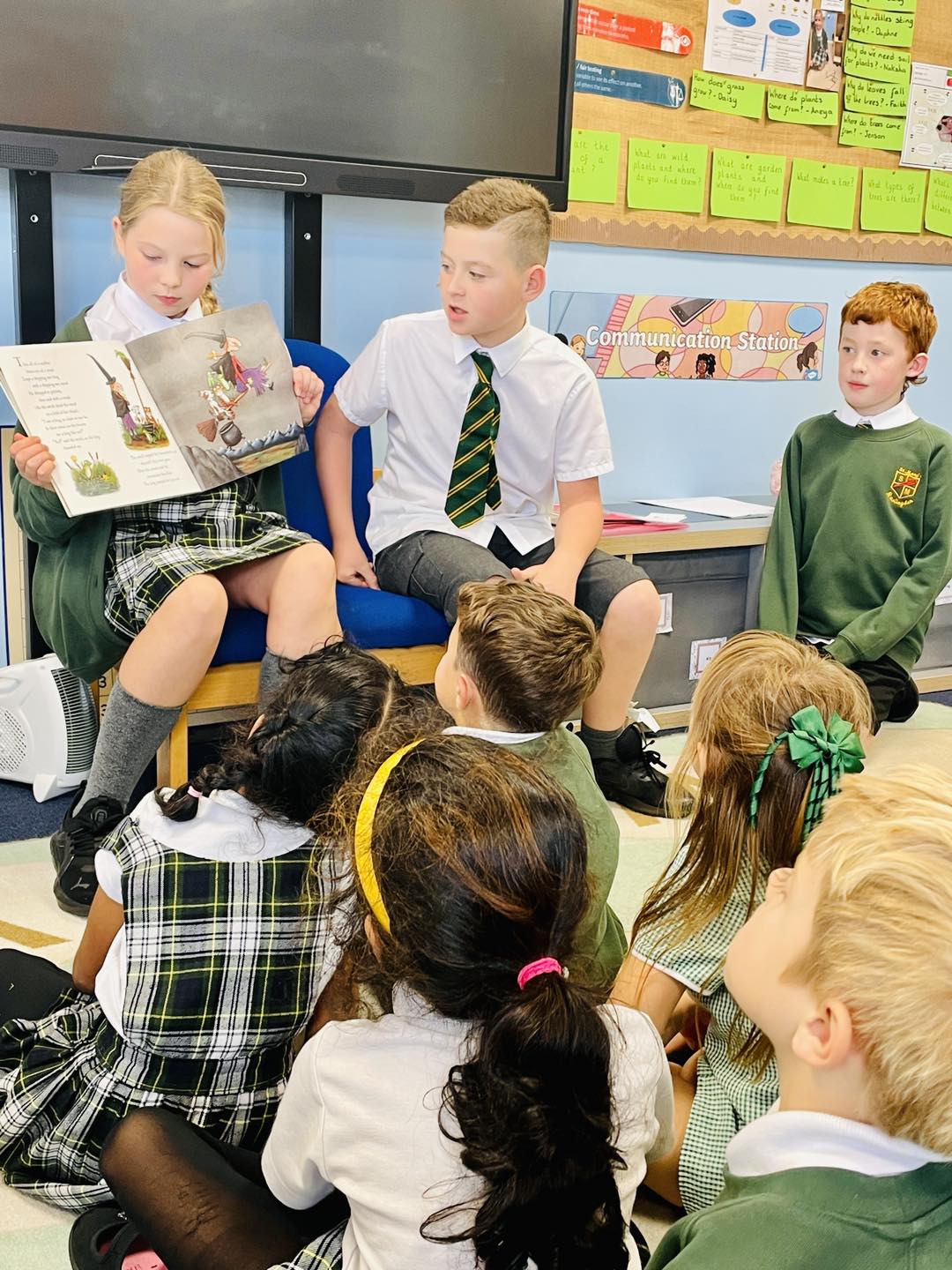
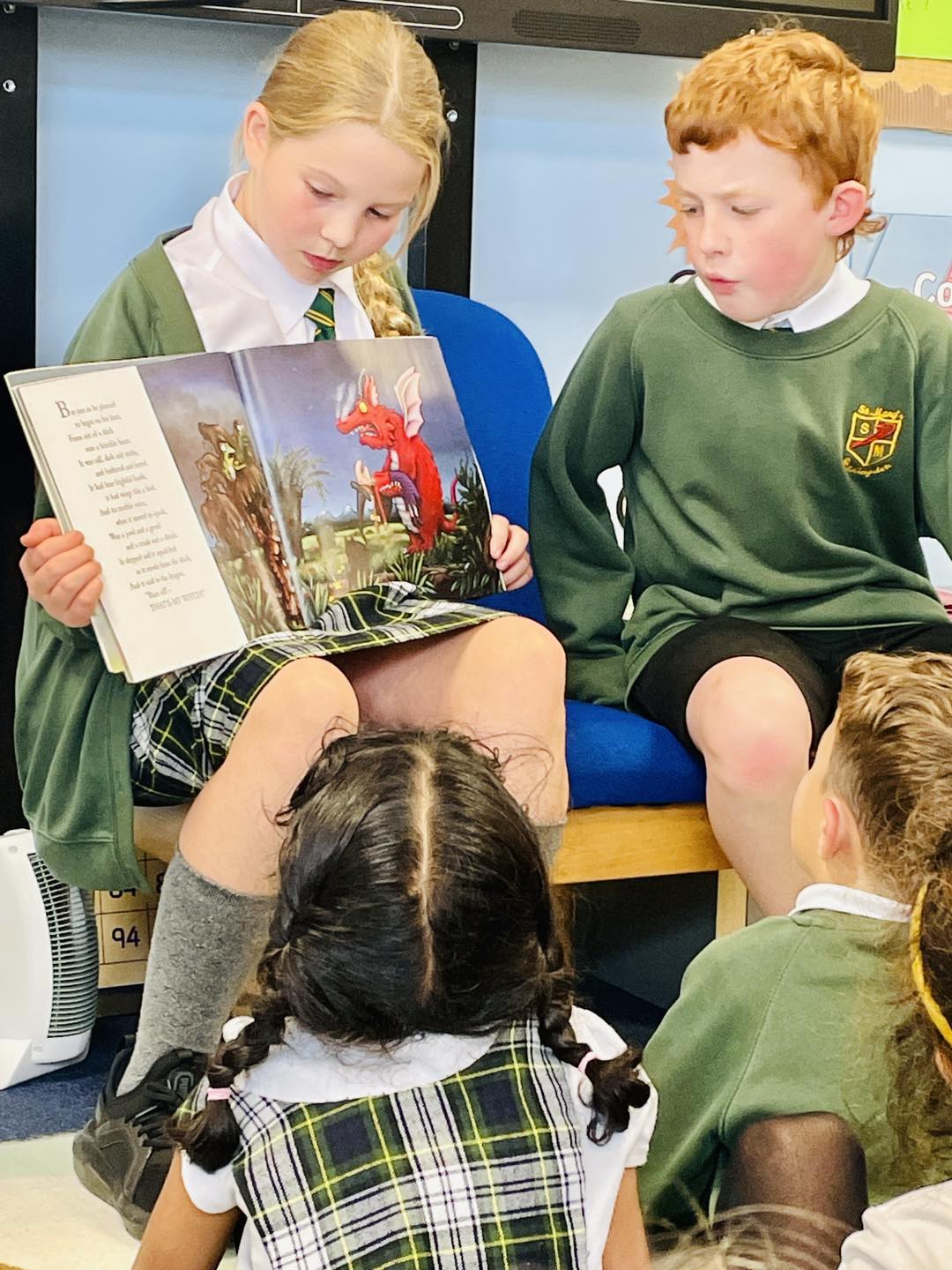
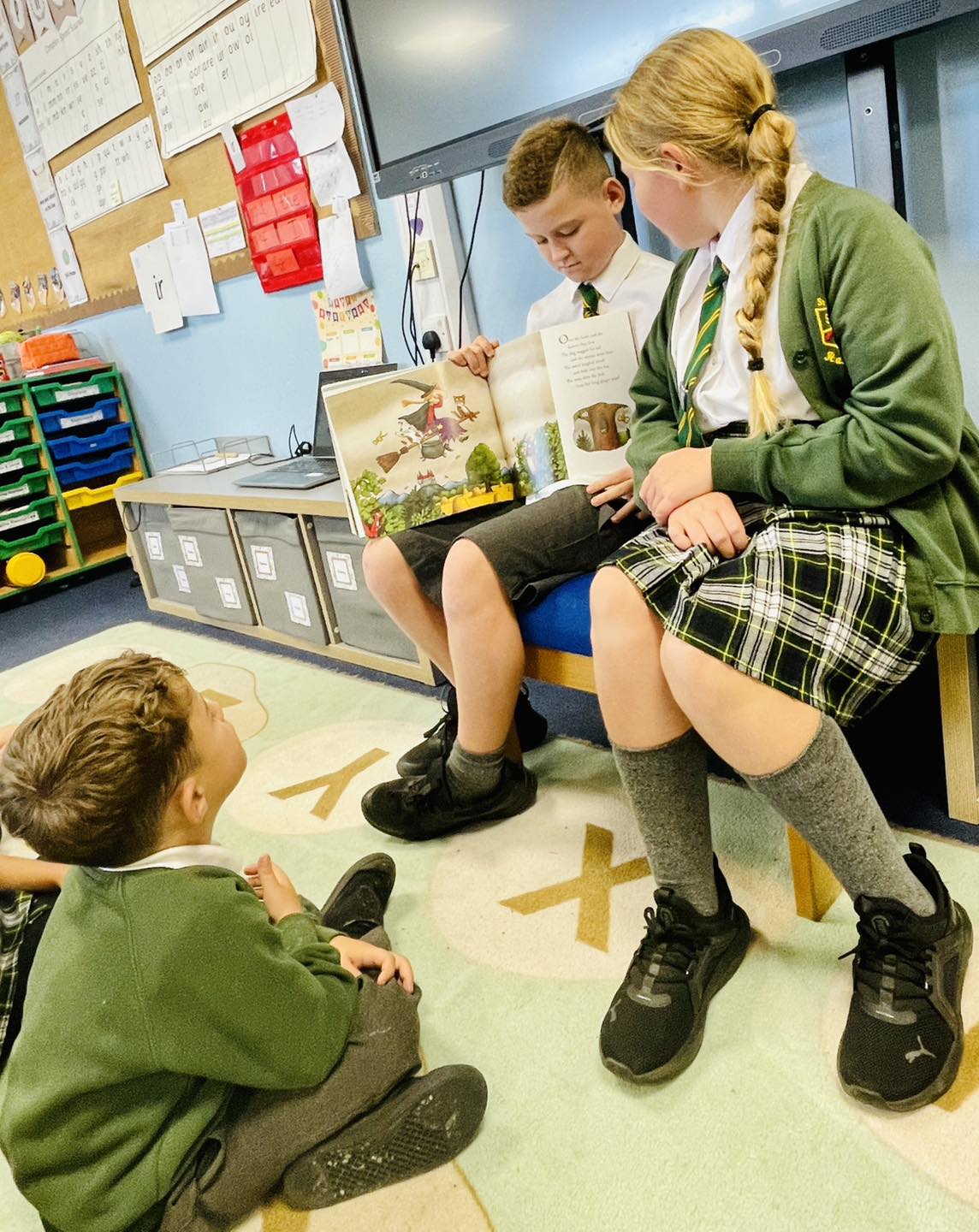
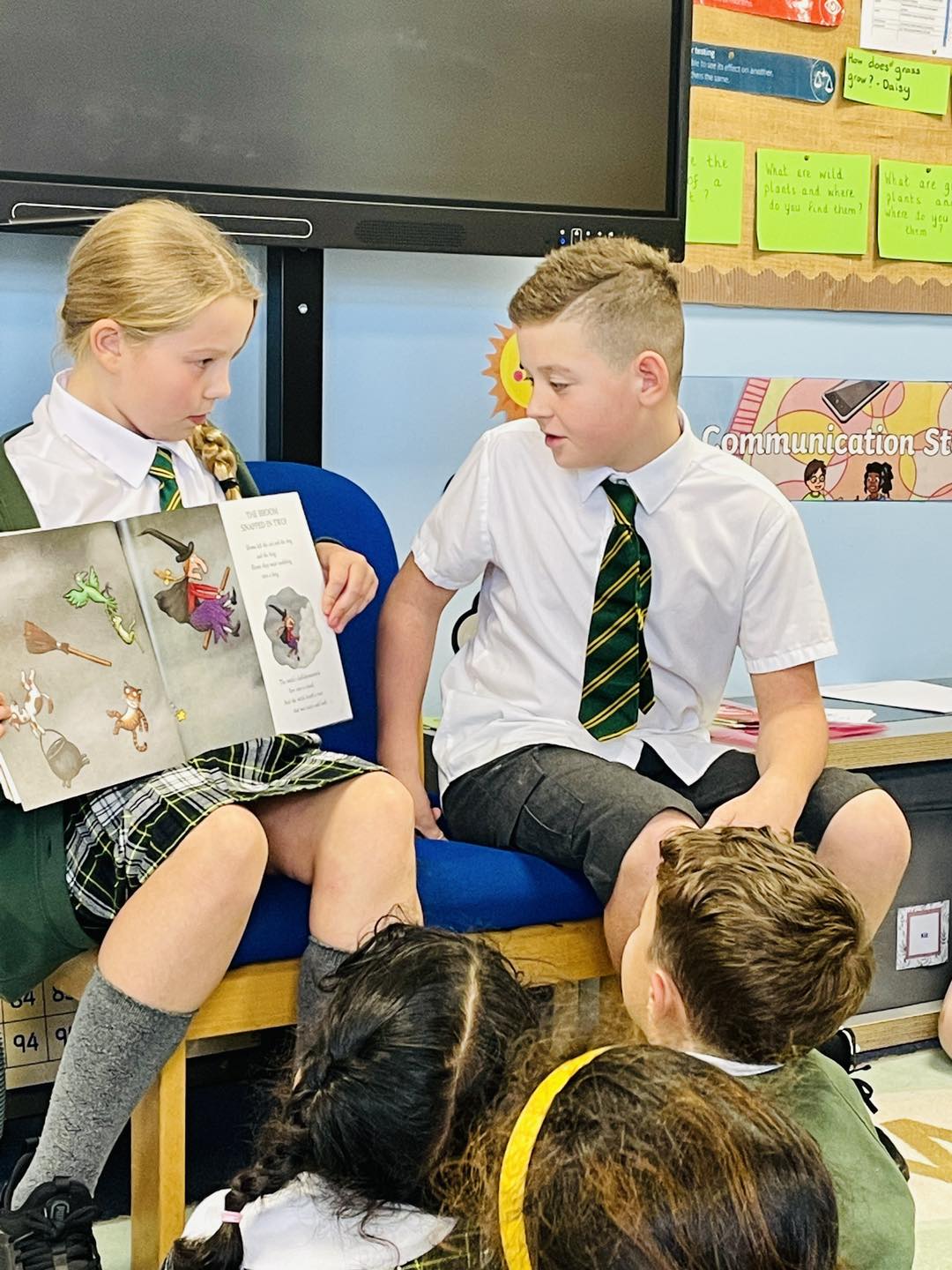
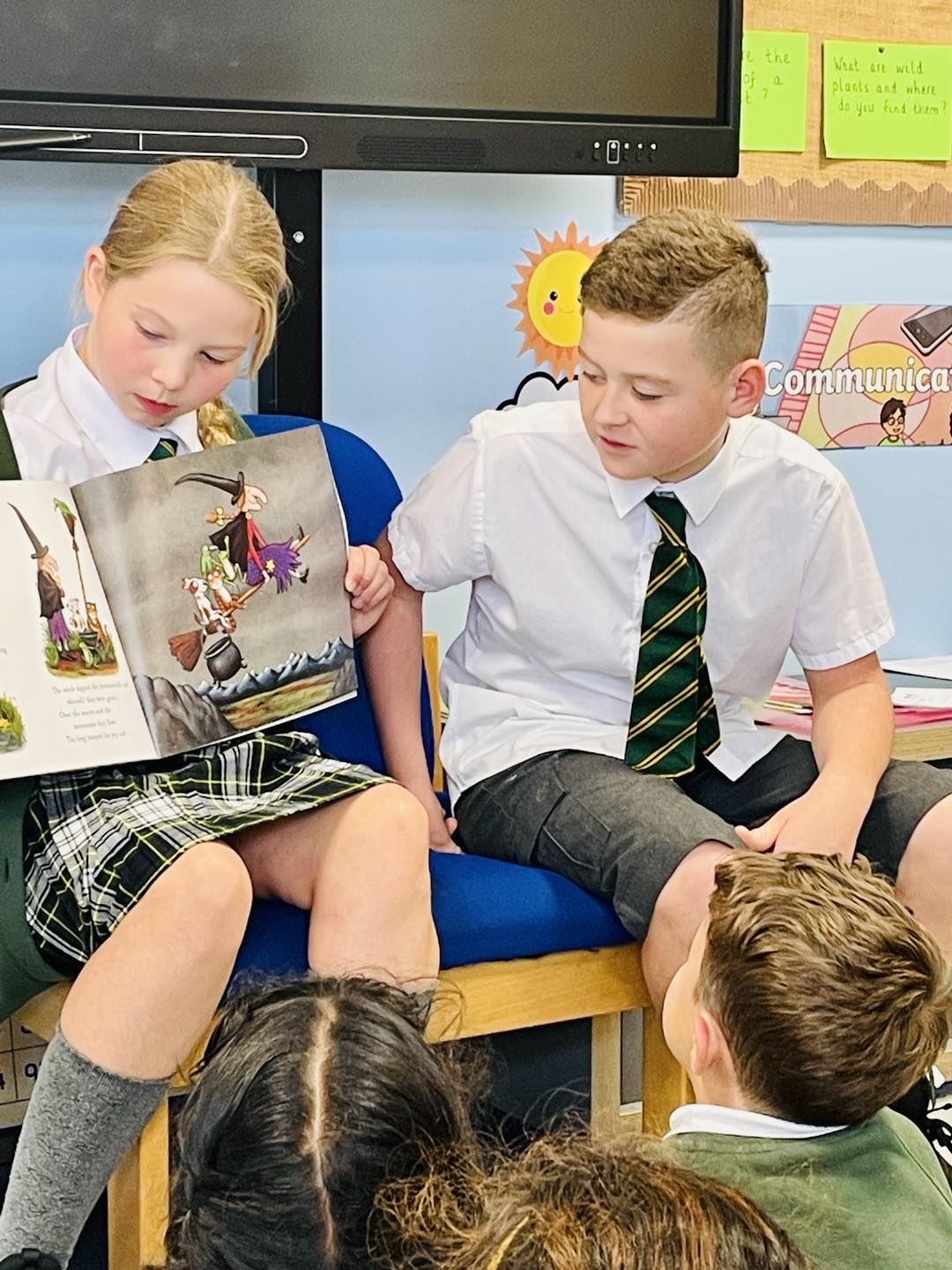
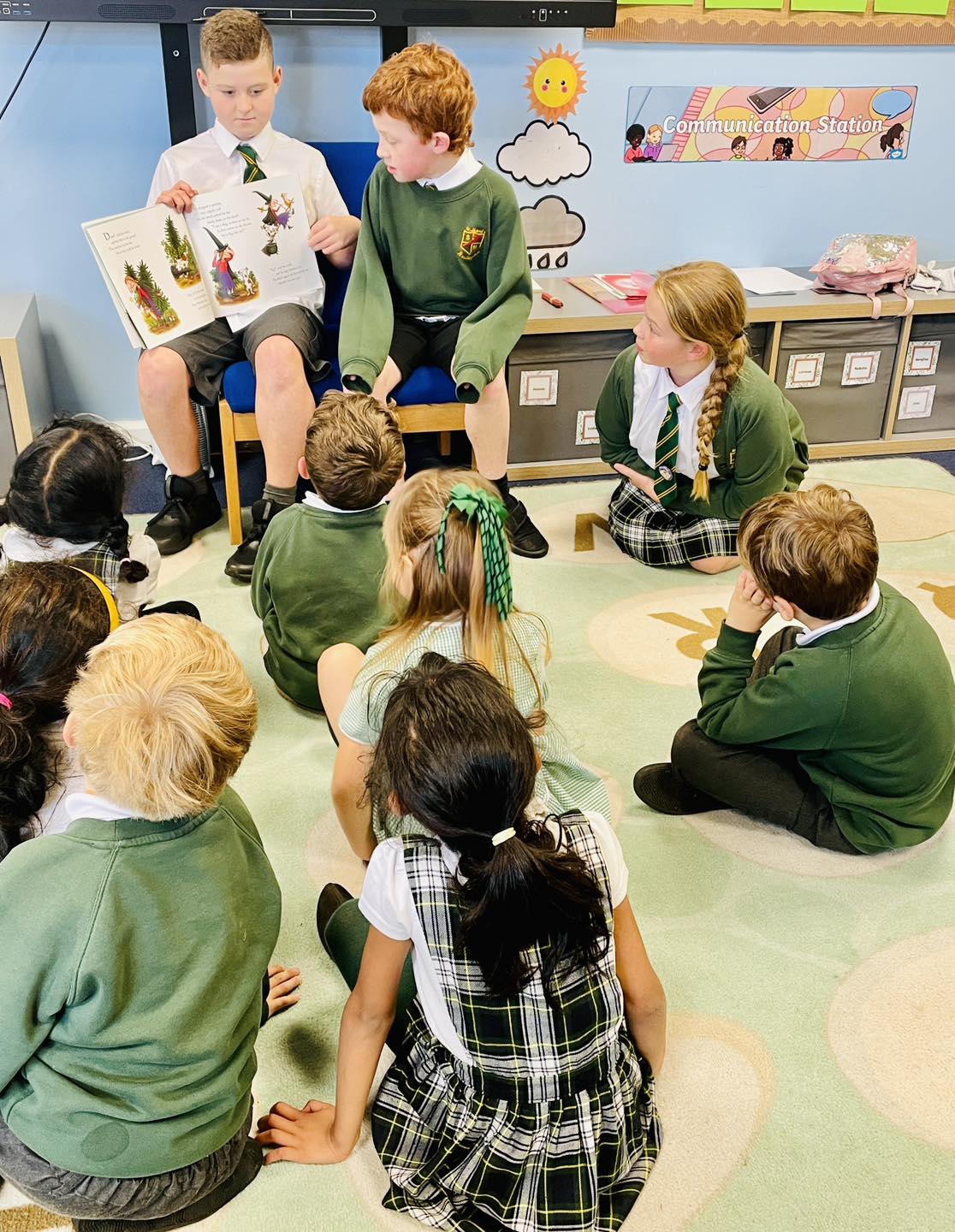
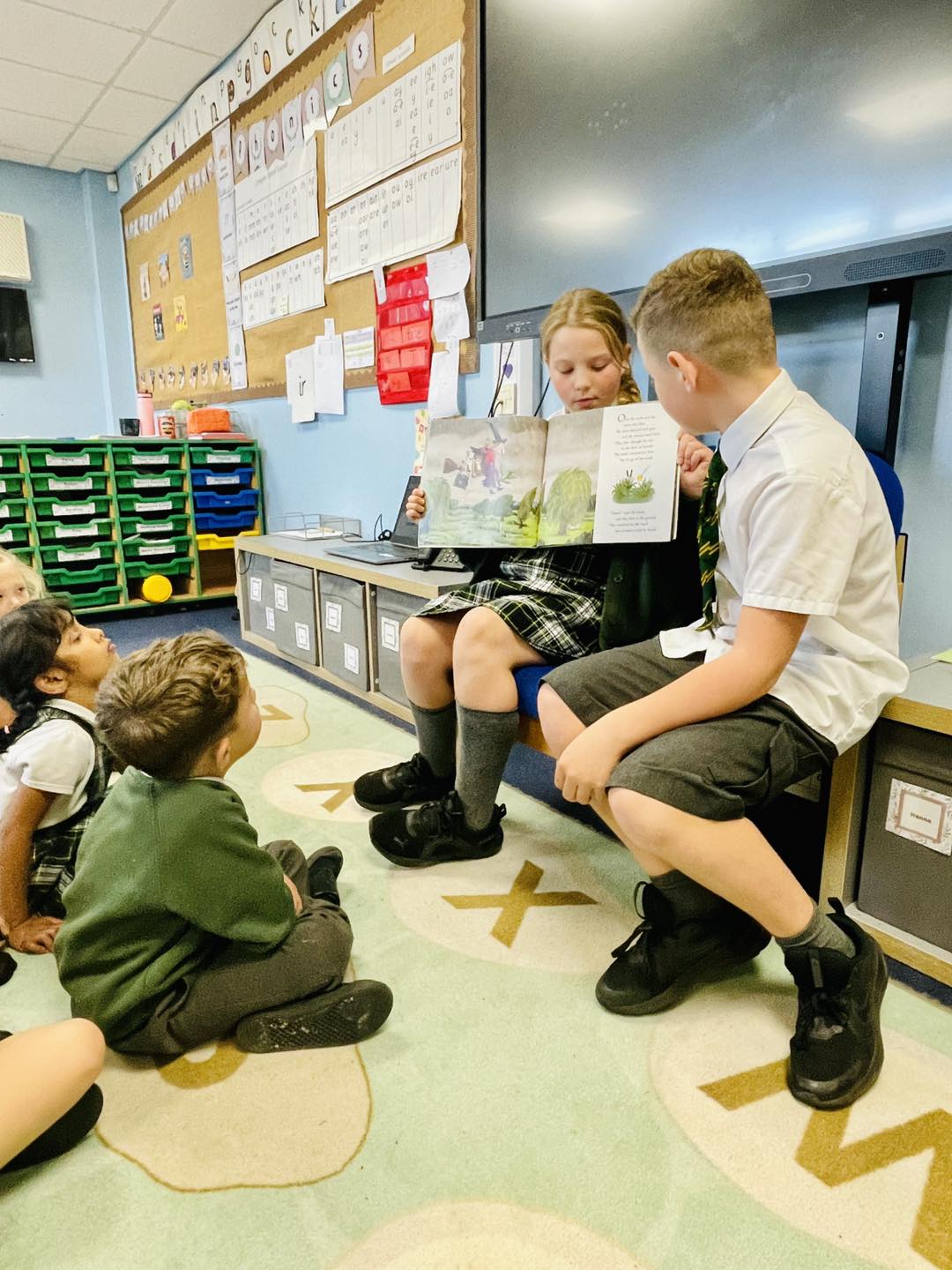
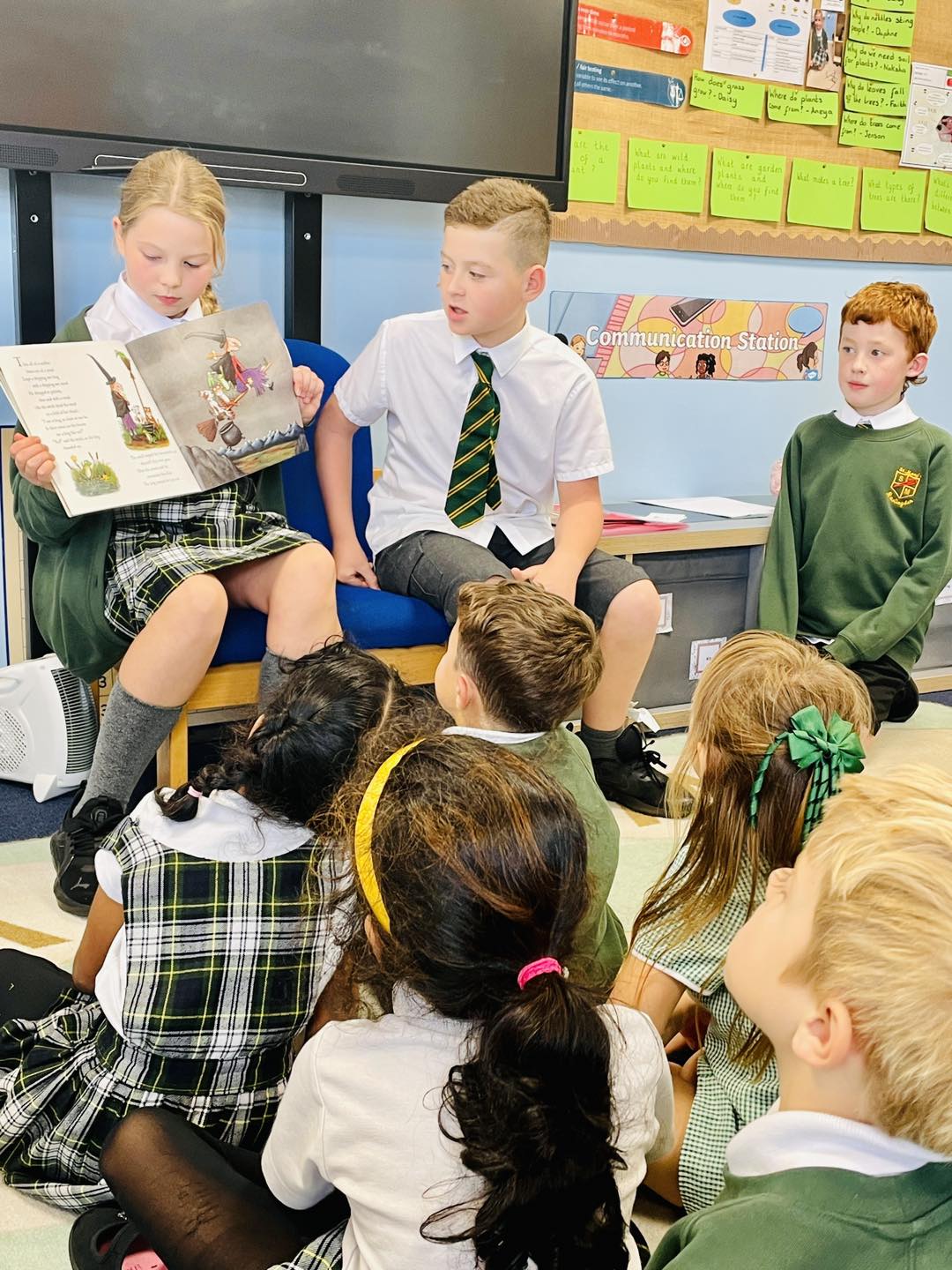
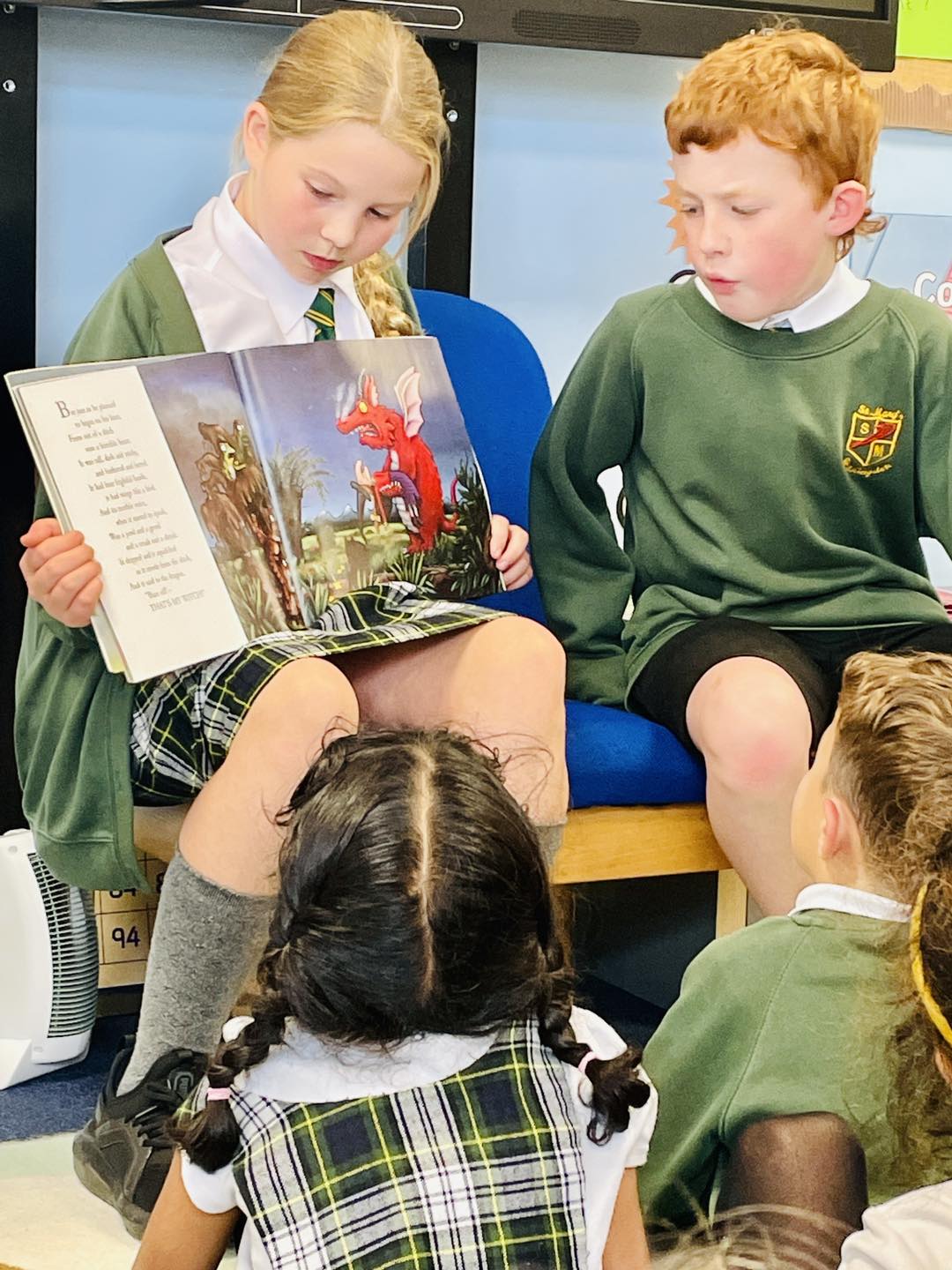
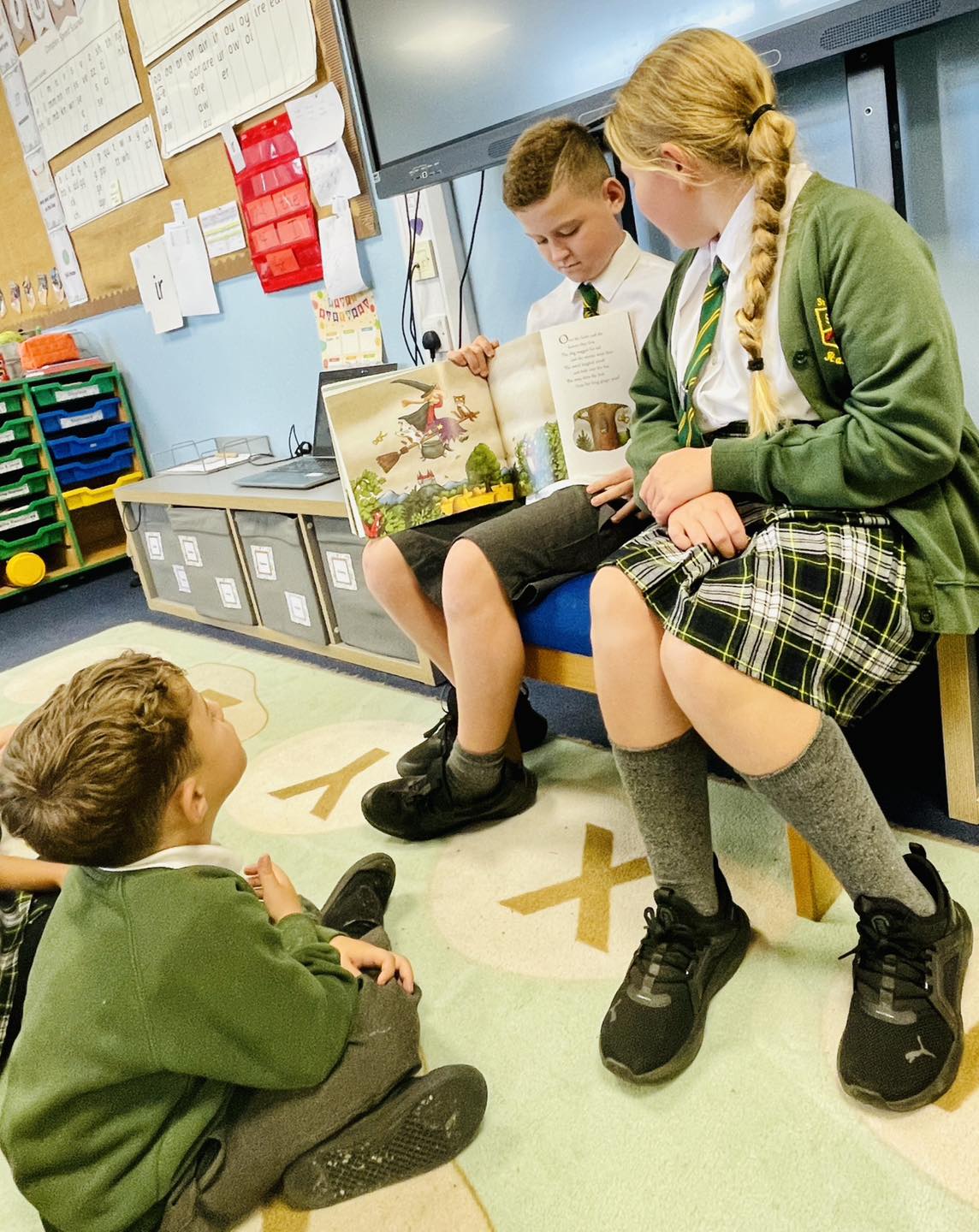
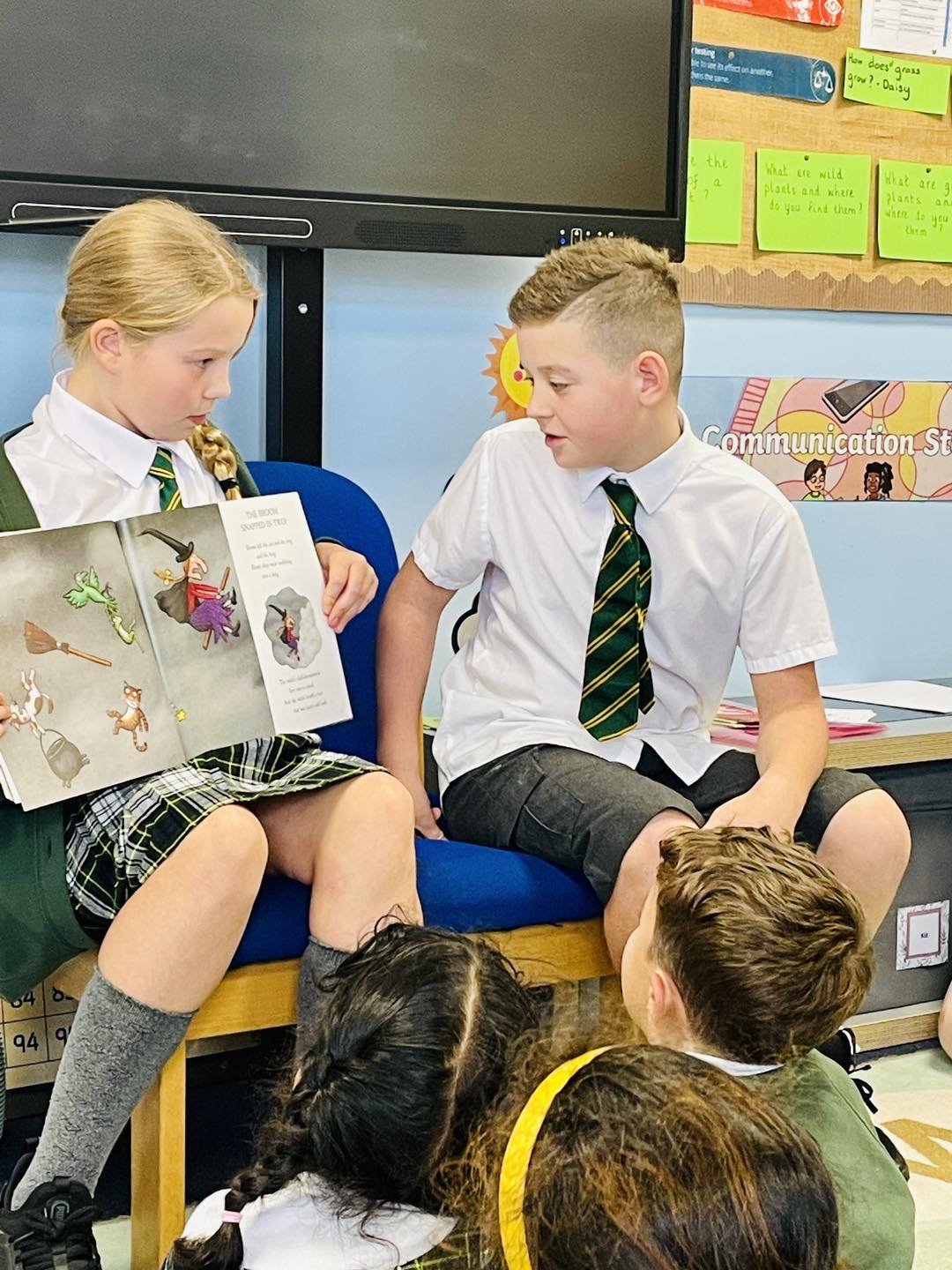
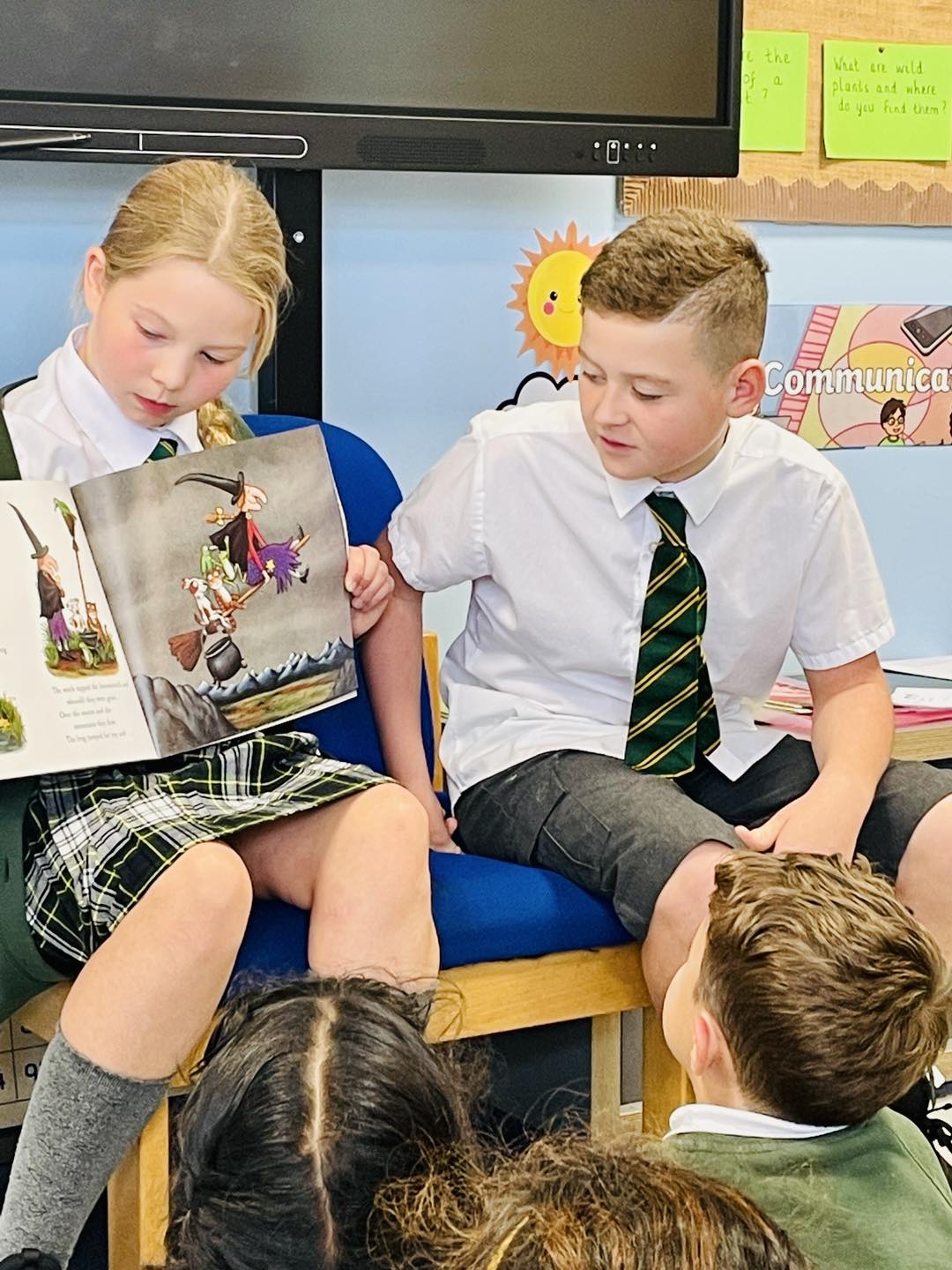
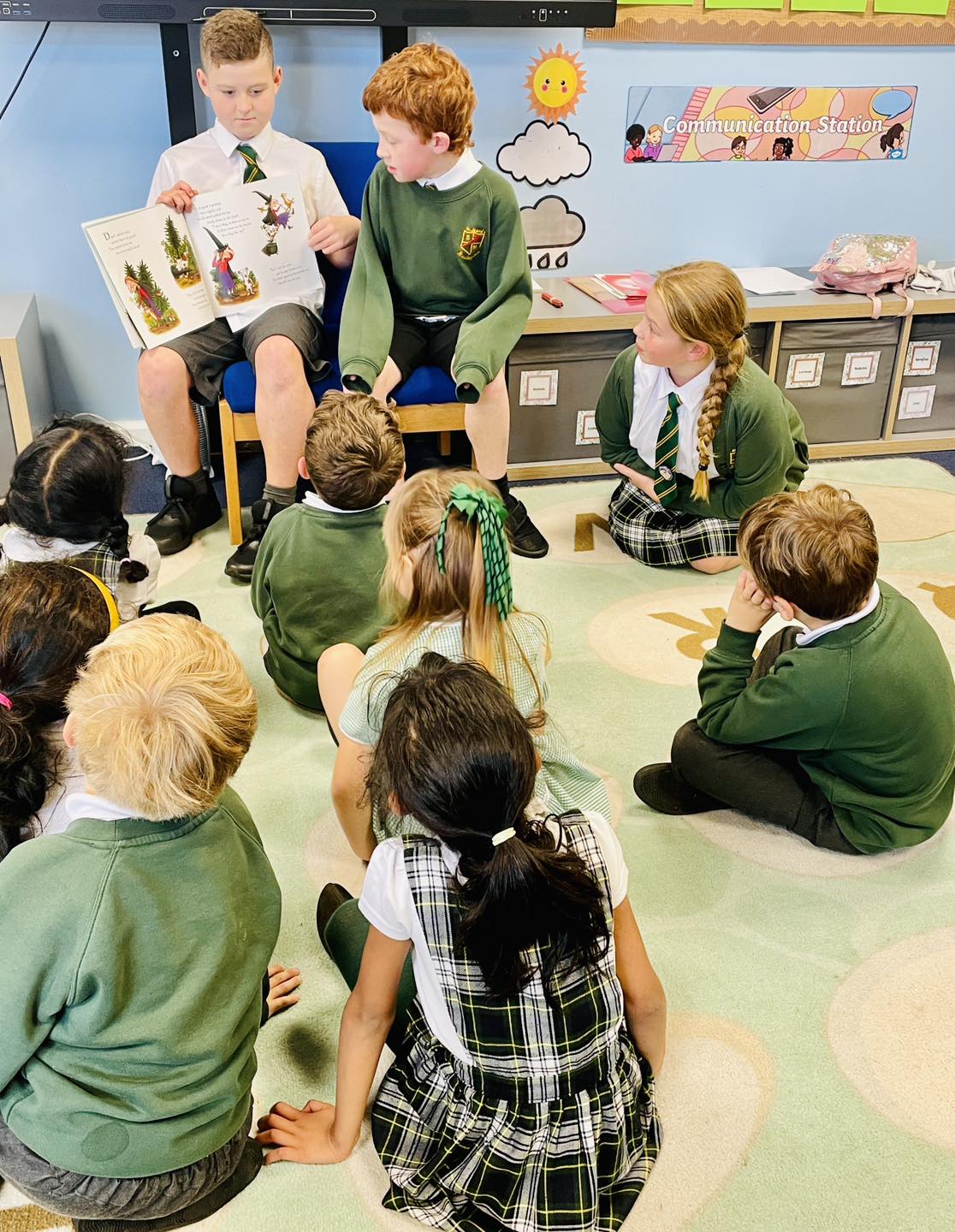
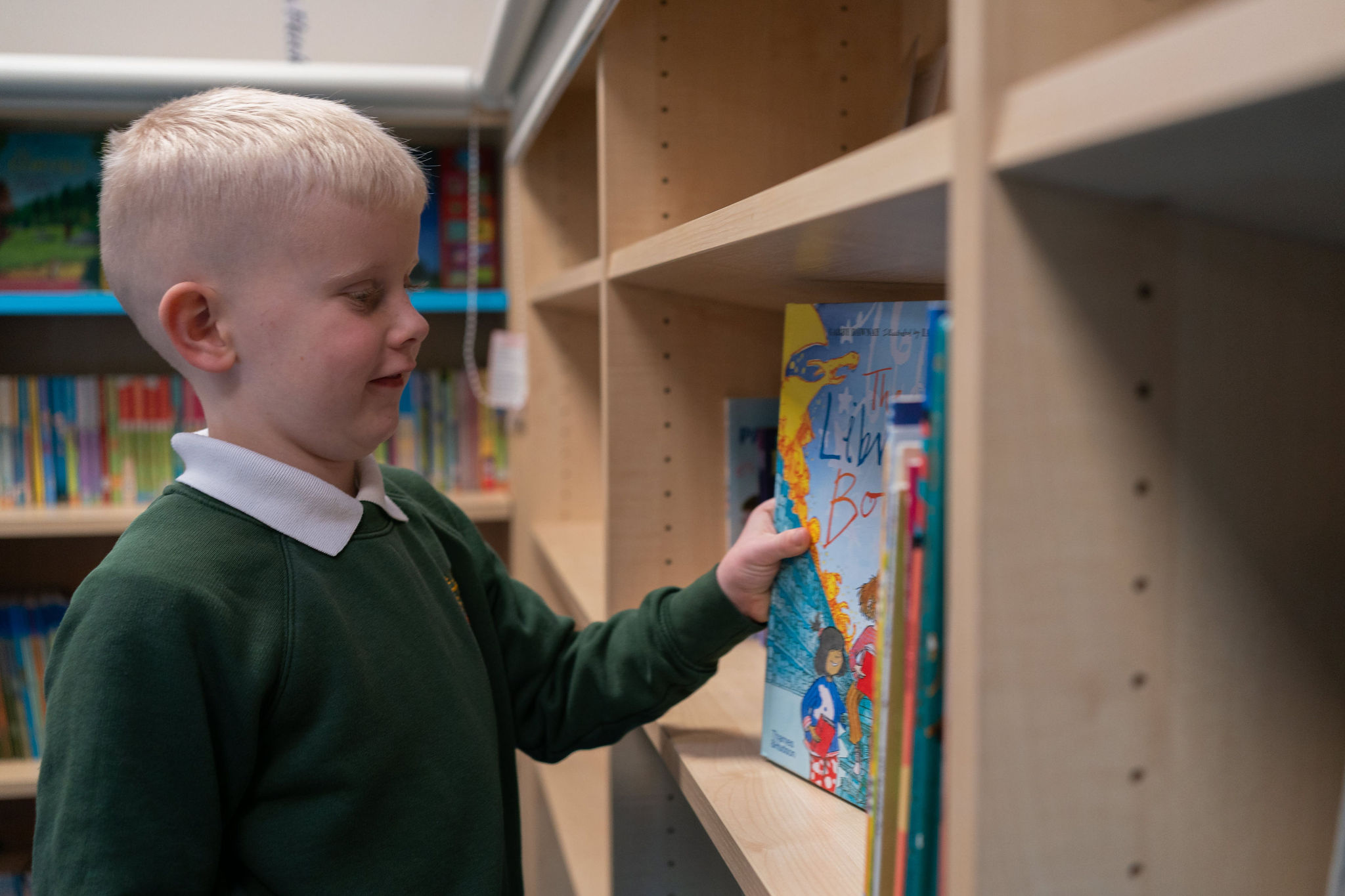
Great importance is placed on reading and developing in all of our children, that important, life-long love of reading. The teaching of English at St. Mary’s places children’s literature at its core. Children build a literary repertoire; exploring a range of literary texts and developing a knowledge of significant authors as they move throughout the school.
The use of high-quality literature is important at St. Mary’s . We believe it expands horizons, opening minds to concepts and themes such as love, war and justice to develop a sense of empathy, as well as providing vital insights into historical settings with geographical and scientific knowledge woven within as part of the narrative.
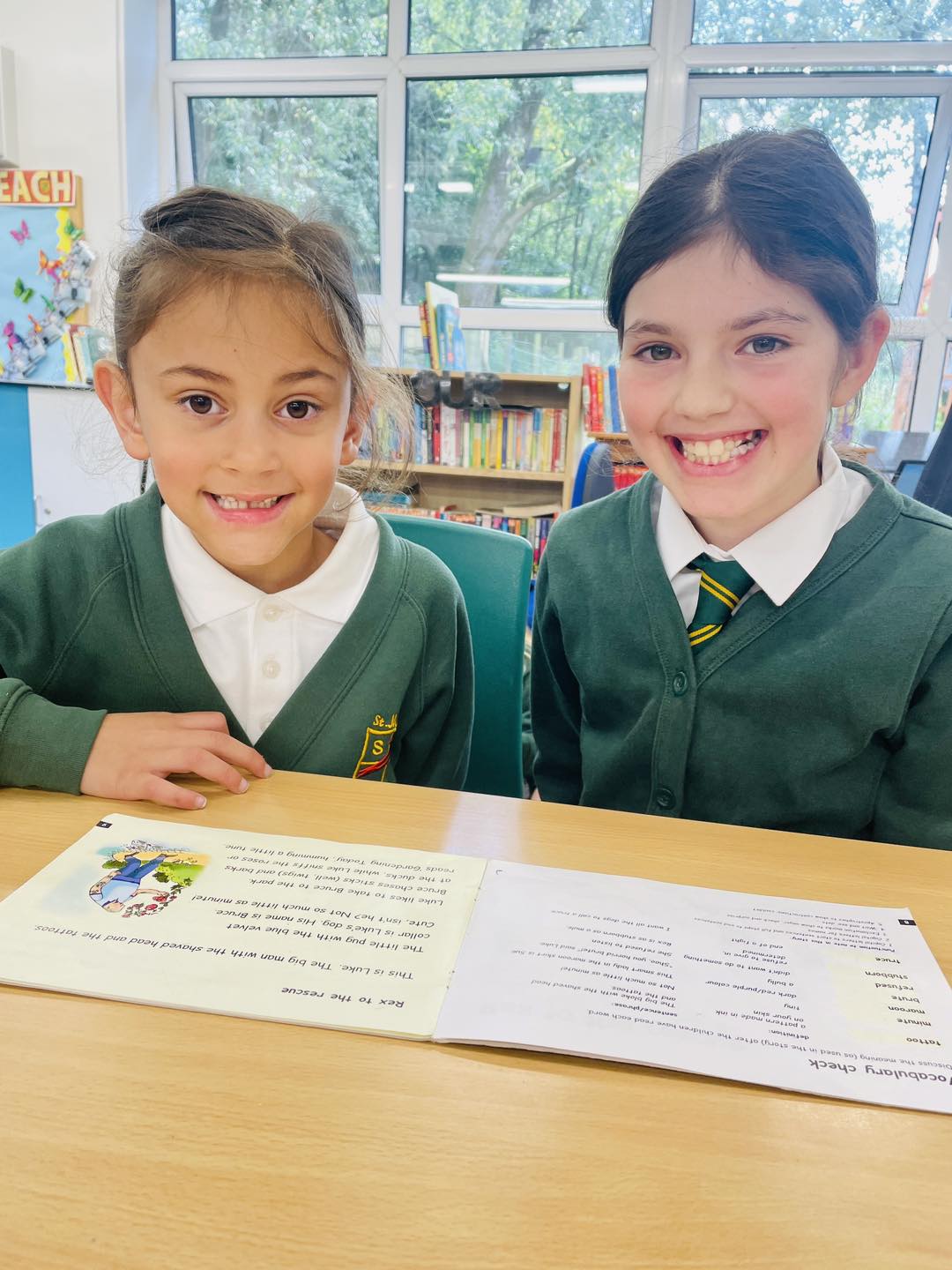
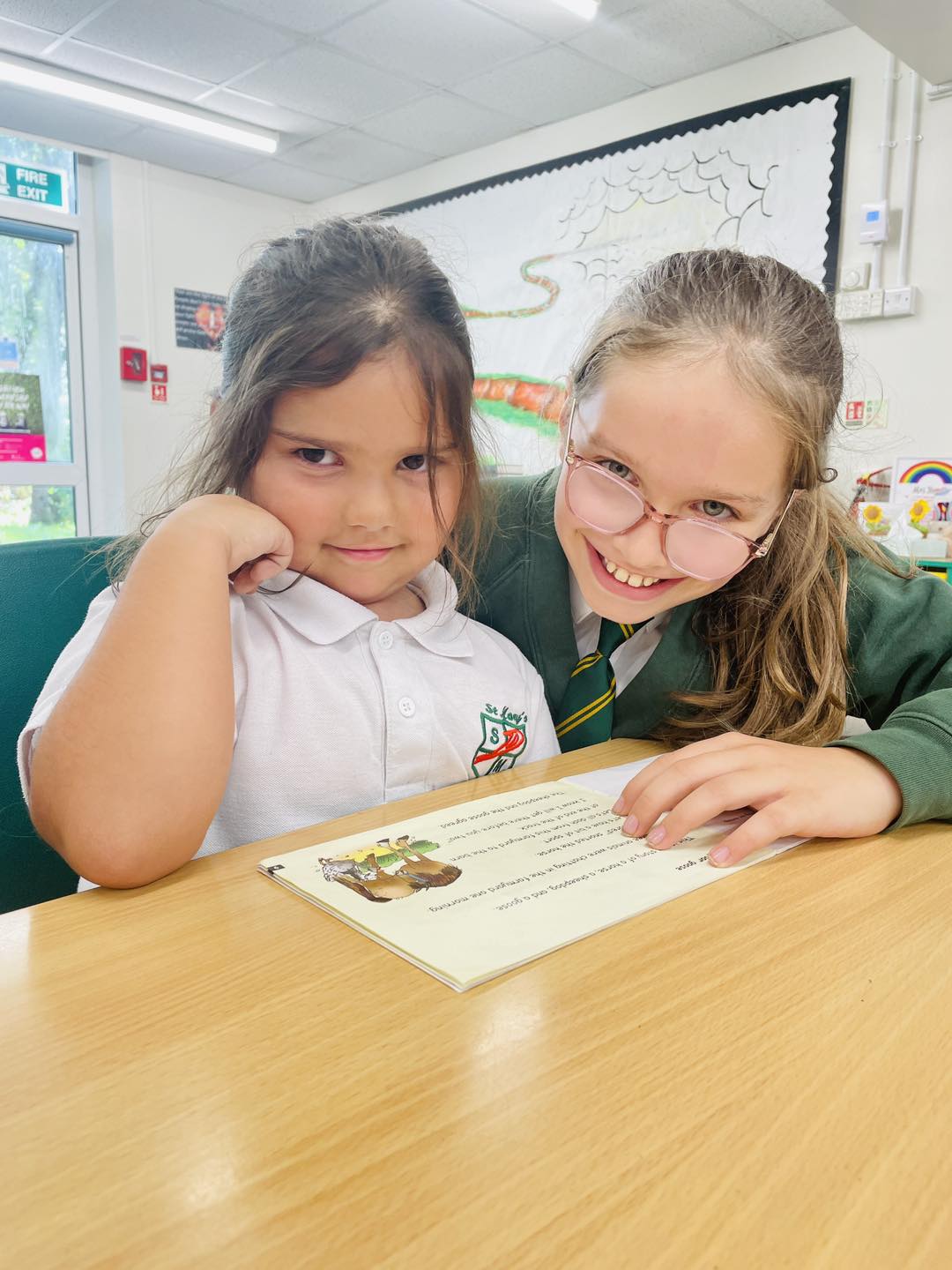
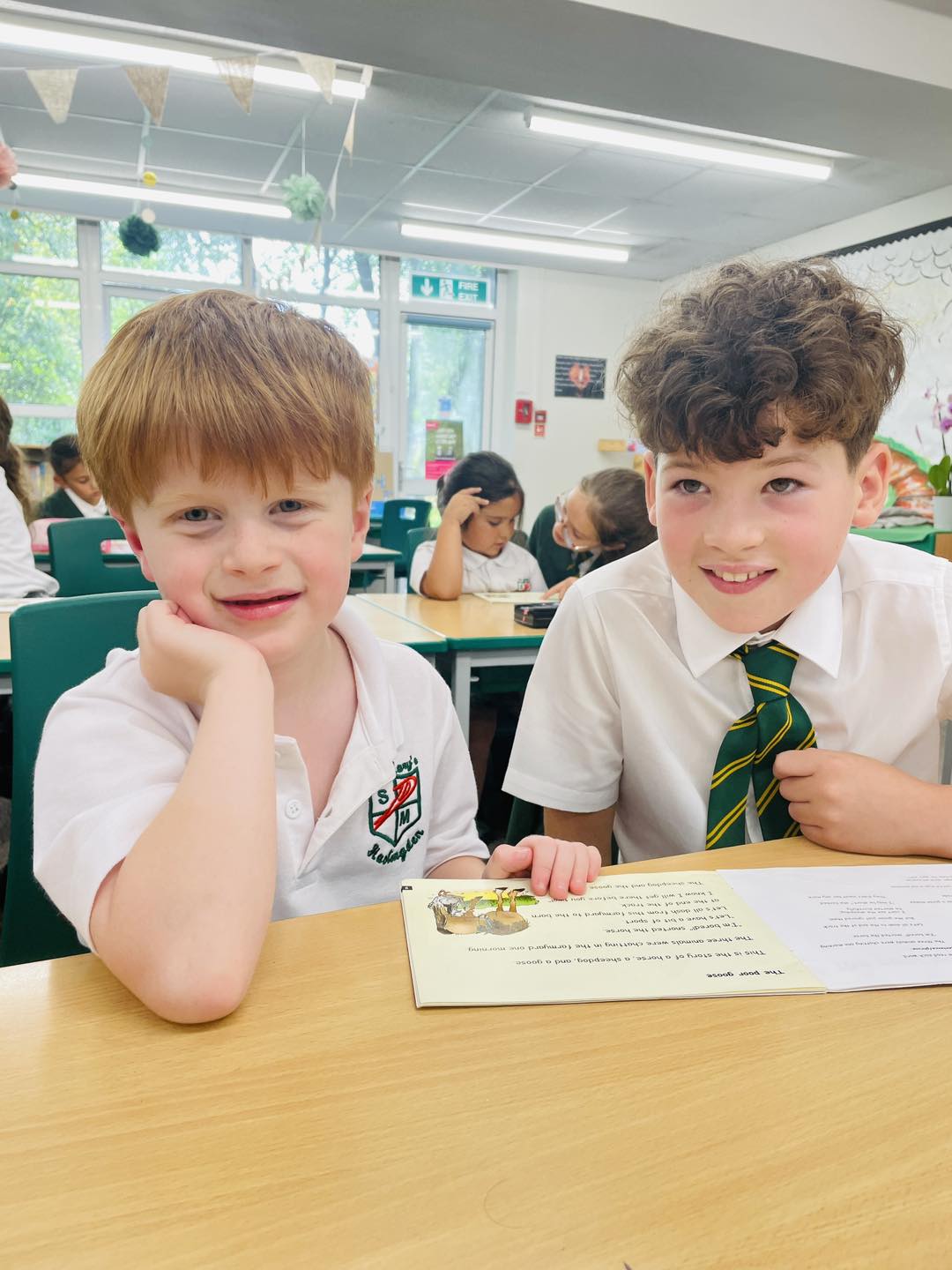
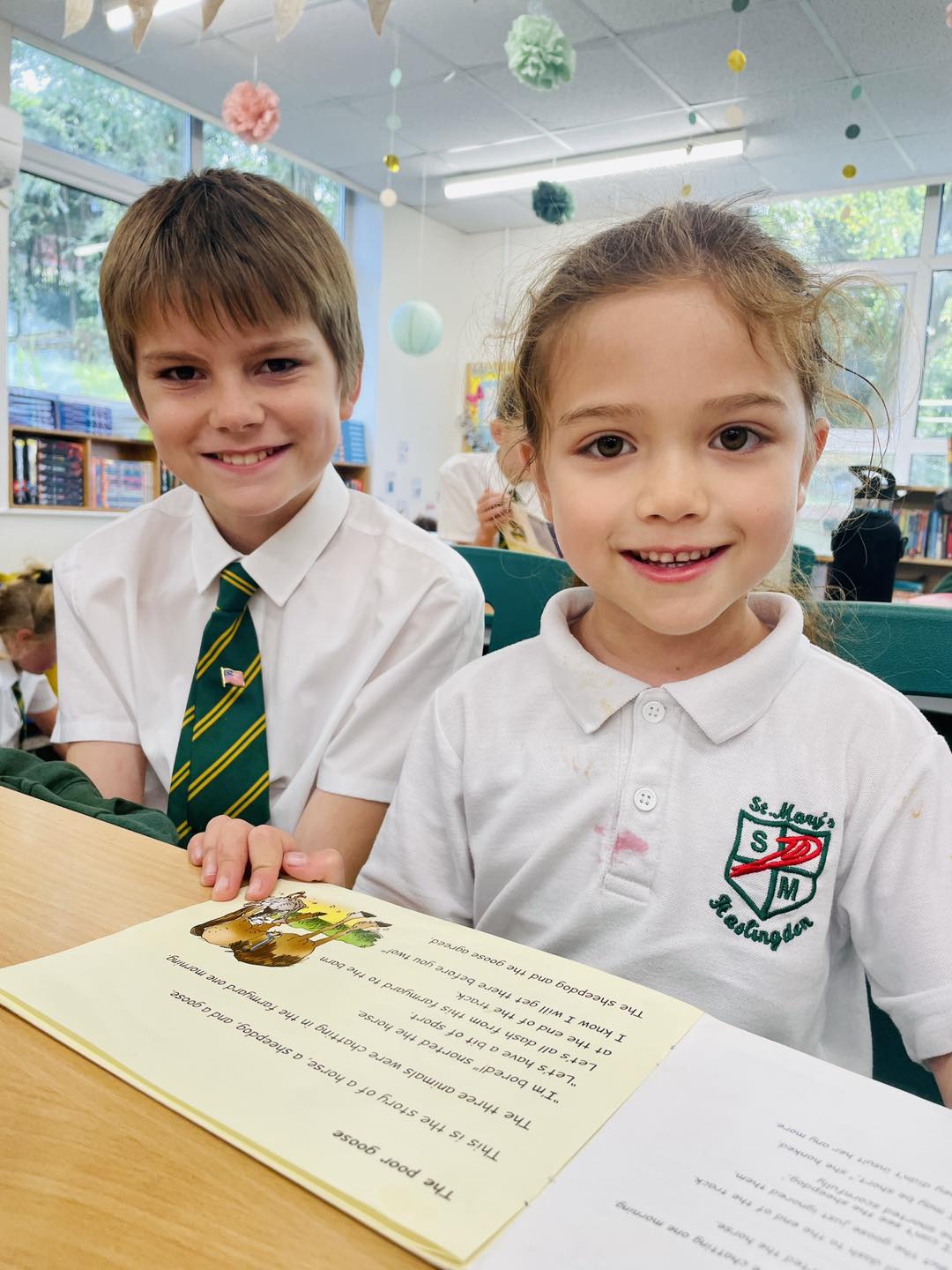
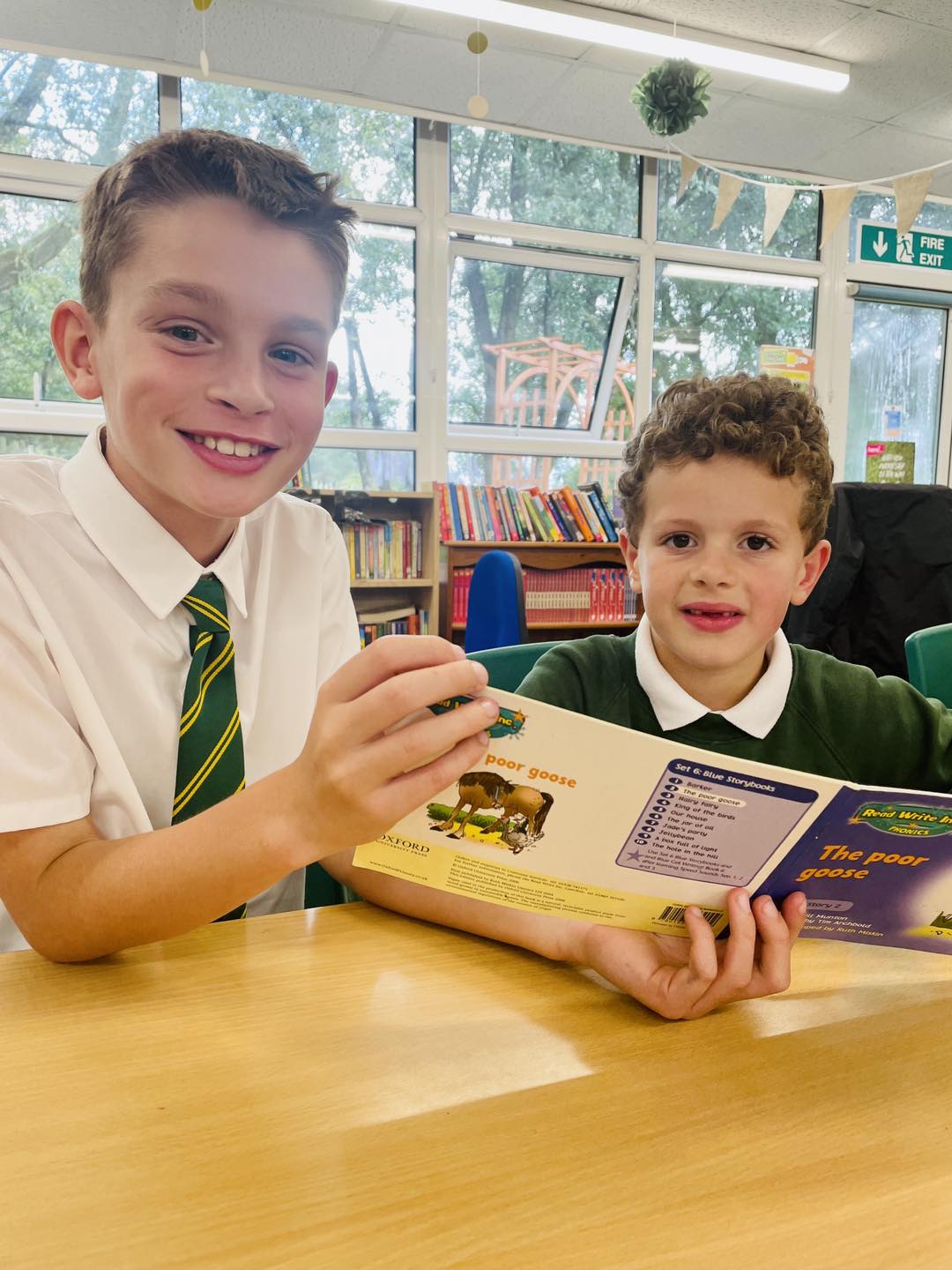
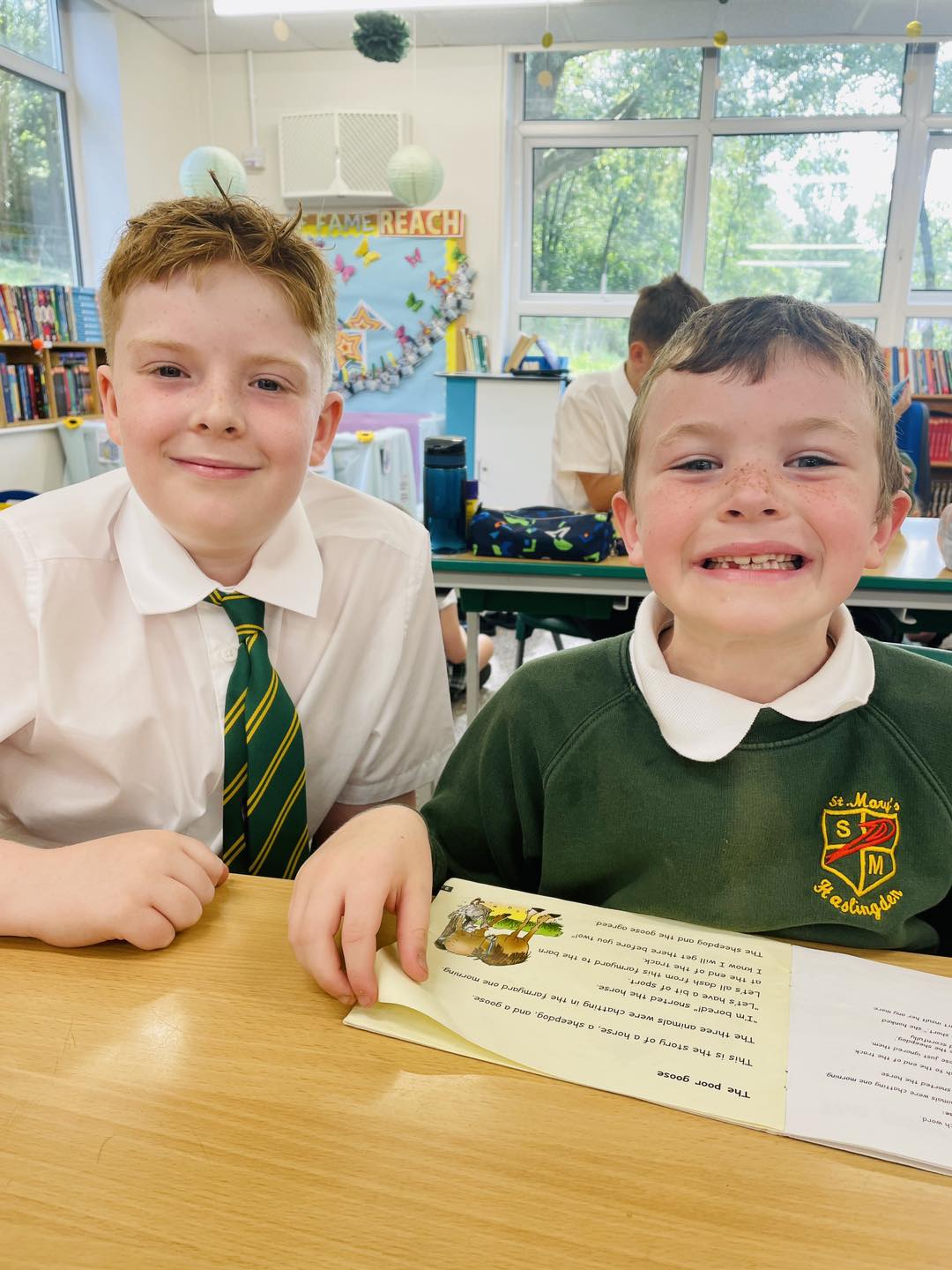
A rigorous and sequential approach to the reading curriculum develops pupils’ fluency, confidence and enjoyment in reading. Reading is taught initially via high quality and pacy daily phonics sessions following the ‘Read, Write, Inc’ scheme.
This includes teaching synthetic phonics, sight vocabulary, decoding and encoding words as well as spelling and accurate letter formation.
We passionately believe that teaching children to read and write independently are the core purposes of our school. These fundamental skills not only hold the keys to the rest of the curriculum, but also have a huge impact on children’s self-esteem and future life chances. With reading at the heart of our curriculum, we believe that we are providing our children with the tools to develop a love of reading and ultimately be independent and inquisitive learners.
Using the RWI phonics program we teach children to:
- Read accurately, fluently and with good understanding
- Develop the habit of reading widely and often, for both pleasure and information
- Write clearly, accurately and coherently, adapting their language and style in and for a range of contexts, purposes and audiences.
Children learn the 44 common sounds in the English language and are taught how to blend these sounds to decode (read) words. We start by teaching children to read and blend the first thirty Set 1 sounds. Once they have conquered this skill, they start reading stories and texts that have words made up of the sounds they know. This means that they can embed and apply their phonic knowledge and start to build their reading fluency. Once secure, children learn Set 2 and Set 3 sounds and then read texts with increasingly more complex sounds and graphemes. Throughout this process there is a focus on comprehension, reading with expression and reading for enjoyment.
Children are taught in small groups which reflect their phonic knowledge and reading fluency. We regularly assess children so that they are taught in a RWI group which matches their phonic knowledge. We make sure that pupils read books that are closely matched to their increasing knowledge of phonics and ability to read ‘tricky words’; so they experience early reading success and gain confidence that they are readers.
The use of a synthetic phonics programme gives children a flying start with their reading, writing and spelling. It is an effective tool to ensure children ‘keep-up’ rather than ‘catch-up.’ The development of children’s phonic knowledge is embedded to also support a child’s writing skills. With regular assessments, we ensure we meet the needs of all pupils. The progress of each child is closely monitored and tracked and parents/carers are regularly updated in regards to their child’s learning. This results in a high percentage of children meeting or exceeding the Early Learning Goal for Reading at the end of Reception and the Phonic Screening Check in Year One.
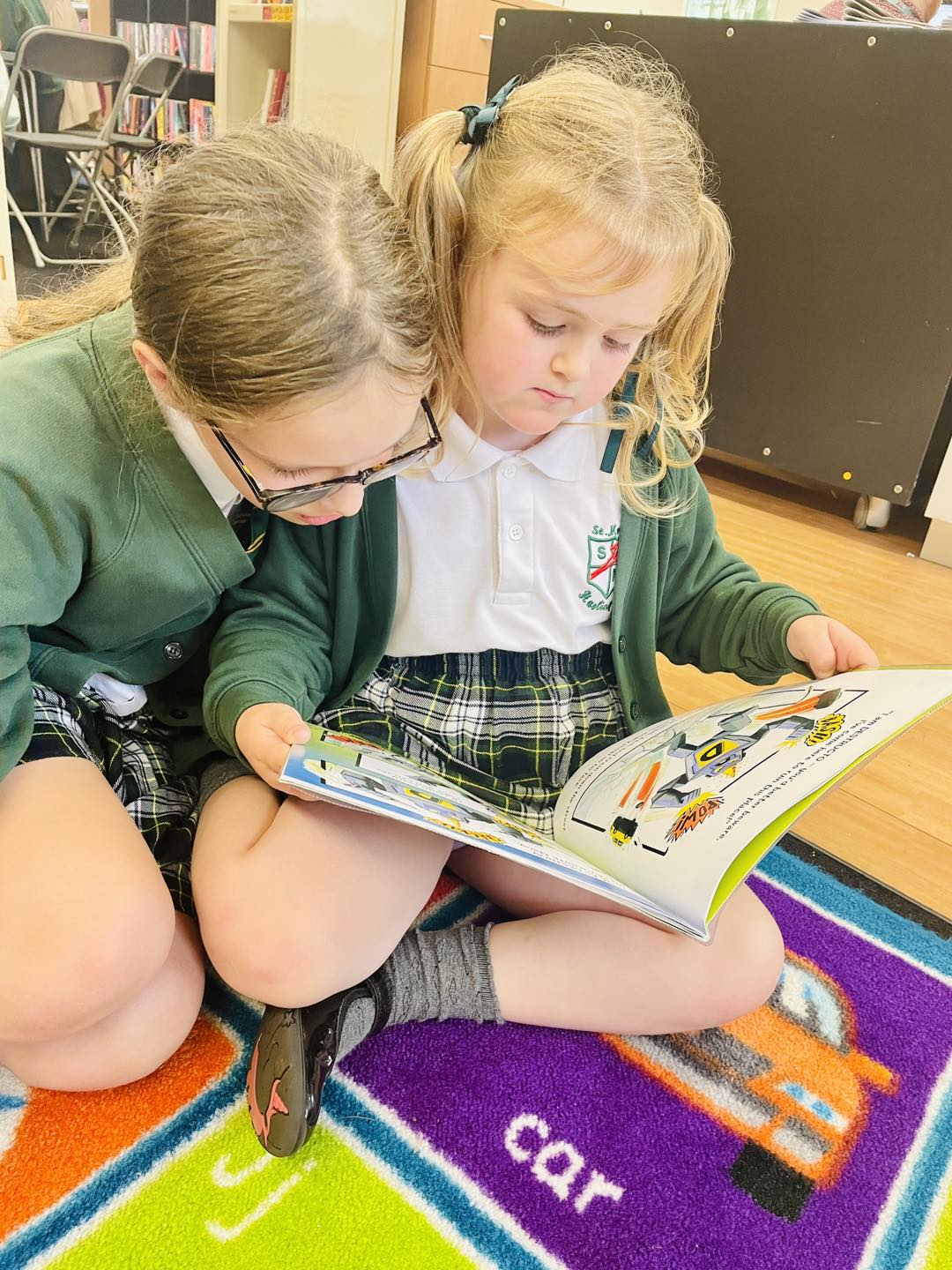
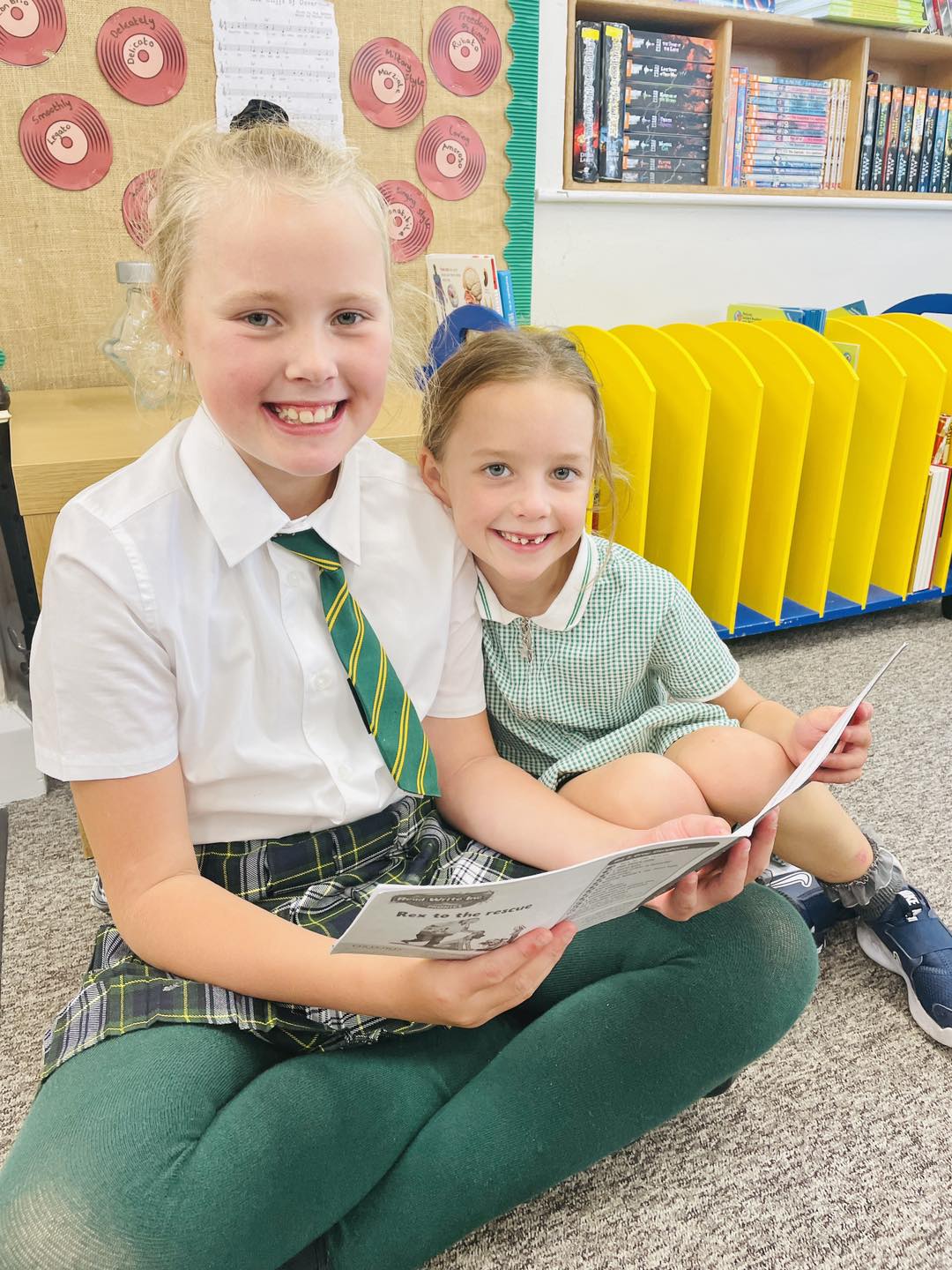
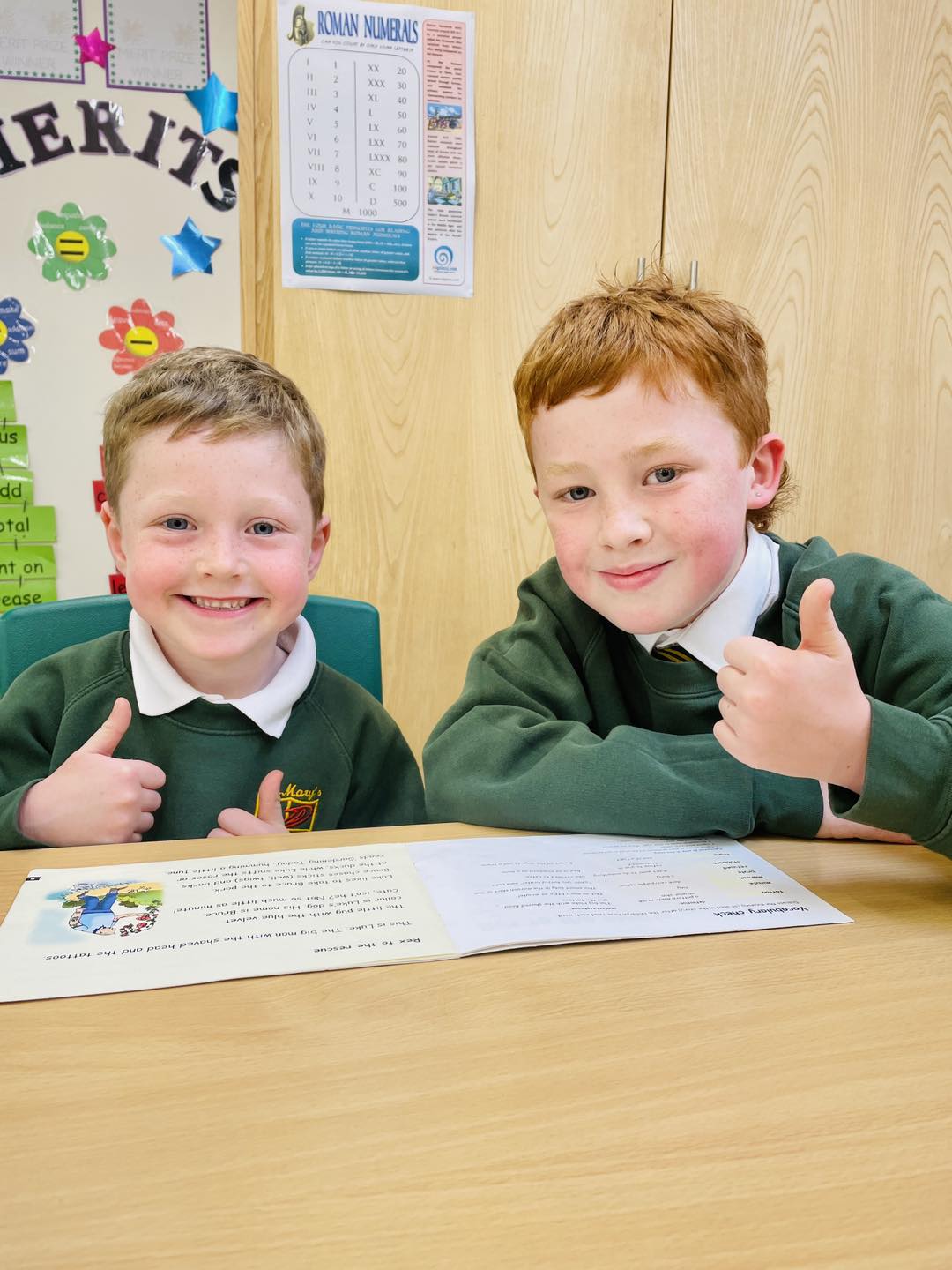
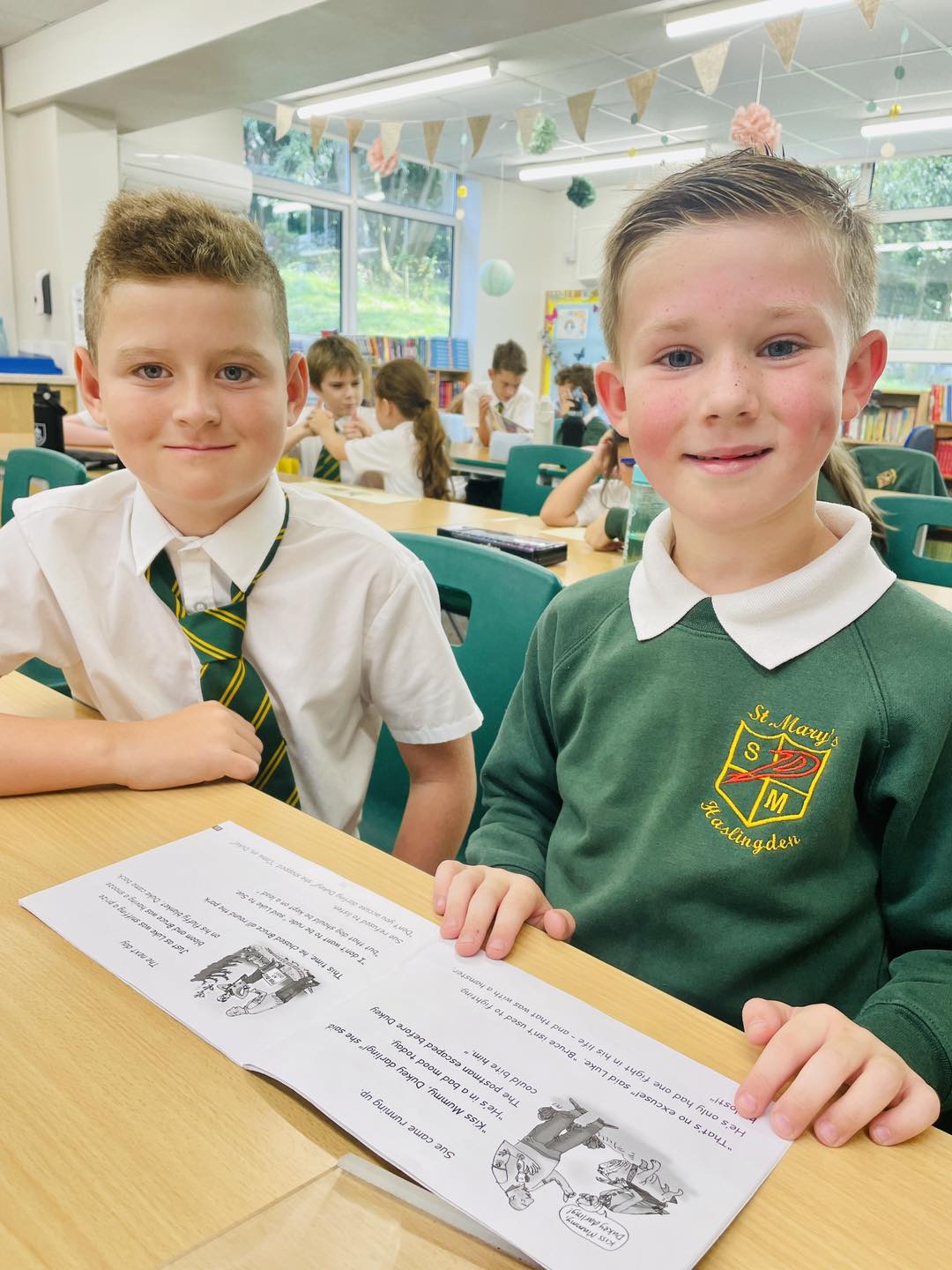
There is a sharp focus on ensuring that younger children gain phonics knowledge and language comprehension necessary to read, and the skills to communicate, giving them the foundations for future learning. Children are taught to read through phonetically decodable reading books supported by daily high-quality phonics lessons. Books from the Read, Write Inc used for home readers at KS1. In KS2, a variety of reading schemes are used in school including Oxford Reading Tree, Oxford Project X, Collins Big Cat and well-known, popular novels.
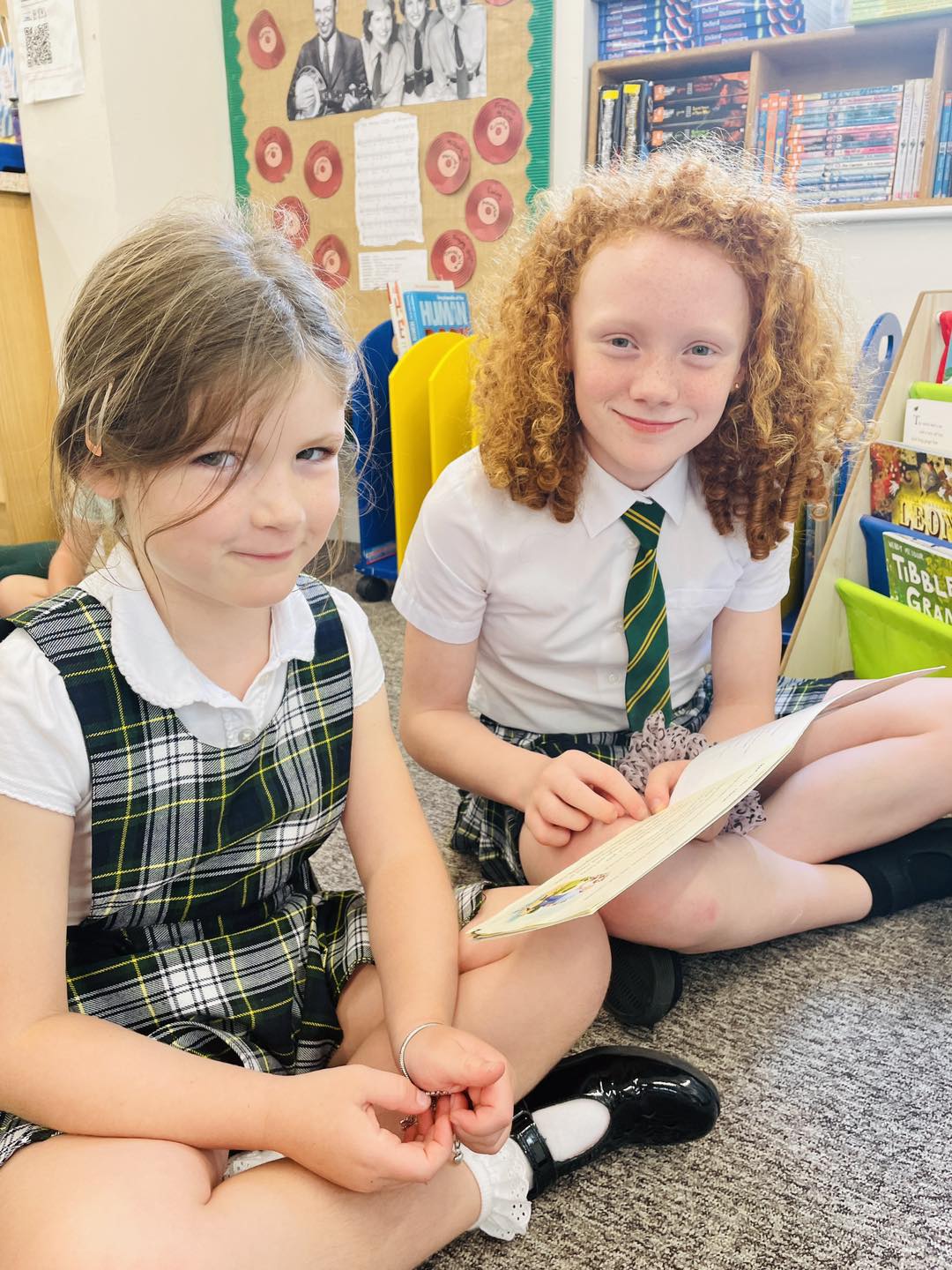
Children take part in whole class reading of age appropriate, stimulating, challenging texts to develop their vocabulary and continue to build on their reading and comprehension skills whilst fostering that all important love of reading. Children are immersed in high quality texts through highly effective questioning based on focused reading domains to develop their skills of prediction, inference, retrieval, sequencing , authorial choice and understanding vocabulary. Guided reading sessions take place in all year groups and for Reception from when children and are able to blend.
In 2019, we introduced Accelerated Reader- an online platform that provides quizzes to check children’s underdstanding of the books they have read and supports children in making choices for further books to read, This runs from Year 2 up to Year 6.
If you want to know more about Accelerated Reader you can follow this link
How you can help at home
- Read to them and always discuss the story you are reading to try to build your child’s comprehension skills, inference and understanding.
- Practice the sounds they know at home. These are the sounds in the Speed Sound Chart at the start of the storybooks.
- Listen to your child read, both their RWI storybook and other storybooks, every day. Make sure that your child brings their RWI Storybook into school every day!
- Talk to them! The most important thing you can do is to talk to your child and listen to them when they are talking to you. Try to extend their vocabulary range and their skill at talking in increasingly more complex sentences. For example, try to teach them alternative words for ideas, or nouns they already know.
- Look out for our RWI Workshops, where you can find out about how we teach phonics at St Mary’s so that you are best placed to support your child’s reading journey
- Make sure that they attend school every day, and that they are on time, as this will help your child to make the most progress.
- Visit the Parents section of the RWI website: RWI – Parents’ Portalfor more tips, techniques, videos and helpful hints
- Visit the Oxford Owl Reading at home pages: Oxford Owl Reading at homefor additional information.